Patients often ask, “Is Invisalign overpriced?” This is a fair question, especially when treatment costs can vary depending on individual needs and treatment complexity. Invisalign involves advanced digital planning, customised aligners, and professional supervision throughout the process. Understanding what you are paying for helps you make an informed choice about whether Invisalign is the right option for you.
The purpose of this discussion is not to criticise Invisalign but to explain the factors that influence its overall cost. Many patients are unaware that pricing reflects not just the aligners but also the professional care and technology involved. By understanding what is included, you can compare options clearly. This transparency supports realistic expectations about the quality and outcomes achievable through professional orthodontic care.
Summary of the Content:
- Invisalign treatment includes an initial consultation, digital scans, and custom-made clear aligners designed to gradually move teeth into alignment. A qualified dental practitioner supervises each stage of care to support precision and effective treatment outcomes.
- Regular dental checkups and refinements may be required to achieve the desired outcome. These reviews help track treatment progress and allow your dentist to make any necessary adjustments.
- Post-treatment retainers are essential for preserving alignment and preventing teeth from shifting. Patients receive guidance on caring for retainers and maintaining long-term oral health.
- Additional costs can arise from refinements, lost aligners, or extended treatment time. Understanding these factors helps patients plan for realistic expenses.
- Invisalign costs vary depending on case complexity, treatment duration, and the level of provider supervision. Each plan is tailored to individual needs, making a personalised quote essential.
- Patients are encouraged to seek professional advice and confirm health fund eligibility before starting treatment.
What Does Invisalign Really Include?
When considering Invisalign treatment, it is important to understand exactly what is included in your individual treatment plan. You should also be aware of how it differs from other orthodontic treatment options, such as traditional braces or other types of clear aligners. Below is a professional, transparent overview of what patients can typically expect when receiving Invisalign aligners under the care of a licensed dental practitioner.
- Initial Consultation:
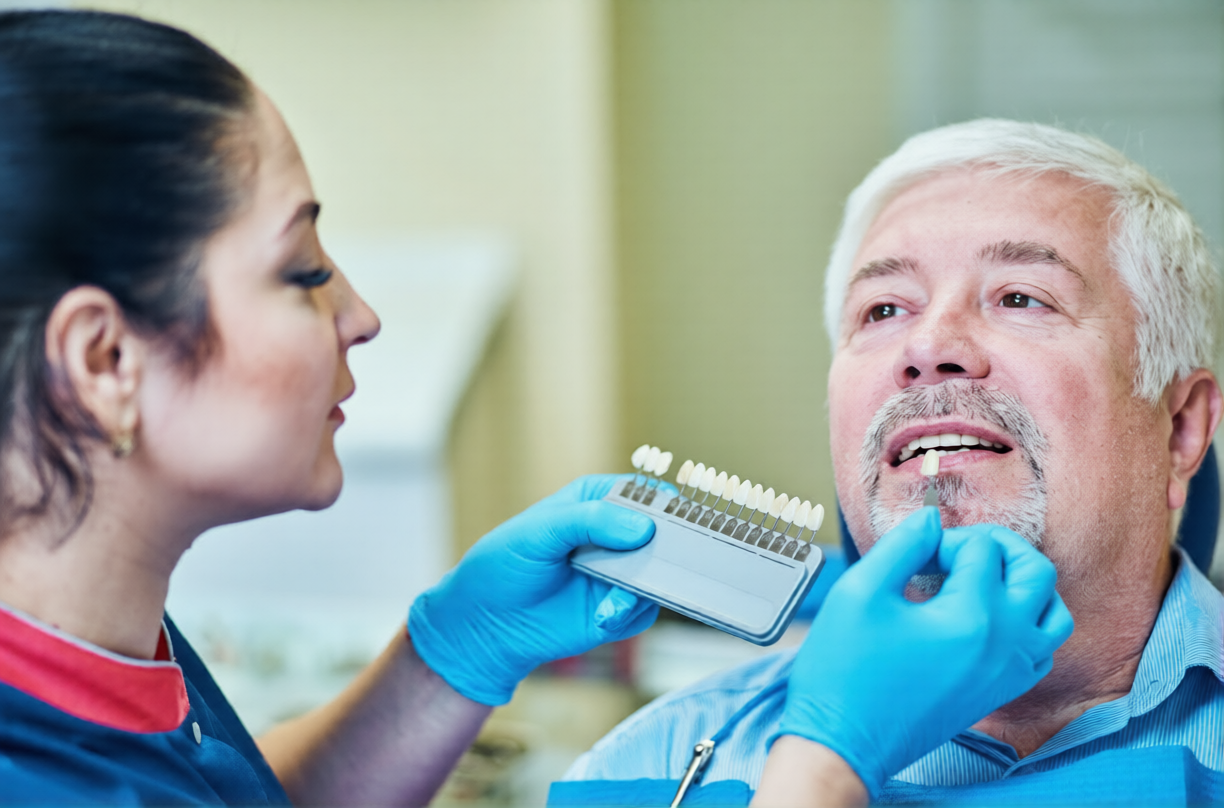
Your treatment begins with a professional orthodontic consultation, during which your dentist assesses your tooth alignment, bite, and overall oral hygiene. During this appointment, the dentist determines whether invisible braces or traditional braces are most appropriate for your dental needs. - Digital Scans and Treatment Planning:
Instead of taking physical impressions, Invisalign treatment usually involves digital scans of your teeth to create a 3D model. This model helps determine how many aligners will be required for your individual treatment plan. The expected treatment length varies on a case-by-case basis, depending on the extent of tooth misalignment and the level of alignment needed. - Custom-Made Clear Aligners:
You will receive a complete series of nearly invisible aligners designed to move your teeth into their proper positions. Each clear plastic aligner is worn for about two weeks before switching to the next, following your provider’s instructions for at-home biweekly changes or regular intervals. - Regular Checkups and Adjustments:
Although Invisalign aligners are a removable alternative to fixed braces, regular appointments are still essential. These reviews allow your dentist to track treatment progress, assess patient compliance, and evaluate whether your teeth straightening is proceeding as planned. - Refinements and Realignment:
Some teeth require additional adjustments, known as refinements, to achieve the desired position. This may involve additional aligners or minor realignment procedures. These are a normal part of orthodontic treatment and are usually included in the Invisalign cost estimate. - Post-Treatment Retainers:
Once your teeth are aligned, retainers are provided to maintain results and prevent tooth movement. These devices play an important role in maintaining your straightened teeth and preventing them from shifting out of position. The retainer phase also supports long-term oral hygiene by making brushing and flossing easier than with traditional braces. - Support and Maintenance:
Your Invisalign treatment generally includes follow-up support to help you maintain a healthier smile and manage any tooth sensitivity or discomfort. Dental practitioners often discuss payment options or flexible monthly payment plans to help you understand all potential added costs and inclusions.
Understanding what is included in Invisalign treatment helps you understand your treatment options before proceeding with orthodontic care. Each treatment plan is tailored to your specific needs, so your dental provider can give a more accurate estimate during the consultation. Always seek professional advice from a licensed dental practitioner to determine whether clear aligners are the right treatment option for you.
What Hidden Costs Should You Watch for?
Understanding the hidden costs is an important part of making an informed choice when considering clear aligner therapy. Many people ask, “Is Invisalign overpriced?”—but the real question is whether you fully understand what your Invisalign treatment includes and what additional expenses might arise during your orthodontic care.
- Attachments and Buttons:
Some Invisalign treatments require small, tooth-coloured attachments or buttons that help the clear aligners move teeth more effectively. These attachments are custom-made and bonded to the actual teeth, allowing the aligners to grip better and apply consistent pressure for proper tooth alignment. While they are part of standard orthodontic treatment, there may be a small additional cost for their placement or replacement if one becomes loose during treatment. - Refinements or Mid-Treatment Adjustments:
Depending on how your teeth respond to movement, refinements—additional sets of aligners ordered after assessing your progress—may be needed to achieve the desired position. Refinements are a common and necessary part of achieving accurate alignment, not an unexpected charge. The number of refinements, or the total number of aligners required, varies case by case. This can influence the overall Invisalign cost and treatment length compared to wearing traditional braces. - Retainers After Treatment:
Once the teeth have reached their final alignment, retainers are essential to keep them in place. These transparent plastic devices are designed to prevent realignment or shifting over time. Retainers are a standard part of every orthodontic treatment, including clear aligners and traditional metal braces, and often carry an additional fee. Using retainers helps maintain straighter teeth and supports better long-term oral hygiene. - Lost or Damaged Aligners:
It’s not uncommon for patients to misplace or damage an aligner. Because Invisalign aligners are removable and nearly invisible, they can occasionally be left behind or warped by hot water or food. Replacement aligners may incur an additional cost and slightly extend treatment time. Good oral hygiene and careful handling of your aligners can help prevent these issues. - Extended Treatment Time:
Some patients require extended time to complete their clear aligner treatment, particularly if aligners are not worn as prescribed or if teeth require more complex movement. If further aligners or appointments are needed to complete treatment, these may involve additional costs. Patient compliance—wearing your aligners for the recommended hours each day—is essential to keeping Invisalign cost and treatment time predictable. - Professional Monitoring and Adjustments:
Regular dental appointments are essential for orthodontic care. These visits help keep your progress aligned with the treatment plan and help prevent issues such as abnormal stress on the jaw or teeth. While these reviews are typically included in most treatment options, additional consultations for unexpected adjustments may increase the total cost.
Clear aligners may offer advantages—such as comfort, easier cleaning, and a removable alternative to traditional braces—but the total Invisalign cost can vary depending on individual needs. Understanding these standard variables helps you make the right decision based on your smile goals, patient compliance, and overall oral health. Always discuss your expectations and payment options during a consultation with your dentist to promote transparency and clarity from the start.
Why do Invisalign Costs Vary so Much?
Understanding why Invisalign costs vary can help patients understand their options and set realistic expectations about their orthodontic treatment. When people ask, “Is Invisalign overpriced?”, it is often because pricing can differ significantly between patients depending on clinical and personal factors. Below are the main reasons behind these variations.
- Case Complexity:
The degree of misaligned teeth or bite issues influences the Invisalign cost. More complex tooth alignment cases that involve overbite, overlapping, or spacing typically require additional aligners and longer treatment time. Simple cases with minor alignment needs may use fewer clear aligners, making them less costly. - Treatment Length:
Treatment time varies on a case-by-case basis, depending on how much movement the teeth require to reach their proper position. Some Invisalign treatments can be completed in as little as six to nine months, while more complex adjustments can take longer. Extended treatment time generally increases overall cost due to more frequent reviews and progress scans. - Number of Aligners Needed:
The total number of Invisalign aligners or clear plastic aligners used during treatment affects pricing. Each set of nearly invisible aligners is custom-made to move actual teeth at regular intervals. A higher number of aligners needed to achieve straighter teeth will naturally raise the price of clear aligners. - Provider’s Clinical Time and Skills:
Each Invisalign treatment is overseen by a licensed dental professional who assesses individual needs and monitors progress through regular appointments. The provider’s clinical time, orthodontic experience, and use of digital planning tools contribute to the overall Invisalign cost. A dentist’s ongoing supervision supports predictable tooth movement into alignment. - Customisation and Technology:
Invisalign aligners are designed using advanced digital scans and 3D modelling. This customisation helps align teeth accurately while minimising discomfort compared to wearing traditional braces or metal brackets. The use of sophisticated software and manufacturing processes increases overall treatment costs but also enhances predictability and comfort. - Retainers and Post-Treatment Care:
After completing Invisalign treatment, retainers are required to maintain the achieved alignment and prevent relapse. These retainers and any post-treatment reviews may add to the total Invisalign cost. Patients need to understand that this is a standard part of any orthodontic treatment to maintain long-term results. - Payment Plans and Flexibility:
Many Invisalign providers offer flexible monthly payment plans or other payment options to make treatment more accessible. These plans can spread the added cost over time, making it easier for patients to manage their investment in straighter teeth and better oral hygiene.
Invisalign cost is determined by clinical factors, including treatment complexity, the number of aligners, and the time required to achieve the desired tooth position. It is always advisable to seek professional advice and attend a consultation to receive a tailored and accurate quote suited to your orthodontic needs.
Is a Cheaper Aligner Brand a Better Deal?
Some patients explore alternative aligner options, such as SmileDirectClub and ClearCorrect, when comparing orthodontic treatments. SmileDirectClub presents itself as a direct-to-consumer (DTC) model with remote monitoring and limited in-person supervision. In contrast, ClearCorrect is provided through registered dental practitioners who assess suitability, fit, and progress in person. These clinical reviews help facilitate appropriate adjustments and a personalised approach to tooth movement.
Direct-to-consumer options may appear less expensive, but limited supervision can increase the risk of delayed or undesired results. Practitioner-led systems like ClearCorrect include professional planning and ongoing reviews tailored to individual oral health needs. The right choice depends on case complexity, desired outcomes, and the preferred level of clinical involvement. Patients should always seek personalised advice from a dentist before deciding on any aligner treatment.
Will Health Funds Cover Invisalign Treatment?
Some health funds may include limited cover for orthodontic treatments like Invisalign, but the amount varies depending on the individual policy. Patients should review their dental and orthodontic benefits to understand any applicable waiting periods or annual limits. Each fund has its own rules regarding what types of orthodontic treatment are eligible for contribution. It is advisable to confirm directly with the health fund before beginning treatment to avoid unexpected costs.
Invisalign treatment is generally classified as an orthodontic service rather than a cosmetic procedure, which can affect how health funds assess it. Patients are encouraged to request a detailed quote from their dental practitioner, including item numbers, to assist with enquiries. Health funds can then provide written information about any potential contributions based on the patient’s cover. This helps patients make well-informed choices about their orthodontic treatment and total financial responsibility.
How Can You Get an Accurate, All-Inclusive Quote?
Getting an accurate and all-inclusive Invisalign quote requires a personalised assessment, as every treatment plan is tailored to the individual’s unique dental needs and goals.
- Comprehensive Initial Consultation:
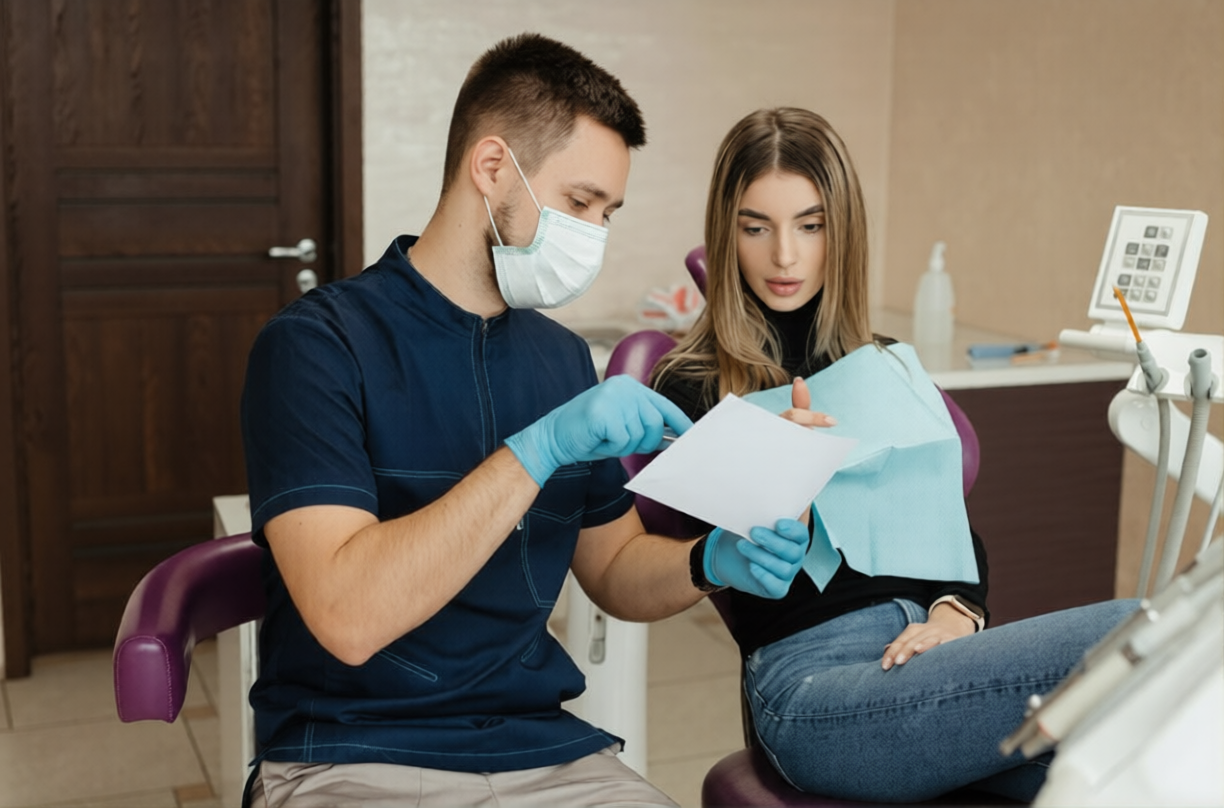
A qualified dental practitioner should conduct a detailed consultation that includes an oral examination, digital scans, and a discussion about your treatment goals. This process helps confirm that any cost estimate accurately reflects your dental condition and treatment requirements. - Assessment of Case Complexity:
The total cost depends on the complexity of tooth movement required; minor alignment adjustments are generally less intensive than comprehensive orthodontic adjustments. - Customised Treatment Planning:
Your dentist will create a customised treatment plan outlining the estimated number of aligners, review appointments, and any refinements or adjustments that may influence the overall cost. - Transparent Inclusions and Exclusions:
An accurate quote should clearly list what is included in the fee, such as consultations, aligner trays, and retainers. It should also specify any possible additional costs, such as lost aligners or extended treatment time. - Written Estimate for Clarity:
Requesting a written treatment plan and cost estimate clarifies what is covered before proceeding and supports an informed decision without unexpected expenses.
The most reliable way to receive an accurate, all-inclusive Invisalign quote is through a comprehensive in-person consultation with your dental practitioner.
Final Thoughts
Invisalign may be a suitable option for addressing tooth alignment, particularly for patients who prefer clear aligners over traditional braces. Each patient’s treatment plan is unique, and total expenses can vary depending on individual needs and adjustments during the process. Being informed about what is included in your quote helps you plan accurately and avoid unexpected costs. At Willeri Dental Parkwood, we prioritise transparency and provide every patient with clear information before beginning their Invisalign treatment.
Our dental team provides personalised consultations to discuss your goals, treatment options, and a detailed cost estimate tailored to your needs. We believe that informed decisions lead to better long-term results in your dental care. If you are considering Invisalign, a consultation is recommended to understand your options and the total investment. Contact us today to schedule your appointment and discuss your options for achieving improved tooth alignment.