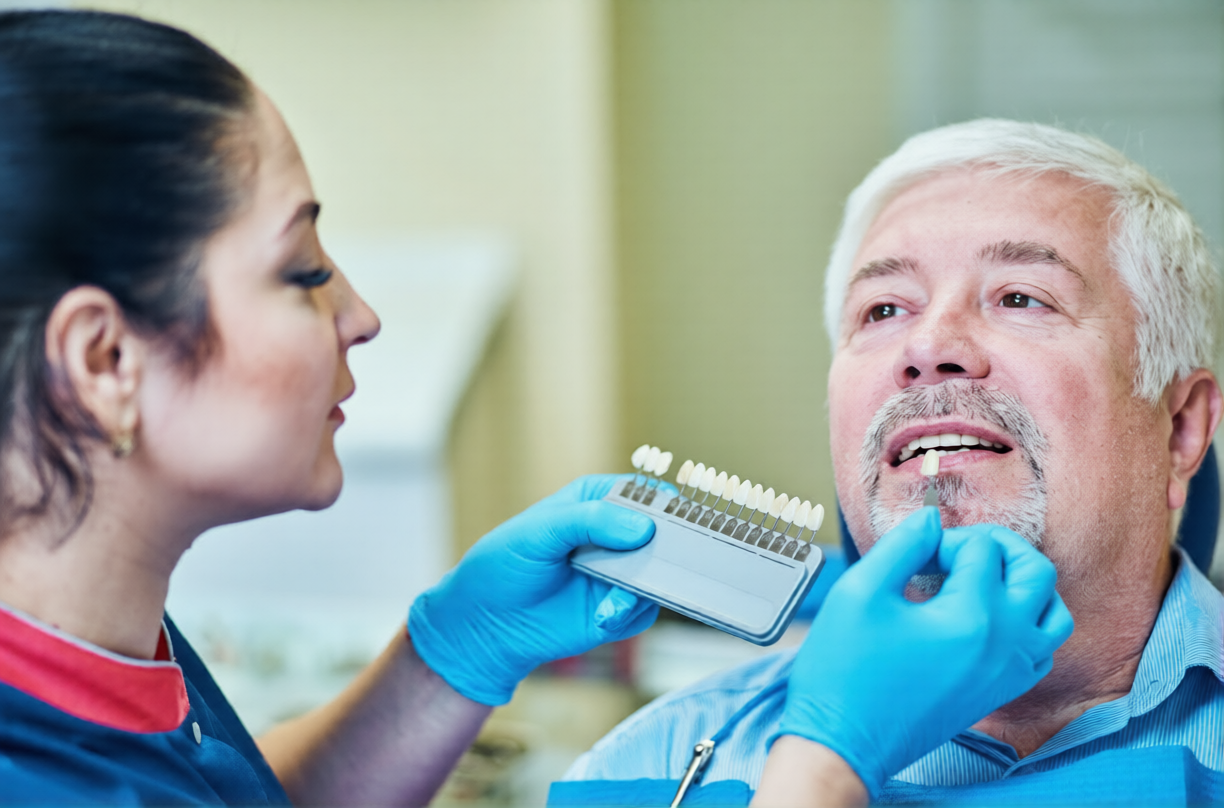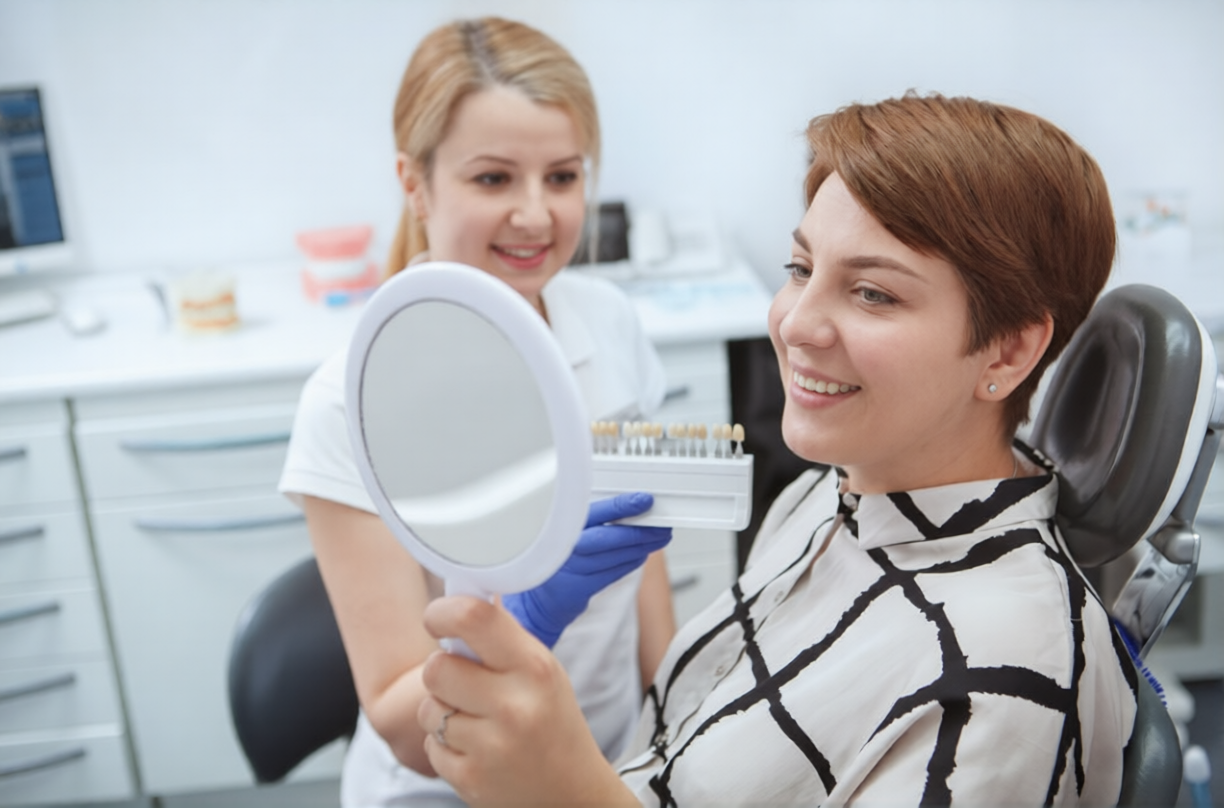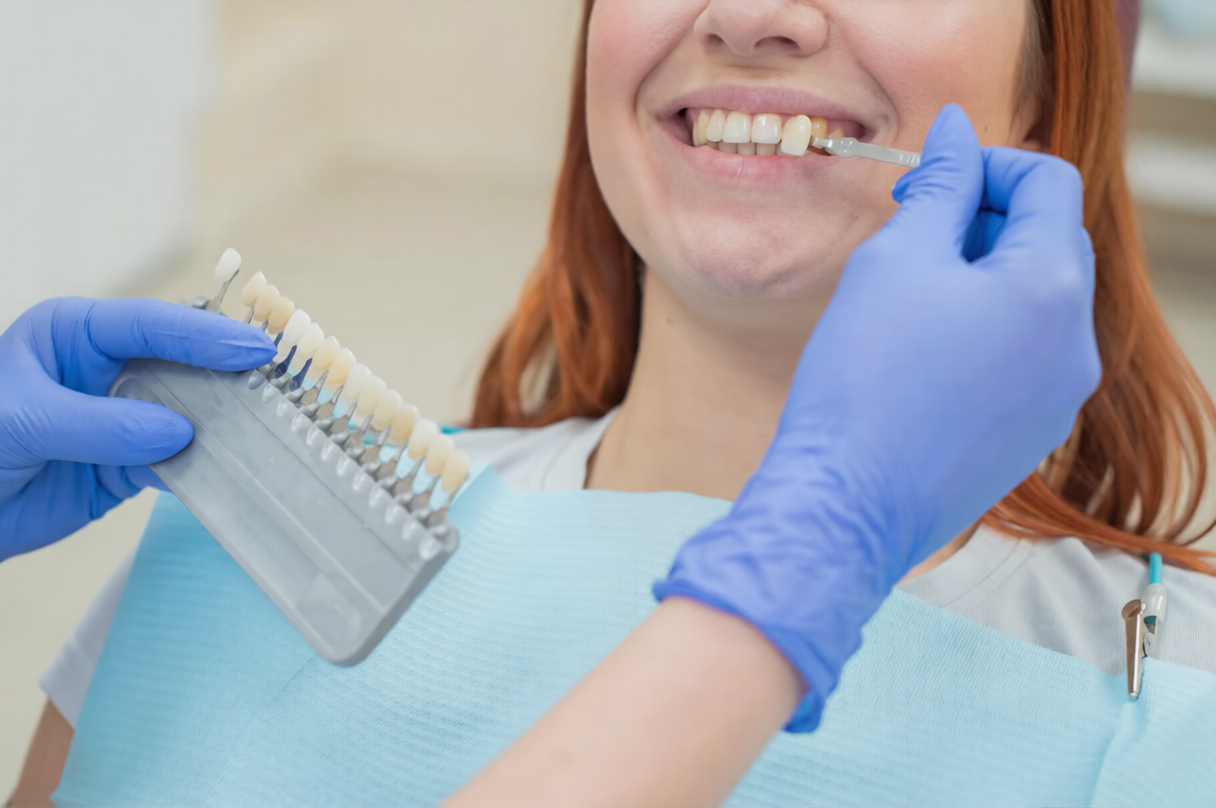
If you’re considering porcelain veneers in Perth, understanding the cost is likely one of your first questions. The cost includes consultation, preparation, fabrication, and ongoing care. At Willeri Dental in Parkwood, we believe in transparent pricing and helping you make informed choices about your oral health.
Porcelain veneers can address concerns such as discolouration, chips, minor misalignment, or worn enamel. While they’re commonly chosen for cosmetic improvements, they also provide functional benefits. This guide breaks down the porcelain veneers cost in Perth, explores what affects pricing, and explains the value this cost may offer over time.
Individual treatment costs may vary based on your specific needs, and a comprehensive quote can be provided during your consultation at Willeri Dental.
Summary of the Content:
- Porcelain veneers at Willeri Dental average $2,036 per tooth, with costs varying based on personal requirements.
- This guide explores factors affecting veneer cost, including the number of veneers needed, material quality, case complexity, laboratory fees, practitioner experience, and geographic location.
- Understanding how veneers cost helps you anticipate your total cost and plan accordingly for this cosmetic procedure.
- Beyond the base price, you may encounter additional expenses for preparatory treatments, future replacements, adjustments, or emergency restorations.
- Veneers can last 10–25 years with proper care, offering long-term value compared to other cosmetic dental options like bonding or whitening.
- Payment plans and health fund cover options can help manage the cost in your smile.
- Understanding all cost components helps you make an informed choice about whether veneers are suitable for your needs and aesthetic goals.
- A personalised consultation provides accurate costing tailored to your dental situation.
Understanding Porcelain Veneers Cost in Perth
At Willeri Dental, the average cost for porcelain veneers is $2,036 per tooth. This pricing reflects the comprehensive care required to create custom veneers that suit your smile. While costs can range across the Perth market depending on various factors, transparency is important when considering this cost.
Porcelain veneer costs in Perth reflect both the technical skill required and the quality of the materials used. When you choose veneers, you’re investing in a dental option that combines aesthetic improvement with functional support. Understanding what’s included in the price helps you appreciate the value behind each dollar spent.
What Does the Average Cost Include?
The base cost for porcelain veneers typically includes several important components:
- Your initial consultation and assessment evaluate your suitability and discuss your goals.
- Treatment planning outlines the approach to address your concerns.
- Tooth preparation involves removing a thin layer of enamel to accommodate the veneer.
- Temporary veneers protect your teeth while custom veneers are fabricated.
- Custom veneer fabrication at a dental laboratory creates pieces tailored to your tooth shape and colour.
- The bonding appointment involves carefully placing and adjusting veneers for optimal fit.
- Follow-up visits monitor your veneers and oral health over time.
Individual treatment costs may vary based on your specific needs. Factors such as the number of veneers required, the complexity of your case, and any preparatory work can influence the final cost. A detailed treatment plan with accurate costing can be provided during your consultation at Willeri Dental.
What Affects the Cost of Porcelain Veneers?
Understanding the factors that influence porcelain veneer pricing in Perth helps you anticipate costs and plan accordingly. Several factors can affect how much you’ll invest in porcelain veneers. Each person’s dental situation is unique, which means the final cost reflects personal needs rather than a one-size-fits-all approach.
Number of Veneers Required
The number of veneers you need directly affects your total cost. Each veneer is priced personally, so restoring multiple teeth increases the overall cost. Many patients find that addressing multiple teeth at once creates better aesthetic balance across their smile.
Common treatment configurations include the following:
- Front four teeth:
Often chosen for addressing specific concerns while maintaining symmetry. Based on Willeri Dental’s pricing, four veneers would cost approximately $8,144. - Front six teeth:
Provides broader smile coverage, particularly beneficial when upper front teeth are visible when you smile. Six veneers at Willeri Dental typically cost around $12,216. - Front eight teeth:
Offers comprehensive enhancement across the upper arch, creating uniformity in both appearance and tooth size. Eight veneers would cost approximately $16,288. - Full smile transformation:
Some patients choose veneers for 10 or more teeth to address extensive concerns or achieve a complete smile redesign. Costs vary based on personal requirements and treatment complexity.
The exact number suitable for your situation depends on your specific concerns and aesthetic goals. During your consultation, your dentist can discuss which teeth would benefit from veneers and help you understand the cost required for your desired outcome. Some patients initially plan for fewer veneers but discover during consultation that additional teeth need treatment to achieve balanced, natural-looking results.
Material Quality and Type
Various grades of porcelain are available for veneer fabrication, and material quality affects both initial cost and long-term performance. Higher-grade porcelain typically commands high pricing, though this cost often reflects enhanced performance characteristics. The type of ceramic used influences how your veneers look, feel, and function over time.
Key material considerations include the following:
- Aesthetic results:
Higher-quality porcelain often provides more natural translucency and light reflection, allowing veneers to blend seamlessly with your existing teeth. - Tooth preparation:
Advanced ceramic materials can be fabricated more thinly, which may allow for less enamel removal in some cases. Your dentist will discuss the appropriate preparation for your situation. - Colour matching:
Advanced materials typically offer superior colour stability and can be customised to match your natural tooth shade more precisely. - Durability characteristics:
Higher-grade ceramics may offer improved resistance to staining, chipping, and wear, though personal results vary.
At Willeri Dental, we use high-quality porcelain materials selected for their performance characteristics and aesthetic properties. The specific ceramic used affects how naturally your veneers blend with surrounding teeth and how they respond to everyday activities such as eating and drinking.
Longevity varies depending on material selection, oral hygiene practices, and personal factors. Some porcelain types demonstrate better long-term colour stability, while others offer enhanced strength for patients who place higher functional demands on their teeth. Your dentist can discuss which material options suit your situation, taking into account your aesthetic goals, budget, and lifestyle factors that may affect veneer performance over time.
Complexity of the Case
Individual dental needs vary considerably between patients, which directly influences treatment complexity and associated costs. Some cases require more preparation work or additional procedures before veneers can be placed. Your dentist assesses these factors during consultation to provide accurate cost estimates tailored to your specific situation.
Complex situations that affect cost include the following:
- Tooth alignment concerns:
Minor spacing or rotational issues may need to be addressed before veneer placement to achieve optimal results. - Significant discolouration:
Severe staining or discolouration sometimes requires additional preparation steps to ensure veneers achieve the desired shade. - Existing enamel conditions:
Worn, damaged, or thin enamel may require special consideration during preparation. - Previous dental work:
Existing crowns, fillings, or restorations can complicate veneer placement and may require modification or replacement. - Bite alignment:
Bite issues that could place excessive stress on veneers may need to be managed before treatment proceeds.
These factors affecting veneer cost reflect the personalised nature of cosmetic dental care. Your dentist will assess your personal situation during the consultation.
Laboratory Fees and Fabrication
Custom fabrication is central to creating veneers that suit your personal smile. Quality dental laboratories charge fees that reflect their craftsmanship, knowledge, and the technology they employ. The fabrication process involves experienced technicians working to precise specifications to create veneers tailored specifically for your teeth.
The custom creation process typically involves:
- Professional craftsmanship:
Experienced dental technicians create each veneer to exact specifications, paying close attention to shape, size, and colour matching. - Advanced technology integration:
Some laboratories use Digital Smile Design and other digital tools to visualise potential results and refine the design before fabrication begins. - Quality control measures:
Multiple checkpoints throughout the production process help identify and address issues before final veneers are delivered. - Colour-matching ability:
Technicians work to match your veneers to your natural tooth colour, or to achieve a specific shade you’ve discussed with your dentist. - Timeline considerations:
The fabrication period typically spans several weeks, allowing time for careful creation and quality verification.
During fabrication, temporary veneers protect your prepared teeth while your permanent veneers are being crafted. The laboratory’s attention to detail during this phase can influence how well your final veneers fit, function, and blend with your natural teeth. Higher laboratory fees often reflect more sophisticated equipment, experienced technicians, and more rigorous processes, though personal results always depend on your unique dental situation.
Dentist’s Experience
Experience level can influence pricing across dental services. Dentists who have performed many veneer procedures often develop refined techniques and may work more efficiently through familiarity with various clinical situations. However, personal treatment outcomes depend on multiple factors beyond practitioner experience alone.
Experience-related factors include the following:
- Clinical familiarity:
Dentists with extensive veneer experience have typically encountered a wide range of cases, which may help them anticipate and address potential complications. - Technique refinement:
Years of practice can contribute to more efficient workflows and treatment approaches, though this varies between practitioners. - Continuing education:
Ongoing training in current techniques and materials helps dentists stay informed about developments in cosmetic dentistry. - Treatment planning ability:
Experienced practitioners may be able to assess complex cases more quickly and develop comprehensive treatment plans that address multiple concerns.
Willeri Dental has provided cosmetic dental care including veneer treatments for over 25 years. Individual treatment outcomes vary. This background includes familiarity with various porcelain systems, preparation techniques, and aesthetic considerations. Training and continuing education improve the quality of care patients receive, though outcomes vary based on each person’s unique dental situation, oral hygiene practices, and personal healing responses.
When evaluating veneer providers, consider the practitioner’s experience alongside other factors such as communication style, treatment philosophy, and your comfort level during consultation. Experience alone doesn’t guarantee specific results. However, it may contribute to more informed clinical decision-making.
Geographic Location
Location within Perth can affect dental service pricing. Metropolitan dental clinics may have higher operational costs than those in regional areas. Research on dental practice economics shows that operational expenses vary by location. This affects the pricing structures clinics use to maintain quality care.
Location factors that influence how veneers cost:
- Facility expenses:
Rent and operating costs vary significantly by location, with metropolitan areas typically carrying higher overheads. - Equipment cost:
The capital required for modern dental technology and equipment maintenance varies by local market conditions. - Staffing costs:
Salaries reflect the local cost of living and market conditions, which vary across different Perth regions. - Accessibility considerations:
Factors such as parking availability, public transport access, and facility location affect operational expenses.
Willeri Dental’s Parkwood location provides convenient access for patients across Perth’s southern suburbs. However, price alone shouldn’t determine your choice of dental provider. Research on patient satisfaction found that treatment quality, communication, and the patient-dentist relationship were stronger predictors of satisfaction than cost alone.
Quality care, practitioner experience, comprehensive service, and your comfort level during treatment all contribute to the value of your cost. Geographic location may influence the base cost structure. Still, the overall value encompasses factors beyond pricing—including convenience, communication quality, and the standard of care you receive throughout your treatment journey.
A detailed treatment plan with accurate costing can be provided during your consultation at Willeri Dental.
Beyond the Base Price: Additional Costs You May Encounter
When considering the porcelain veneers cost in Perth, understanding potential additional expenses helps you budget accurately. The quoted price per tooth typically covers the core veneer procedure. However, your personal situation may require preparatory work or future maintenance.
Common preparatory treatments include the following:
- Professional teeth cleaning establishes a healthy foundation for your veneers.
- Tooth decay must be addressed before veneers can be placed on affected teeth.
- Gum disease management creates optimal conditions for veneer placement.
- Teeth whitening allows veneers to be matched to your brightest natural tooth shade.
- Orthodontic treatment may be recommended when significant alignment issues are present.
These preparatory steps help create the conditions for veneer success, though they represent separate costs from the veneers themselves.
Replacement Costs
Porcelain veneers can last between 10 and 20 years with proper care. The actual lifespan depends on multiple factors.
Factors affecting veneer longevity:
- Your oral hygiene habits significantly impact how long veneers last.
- Avoiding habits such as nail-biting or using teeth as tools protects your cost.
- Regular dental check-ups help identify potential issues early.
- Dietary choices can affect veneer wear over time.
- Protective measures like nightguards prevent damage from teeth grinding.
Eventually, veneers may need replacement due to normal wear or damage. Replacement costs should be considered when evaluating the long-term cost. Your dentist can discuss realistic expectations for veneer longevity during your consultation.
Follow-up care typically involves:
- Appointments that allow your dentist to monitor how your veneers are settling
- Identification of any minor issues before they become significant concerns
- Assessment of your bite and comfort with the new veneers
- Guidance on proper care and maintenance techniques
Additional visits beyond the standard follow-up schedule may incur separate fees. If you experience discomfort or notice changes with your veneers, prompt attention is important.
Emergencies include the following:
- Minor chips might be addressed with bonding techniques at a lower cost.
- Significant damage typically requires fabricating a new veneer.
- Veneers that become dislodged need prompt attention and may be rebonded.
- Cracks or fractures usually necessitate complete replacement.
Protective measures that minimise risk:
- Wearing a mouthguard during sports activities protects veneers from impact.
- Custom nightguards prevent excessive wear if you grind your teeth.
- Avoiding hard foods or ice protects against chipping.
- Not using teeth as tools prevents unnecessary stress on veneers.
These preventive measures represent small costs that protect your larger veneer cost.
Understanding the Long-Term Value of Porcelain Veneers
When evaluating the porcelain veneer price in Perth, considering long-term value provides an important perspective. The initial cost is significant, but understanding what you receive over time helps frame the true cost.
Longevity and Durability
Porcelain veneers can last between 10 and 25 years with proper maintenance and care. The actual lifespan depends on multiple factors, including your oral hygiene habits, dietary choices, whether you grind your teeth, and how well you protect veneers from potential damage. Veneers may last 10-25 years with proper care.
Comparison with other cosmetic dental options provides useful context:
- Teeth whitening typically requires touch-ups every year at $400–$800 per session, resulting in ongoing costs.
- Dental bonding generally needs replacement every 5–7 years at \$300–\$600 per tooth, potentially requiring multiple renewals over 20 years.
- Veneers may provide value over time due to their potential longevity, though personal experiences vary.
Individual experiences vary significantly based on care practices and personal circumstances. Some patients’ veneers last well beyond average timeframes, while others may need earlier replacement due to damage, wear, or changes in oral health. This perspective helps you view the cost over time rather than as a single large expense.
Functional Benefits
Beyond appearance, veneers provide practical advantages for daily oral care and maintenance. These functional benefits contribute to the overall value proposition, though they vary by starting tooth condition and oral health status.
Practical benefits include:
- Oral hygiene maintenance:
The smooth, non-porous surface of porcelain makes daily brushing and flossing straightforward, as the material doesn’t harbour bacteria in the same way some natural tooth surfaces might. - Stain resistance:
Porcelain veneers may resist staining differently than natural tooth enamel, though personal experiences vary. - Surface smoothness:
The polished veneer surface may feel smoother to the tongue than natural teeth, though this is subjective. - Protective layer:
For teeth with worn enamel, minor chips, or surface damage, veneers are designed to provide an additional layer of material over the tooth structure.
These functional advantages support easier maintenance over time. However, veneers don’t address underlying dental health issues, and proper oral care remains essential regardless of whether you have veneers. Regular brushing, flossing, and professional cleanings remain necessary to maintain your veneers and natural teeth.
Quality of Life Considerations
Some people seek cosmetic dental treatment to address concerns about their dental appearance. Individual experiences and motivations vary. What matters to one person may be less important to another, and psychological responses to cosmetic dental treatment differ based on personal values and circumstances.
Quality of life factors some patients mention include:
- Professional comfort:
People seek cosmetic dental treatment for various personal reasons. Outcomes and experiences are highly personal. - Social situations:
Reduced self-consciousness about dental appearance may contribute to greater comfort in social settings, though this varies considerably between personals. - Photograph confidence:
Some patients report increased willingness to smile naturally in photographs after addressing dental concerns that previously made them hesitant. - Reduced anxiety:
For people who previously felt anxious about others noticing dental issues, addressing these concerns may reduce that specific source of worry.
These quality-of-life factors are entirely subjective and vary significantly between personals. Some people experience substantial psychological benefit from cosmetic dental improvements, while others notice minimal change in their daily comfort or confidence. Your personal values, priorities, and the specific dental concerns you’re addressing all influence whether veneers could meaningfully improve your quality of life beyond the functional and aesthetic benefits they provide.
Individual experiences vary; discuss your specific goals and expectations with your dentist during consultation.
Maintenance Costs
Porcelain veneers require minimal maintenance beyond standard oral care practices. Unlike some dental treatments that require ongoing product purchases or frequent professional interventions, veneers primarily require the same care you’d give to natural teeth.
Ongoing maintenance requirements include the following:
- Daily oral hygiene:
Brushing twice daily with non-abrasive toothpaste and flossing regularly maintains both veneers and natural teeth. - Regular dental visits:
Professional hygiene appointments every six months allow your dentist to monitor your oral health and condition. - Routine checkups:
These maintenance activities incur no additional cost beyond your regular dental care.
Protective device costs may apply depending on your personal needs:
- Sports mouthguard:
Custom-fitted guards cost approximately $100–$300 and protect the veneers from impact during athletic activities. - Nightguard for grinding:
If you grind or clench your teeth, a custom nightguard typically costs $200–$600 and helps prevent excessive wear on veneers. - Replacement schedule:
Protective devices generally need replacement every 1–3 years, depending on wear patterns and material durability.
These protective devices represent relatively small costs that can prevent damage that would otherwise cost significantly more to address. A chipped or broken veneer requires replacement of the entire restoration, making preventive protection worthwhile for many patients.
Veneers may represent a different cost structure compared to treatments requiring repeated procedures, though personal circumstances vary. While veneers involve a substantial upfront cost, their longevity may result in lower total costs over 15–20 years than multiple rounds of bonding, repeated whitening treatments, or other cosmetic procedures that require regular renewal. However, this cost efficiency depends heavily on how long your veneers last and whether complications arise that require early replacement.
Alternative Options Context
Other dental treatments can address similar aesthetic concerns through different approaches. Understanding available alternatives helps you make informed choices about which cost makes sense for your particular dental health and aesthetic goals.
Dental bonding:
- Composite resin material addresses chips, gaps, or discolouration at a lower initial cost than veneers.
- Bonding typically costs $300–$600 per tooth, making it more accessible for budget-conscious patients.
- The expected lifespan is 3–7 years; bonding typically requires replacement due to staining or wear.
- Over 15 years, bonding may require 2–3 replacements per tooth, with cumulative costs approaching or exceeding those of veneers.
- Bonding is suitable for minor adjustments but may not provide the same aesthetic refinement as porcelain for more comprehensive changes.
Professional teeth whitening:
- In-office whitening treatments cost $400–$800 per session and effectively address tooth discolouration.
- Results typically require refreshing every 1–2 years to maintain the desired brightness level.
- Over 15 years, multiple whitening sessions can add up to high costs without addressing shape, size, or alignment concerns.
- Whitening only changes tooth colour; it doesn’t alter tooth shape, close gaps, or address minor misalignment.
Orthodontic treatment:
- Braces or clear aligners address alignment issues comprehensively but don’t change tooth colour or shape.
- Treatment typically costs $4,000–$9,000, depending on the complexity and duration required.
- The treatment timeline typically spans 12–24 months, ending with completion.
- Orthodontics may be combined with veneers to achieve comprehensive results that address both alignment and aesthetic concerns.
When veneers may be suitable:
- Cases involving multiple concerns (colour, shape, minor alignment) are addressed simultaneously.
- Situations where tooth size or proportions contribute to aesthetic concerns, alongside discolouration.
- Patients prefer long-term options over treatments that require repeated use.
- Minor alignment issues combined with discolouration, where orthodontics alone wouldn’t achieve the desired results.
When other options might be more appropriate:
- Significant alignment problems may require orthodontic care first, with veneers considered afterwards if needed.
- Minor discolouration might be adequately addressed with professional whitening alone.
- Small chips could be managed with bonding at a lower cost.
- Budget constraints might make bonding a practical starting point, with veneers considered later if desired.
A consultation allows you to discuss which options suit your particular situation based on your dental condition, aesthetic goals, budget considerations, and long-term preferences. Your dentist can explain the advantages and limitations of different approaches, helping you understand which cost makes sense for your circumstances. This personalised guidance ensures you make informed choices about your dental health and aesthetic goals, based on complete information about available options.
Individual experiences vary; discuss with your dentist to determine which approach suits your needs.
Final Thoughts
Understanding the porcelain veneers cost in Perth involves more than knowing the per-tooth price. At Willeri Dental, porcelain veneers average $2,036 per tooth. Pricing is indicative and subject to personal assessment. Full terms and conditions available during consultation.
However, your specific cost depends on factors unique to your situation—including the number of veneers required, the complexity of your case, material selection, laboratory fabrication fees, and geographic considerations. A personalised quote requires a consultation during which your dentist can assess your personal needs and provide detailed information about your treatment.
The value of veneers extends beyond the initial cost. Quality materials can contribute to long-lasting results, experienced care may support favourable outcomes, and may last 10–25 years with proper care. Payment options help manage finances, and health fund cover may offset some costs, depending on your policy. Making an informed decision about veneers requires understanding both the costs and the potential benefits and balancing them against your personal circumstances, goals, and preferences.
To receive a personalised cost assessment tailored to your needs, schedule a consultation with Willeri Dental. You can reach our Parkwood clinic at (08) 9457 8360. We offer consultations to discuss your options and provide pricing tailored to your situation. We’re here when you’re ready to explore how porcelain veneers might support your oral health needs.