If you’re considering porcelain veneers, you may have questions about how dentists prepare teeth for veneers and what the process involves. Many patients ask about tooth preparation, how much tooth structure is removed, whether the procedure is uncomfortable, and what to expect at each appointment. These are understandable concerns when considering any dental treatment that involves altering your natural teeth.
This comprehensive guide explains the dental veneer preparation process from initial consultation through to final bonding. You’ll learn about the steps involved in tooth preparation, what happens during each appointment, and the purpose of temporary veneers. You’ll also discover the factors that influence the individualised approach for each patient. Understanding these aspects can help you feel more informed and comfortable as you consider this cosmetic dental treatment option.
Please note that this article provides general educational information about what to expect during veneer preparation. A personal consultation with a dentist is necessary to assess your individual suitability and examine your specific dental condition. This appointment allows you to receive advice tailored to your unique circumstances and goals.
Summary of the Content:
- Learn why tooth preparation is necessary for porcelain veneers and how it creates the appropriate space for your veneers. You’ll also understand the relationship between preparation and the potential for achieving natural-looking results that may fit comfortably within your smile.
- Discover what happens during your first appointment, including comprehensive dental examinations, suitability assessments, and treatment planning discussions. You’ll also learn what to expect during veneer preparation for your individual case.
- Follow the detailed dental veneer preparation process, including the use of local anaesthesia, tooth shaping and contouring, and taking impressions and measurements. You’ll also learn about the placement of temporary veneers to protect your prepared teeth.
- Understand the purpose of temporary veneers and how long you’ll wear them between appointments. You’ll also receive essential care instructions during the waiting period before your final veneers are ready.
- Learn what happens when your custom-made veneers are placed, including fitting, colour verification, adjustments, and the bonding procedure that secures them to your teeth.
- Explore the various factors that influence how dentists prepare teeth for veneers in each unique case. These include current tooth condition, desired aesthetic outcomes, and bite alignment considerations.
What Are Porcelain Veneers and Why Is Tooth Preparation Necessary?
Porcelain veneers are thin shells of dental ceramic that are designed to be bonded to the front surface of teeth. This cosmetic dental treatment is designed to help improve the appearance of teeth that may be discoloured, chipped, slightly misaligned, or worn. Each veneer is custom-made to suit the individual patient’s teeth and desired aesthetic outcome.
Tooth preparation for porcelain veneers is necessary for several reasons. First, removing a small amount of tooth structure creates the space needed for the veneer to sit naturally. This is designed to help prevent the veneer from appearing bulky or protruding beyond the original tooth line. Without this preparation, veneers could make teeth look unnaturally thick or may cause bite alignment issues.
Second, the dental veneer preparation process is designed to create an appropriate surface for bonding. The prepared tooth surface is designed to allow the dental adhesive to form a strong bond between the natural tooth and the porcelain veneer. This preparation involves carefully shaping the enamel to achieve proper adhesion.
The relationship between preparation and final results is significant. Proper tooth preparation is designed to allow for veneers that may look natural, feel comfortable, and function well within your bite. The amount of preparation varies based on individual factors, including the current condition of your teeth, the desired outcome, and the specific type of veneer being used. While tooth preparation is usually minimal, it’s tailored to each person’s unique dental situation and cosmetic goals.
The Initial Consultation: What Happens Before Tooth Preparation
Before any tooth preparation for porcelain veneers begins, a comprehensive consultation is required to assess your suitability for veneers and develop an individualised treatment plan. This initial appointment is an essential step in understanding what to expect during veneer preparation.
During your consultation, dentists evaluate several aspects of your oral health:
- Thorough dental examination:
Assesses the condition of your teeth and gums, checking for any underlying issues that may need to be addressed before veneer treatment. This might include examining teeth for tooth decay, gum disease, or other conditions that could affect the outcome of veneers. - Bite alignment assessment:
How your upper and lower teeth meet when you close your mouth influences both the preparation approach and the final design of your veneers. - Existing dental work evaluation:
Dentists evaluate any existing dental work, such as fillings or crowns, and how veneers would integrate with these restorations.
The consultation involves discussing your goals and expectations. Dentists will ask what you’d like to improve about your smile and explain what veneers may be able to achieve in your particular case. This conversation helps keep your expectations aligned with what’s realistically possible in your situation.
Digital imaging and impressions are typically taken during the consultation for treatment planning purposes. These records allow dentists to analyse your teeth in detail and plan the shape, size, and positioning of your potential veneers. Some providers use digital smile design technology to help visualise potential outcomes. It’s important to note that these are planning tools rather than guarantees of final results.
Not everyone is a suitable candidate for veneers. Dentists assess factors such as:
- The amount of existing tooth structure
- The health of your teeth and gums
- Whether you grind your teeth
- Your overall oral hygiene habits
Patients with significant tooth decay, active gum disease, or insufficient enamel may need alternative treatments or preliminary dental work before veneers can be considered.
Based on all these assessments, a personalised treatment plan is developed. This plan outlines the number of veneers recommended, the preparation approach that may be suitable for your case, and the treatment timeline. It also explains what to expect at each stage of preparation. The dental veneer preparation process varies considerably between individuals based on their unique circumstances.
How Dentists Prepare Teeth for Veneers: The Step-by-Step Process
The dental veneer preparation process involves several carefully coordinated steps, each designed to help your veneers fit properly, look natural, and bond securely to your teeth. While the general approach is similar across cases, the specific details are customised based on your individual needs and the condition of your teeth. Understanding how dentists prepare teeth for veneers can help you feel more prepared for your appointment.
Step 1: Local Anaesthesia
Local anaesthesia is commonly used during tooth preparation for porcelain veneers to help manage sensation and support patient comfort throughout the procedure. Your dentist will discuss whether anaesthesia is appropriate for your case, as some patients with minimal preparation requirements may not require it.
When local anaesthesia is used, you’ll typically feel a slight pinch as the injection is administered. The area will then become numb within a few minutes. During preparation, you may feel pressure or movement, but generally won’t experience sharp sensations. The numbness typically lasts several hours after your appointment, though this varies between patients.
If you have concerns about dental procedures or experience anxiety, discuss this with your dentist beforehand. They can explain the available comfort measures and help you feel more at ease during the appointment.
Step 2: Tooth Shaping and Contouring
The tooth-shaping phase is a key step in preparing teeth for veneers. This typically involves carefully removing a small amount of tooth structure from the front surface of the tooth to help create space for the veneer.
The amount of tooth structure removed typically ranges from 0.5 to 0.7 millimetres, though this varies by case and veneer type. Some situations may require slightly more or less removal based on factors such as:
- Your teeth’s current position and alignment may influence how much reshaping is needed for optimal veneer placement.
- The degree of adjustment needed depends on the cosmetic changes you’re seeking and your treatment goals.
- Existing dental work, such as fillings or crowns, can affect the preparation approach your dentist takes.
- Veneer material thickness varies, with some types requiring more or less tooth reduction to achieve the desired result.
This removal is necessary for several reasons. It creates the space needed for the veneer to sit flush with your natural tooth line, preventing the final result from looking bulky. It also establishes the proper surface texture for bonding, allowing the dental adhesive to form a secure connection between your tooth and the veneer.
It’s important to understand that tooth structure removal is irreversible. Once enamel is removed, it doesn’t regenerate. This is why the consultation phase is so essential—it allows you to make an informed choice about whether veneers are the right choice for you. Your dentist will explain exactly what preparation your case may require before proceeding.
During the shaping process, dentists work to:
- Create proper surface preparation that allows the dental adhesive to bond effectively with your tooth structure.
- Achieve appropriate alignment and spacing so your veneers sit naturally alongside adjacent teeth without appearing bulky.
- Customise the preparation based on the shape and size of the veneers planned for your individual smile design and aesthetic goals.
- Address any individual variations in tooth anatomy that may require specific adjustments to achieve ideal results.
Preparation is performed using precision dental instruments designed specifically for this purpose. Each tooth is individually shaped to accommodate the custom veneer to be placed on it.
Step 3: Impressions and Measurements
Once your teeth are prepared, detailed impressions and measurements are taken. These records are essential for creating veneers that fit your teeth precisely and match your desired appearance.
Some dental clinics use traditional impression materials—a putty-like substance that’s placed in a tray and held against your teeth until it sets. Others use digital scanning technology, which involves a small wand moved around your teeth to create a 3D digital model. Both methods are effective for capturing the detailed information needed by the dental laboratory.
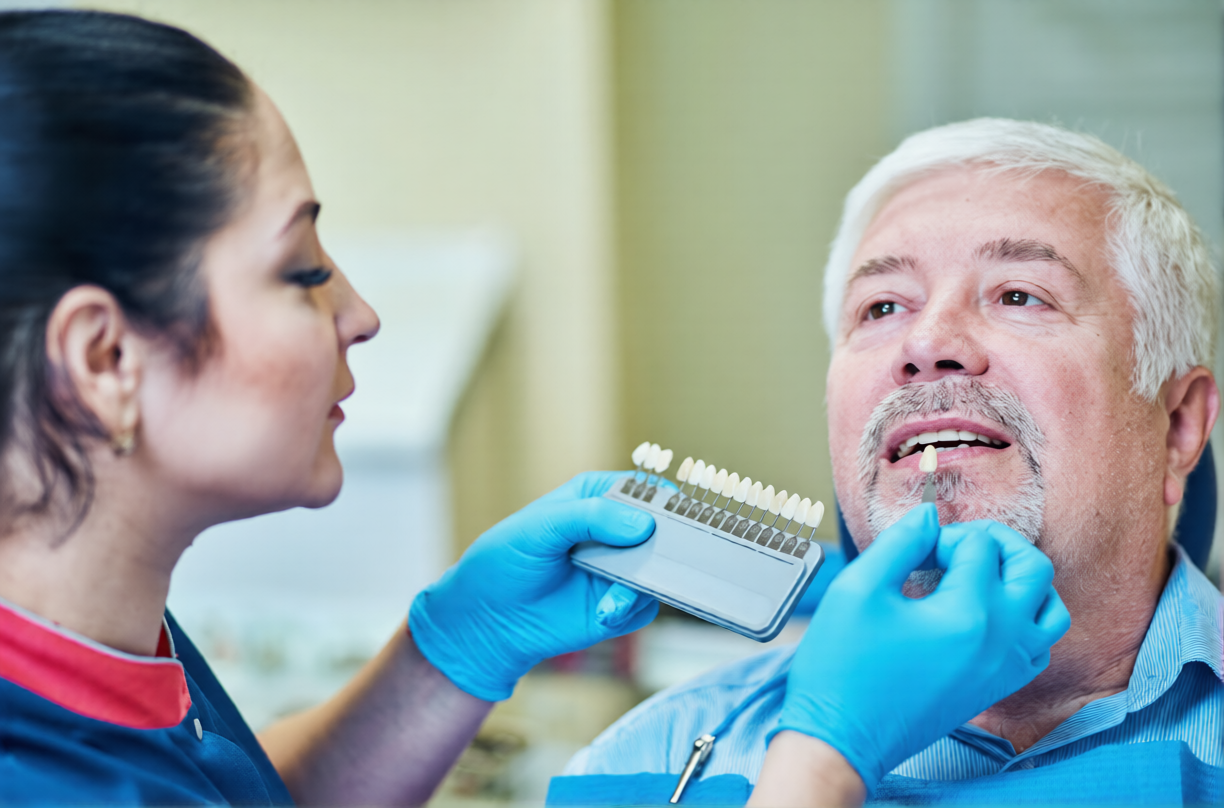
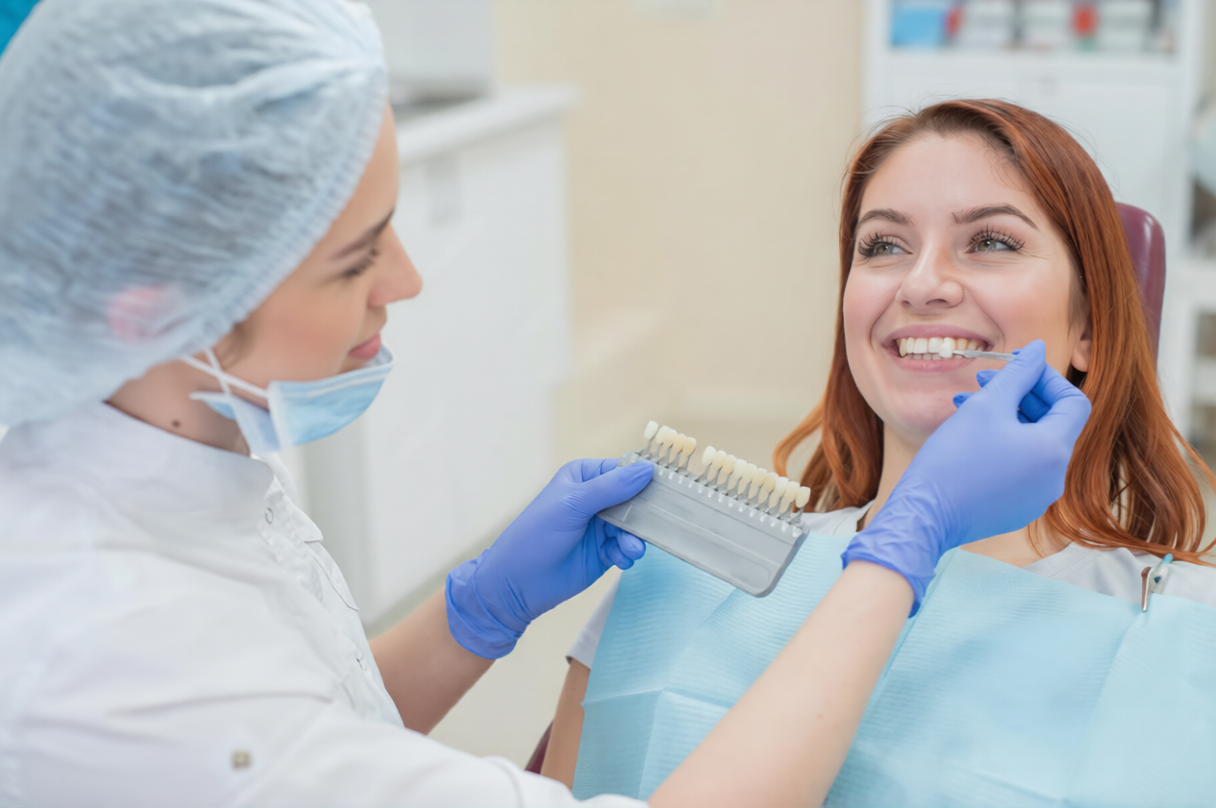
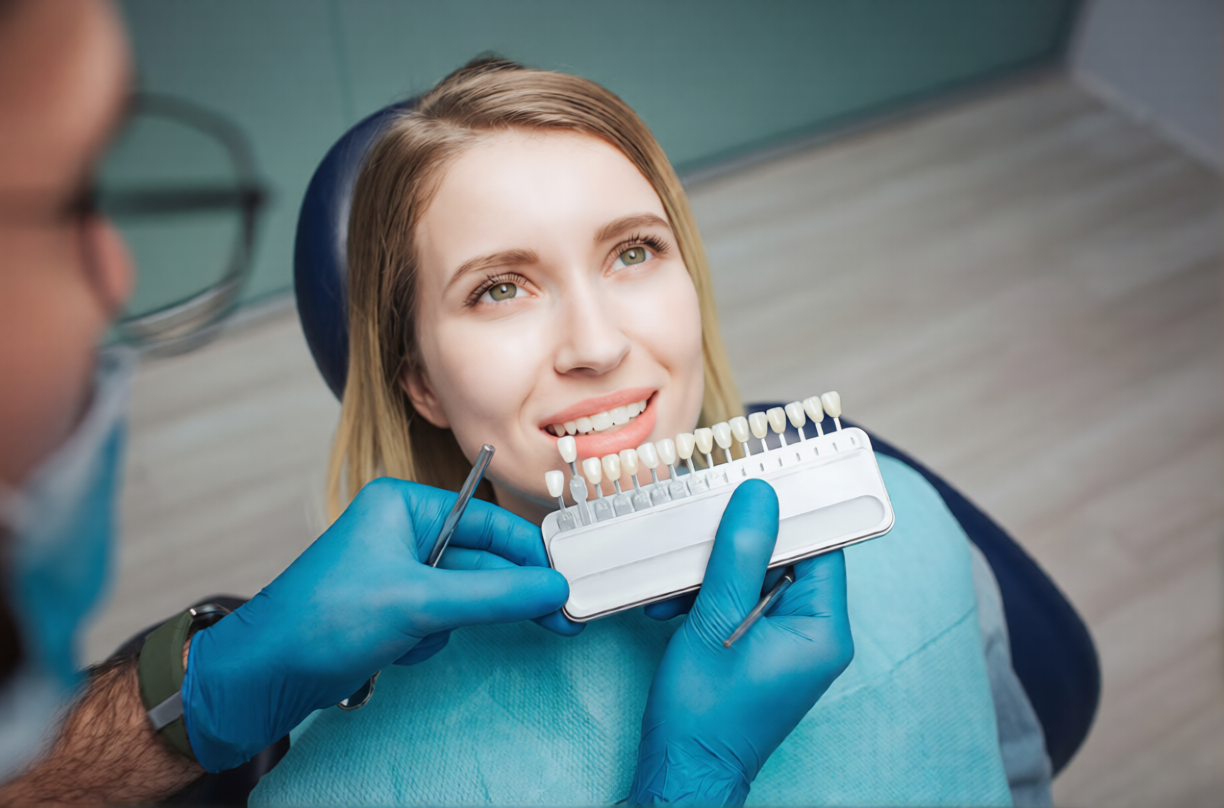
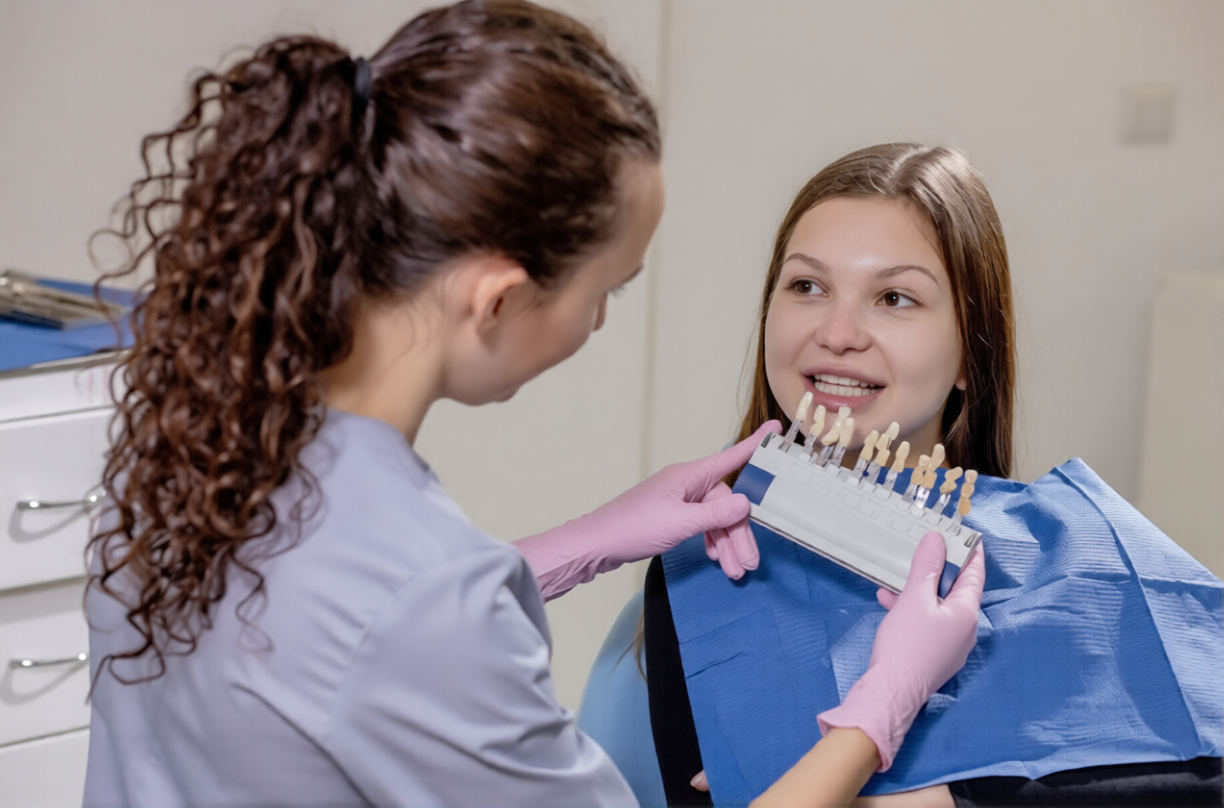
Colour matching is an important part of this stage. Your dentist will work with you to select a shade that suits your preferences and complements your features and other teeth. Shade guides and, in some cases, digital colour-matching tools are used for this purpose.
These impressions and specifications are then sent to a dental laboratory, where dental technicians craft your custom veneers. The laboratory process typically takes between one and three weeks, depending on the laboratory’s schedule and the complexity of your case.
Step 4: Temporary Veneers
After your teeth are prepared and impressions are taken, temporary veneers are usually placed. These serve several important functions during the waiting period before your final veneers are ready.
Temporary veneers protect your prepared teeth from sensitivity and damage. Since a layer of enamel has been removed, your teeth may be more sensitive to temperature changes and general exposure. The temporaries act as a protective covering during this vulnerable period.
These temporary restorations are typically made of acrylic or composite resin. They’re created to approximate the shape of your planned final veneers, though they’re not intended to be identical in appearance or strength. Temporary veneers are designed to be easily removed at your next appointment.
You’ll typically wear temporary veneers for one to three weeks, depending on how long it takes for your final veneers to be fabricated and returned from the laboratory. Your dentist will provide specific care instructions, which generally include the following:
- Very hard or sticky foods should be avoided as they could dislodge the temporaries.
- Gentle brushing around the temporary veneers helps prevent them from becoming loose.
- Temperature sensitivity is common, so being mindful when consuming hot or cold items can reduce discomfort.
- The clinic should be contacted promptly if a temporary becomes loose or falls off.
If a temporary veneer becomes loose or falls off, contact your dental clinic promptly. Don’t attempt to reattach it yourself with household adhesives. The dental team can quickly replace it, keeping your tooth protected until your next appointment.
What to Expect During Your Veneer Preparation Appointment
Understanding what happens during your preparation appointment can help you feel more comfortable and prepared. While individual experiences vary, there are common aspects most patients encounter during veneer preparation.
Appointment Duration
The appointment duration for tooth preparation typically ranges from 60 to 90 minutes per tooth. However, this can vary based on the number of teeth being prepared and the complexity of your case. Multiple teeth may be prepared in a single appointment, or the dentist may schedule separate sessions depending on your treatment plan and individual circumstances.
Sensations During the Procedure
During the preparation of dental veneers, you may experience various sensations. With local anaesthesia, you may experience pressure or vibration during the procedure, though sharp discomfort is generally minimal. Some patients report feeling anxious about the sounds of dental instruments, which is a normal reaction. If you find certain aspects of the appointment challenging, communicate this to your dentist—they can often pause or adjust their approach to help you feel more comfortable.
Local Anaesthesia and Comfort Measures
Local anaesthesia helps manage sensation during preparation. The numbness typically lasts several hours after your appointment and may affect not only the prepared teeth but also your lips, tongue, and surrounding areas. Be careful not to bite these numb areas, and avoid hot foods or beverages until sensation returns.
Managing Sensitivity During the Appointment
If you experience sensitivity during the procedure despite anaesthesia, inform your dentist immediately. They can administer additional anaesthetic if needed. Individual pain tolerance and sensitivity vary considerably; what one patient finds manageable, another may find more challenging. Most patients report minimal discomfort during the preparation when anaesthesia is used appropriately.
Post-Preparation Sensitivity Management
After your preparation appointment, some sensitivity may occur as the anaesthesia wears off. This is typically manageable and temporary. Your prepared teeth are covered with temporary veneers to protect them, but you may still notice sensitivity to hot, cold, or pressure, particularly in the first few days.
Over-the-counter pain relief medication may help if you experience discomfort, though you should follow your dentist’s specific recommendations. If you experience significant pain, sustained sensitivity, or any concerns during the temporary veneer phase, contact your dentist for advice. While some sensitivity is expected, persistent or severe discomfort may indicate an issue that needs attention.
What You Need to Know About the Temporary Veneer Phase
The temporary veneer phase is an important bridge between tooth preparation and final veneer placement. Understanding the purpose of temporaries and how to care for them can help you navigate this period more comfortably.
- Purpose and Function of Temporary Veneers
Temporary veneers serve multiple functions during the waiting period. They protect your prepared teeth from sensitivity and damage, maintain the space prepared for your veneers, and allow you to eat and function relatively normally. The temporaries also give you a preview of how your final smile might look, though with less refinement and natural appearance than the final veneers will provide. - Expected Duration
You’ll typically wear your temporary veneers for one to three weeks, depending on how long it takes for the dental laboratory to fabricate your custom veneers. Some cases may require a slightly longer temporary phase if adjustments or additional laboratory work are needed. - Avoiding Hard and Sticky Foods
Since temporaries are held in place with less solid bonding material than final veneers, they can become loose or dislodged if subjected to excessive force. Avoid very hard foods such as hard candy, nuts, or ice, and be cautious with sticky foods like toffee or chewing gum. These can pull on the temporaries and potentially dislodge them. Cut foods like apples or carrots into smaller pieces rather than biting directly into them. - Gentle Brushing and Oral Care
When brushing, be gentle around the temporary veneers. Use a soft-bristled toothbrush and avoid vigorous scrubbing directly on the edge where the temporary meets your tooth or gum. Continue flossing, but do so carefully—slide the floss out from the side rather than pulling upward, which could dislodge the temporary. - What to Do If Temporaries Become Loose
If a temporary veneer becomes loose or falls off, contact your dental provider promptly. Don’t leave your prepared tooth exposed for extended periods, as this may increase sensitivity and could cause damage. Keep the temporary veneer if it comes off completely—your dentist may be able to reattach it. Don’t attempt to reattach it with household adhesive, as this could damage your prepared tooth or the temporary. - Temperature Sensitivity
It’s normal to experience some sensitivity to hot or cold temperatures while wearing temporaries. The temporary material doesn’t insulate your prepared tooth as effectively as your natural enamel did. Being mindful of temperature extremes in food and beverages can help minimise discomfort during this phase. - Appearance Considerations
Temporary veneers are functional rather than aesthetic masterpieces. They’re typically created quickly during your preparation appointment and don’t have the detailed shading, translucency, or precise contouring of your final porcelain veneers. They may appear slightly bulkier or less natural than your final veneers will. This is expected, and your final veneers will be significantly more refined in both appearance and fit.
Bonding Your Final Veneers: What Happens at the Second Appointment
Once your veneers are returned from the dental laboratory, you’ll have a second appointment for final bonding. This appointment is when your custom-made porcelain veneers are attached to your prepared teeth.
- Removal of Temporary Veneers
The appointment begins with the removal of your temporary veneers. The dentist carefully cleans away the temporary bonding material and confirms that your prepared teeth are clean and ready for the final veneers. Any residue from the temporaries is thoroughly removed to allow for optimal bonding. - Fitting and Adjustment of Final Veneers:
Before bonding the veneers, your dentist will place them on your teeth to check the fit, shape, and colour. This try-in phase is important for confirming that everything looks and feels appropriate. The veneers can be adjusted at this stage if needed—they may be trimmed or refined to achieve proper fit with adjacent teeth and appropriate bite alignment. - Shade and Alignment Verification:
You’ll have the opportunity to review the veneers in place and provide feedback on their appearance. Your dentist will check how they look with your facial features, how they align with your other teeth, and whether the shade appears natural in your mouth. Small colour adjustments may sometimes be possible by adjusting the shade of the bonding cement. - The Bonding Process:
Once you and your dentist are satisfied with the fit and appearance, the bonding process begins. This involves several steps to create a secure, lasting bond between your tooth and the veneer. The tooth surface is prepared with a specific conditioning solution to prepare it for bonding. The veneer interior is also cleaned to enhance adhesion.
Dental adhesive cement is then carefully applied, and the veneer is positioned precisely on your tooth. Pressure is applied to achieve full contact and proper seating. A specific light is used to harden the adhesive, creating a strong bond. Excess cement is carefully removed from around the veneer edges. - Final Polishing and Bite Adjustment:
After the veneers are bonded, final polishing and adjustments are made. Your dentist will check your bite—how your upper and lower teeth meet—and make any necessary refinements to achieve comfortable function. The margins where the veneer meets your tooth are polished smooth. You’ll receive immediate aftercare instructions, typically including avoiding hard foods for the first 24 hours and being careful with your new veneers as you adjust to them. - Possible Follow-Up Adjustments:
Minor adjustments may be needed in the days or weeks following your bonding appointment. This is normal, particularly for bite adjustments. If something feels uncomfortable or different, contact your dental clinic—small refinements are often straightforward to make and can significantly improve your comfort.
Individual Factors That Influence Tooth Preparation
The preparation process is individualised based on numerous factors specific to each patient. Understanding these variables can help explain why your treatment approach may differ from others you’ve heard about.
- Current Tooth Condition
Your current tooth condition significantly influences the preparation required. Teeth that are already worn, chipped, or damaged may require different preparation than teeth that are structurally intact but simply discoloured. Existing wear may indicate that less additional tooth structure needs to be removed, or, conversely, that more extensive preparation is required to create an even surface. Teeth with cracks, erosion, or other structural issues require careful assessment to determine the most appropriate course of action. - Desired Cosmetic Outcome:
The cosmetic changes you’re seeking affect the preparation approach. Significant changes in tooth shape, length, or alignment typically require more preparation than subtle improvements. If you’re seeking to change the angle or position of your teeth, this will affect the amount of tooth structure that needs to be reshaped. Your dentist will discuss what’s achievable and the level of preparation required for your specific goals. - Existing Dental Work:
Existing dental work informs treatment planning. If you have fillings, crowns, or other restorations on teeth adjacent to or near those receiving veneers, this affects how the veneers are designed. It also influences how the preparation is approached. In some cases, existing restorations may need to be updated to achieve proper integration with your new veneers. The condition and location of previous dental work are carefully considered during planning. - Bite Alignment Considerations:
How your teeth come together when you close your mouth affects the thickness and strength requirements of your veneers. Patients with certain bite patterns may require different preparation depths or veneer designs compared to others. Issues such as teeth grinding, jaw clenching, or significant overbite or underbite influence the treatment approach. Your dentist assesses these factors during the consultation phase. - Number of Teeth Receiving Veneers:
The number of teeth receiving veneers also influences the overall approach. Single-tooth veneers can be matched to existing teeth, while multiple veneers enable more comprehensive smile design. Addressing multiple teeth simultaneously often yields better symmetry and overall harmony, but it also requires more extensive preparation across several teeth. The treatment timeline and appointment schedule may vary depending on the number of teeth involved.
A personalised consultation is essential to determine the preparation required for your specific case. What’s appropriate for one patient may not be suitable for another, even if their situations appear similar. Your individual anatomy, dental health, aesthetic goals, and oral function all contribute to your unique treatment plan. Your dentist will assess these factors and recommend an approach tailored to your circumstances.
Maintaining Oral Health During the Veneer Process
Maintaining good oral hygiene throughout the veneer process supports the health of your teeth and gums and contributes to the long-term outcome of your treatment. Your oral health routine requires some adjustments during the temporary veneer phase.
Continuing Your Oral Hygiene Routine
Continue brushing twice daily with a soft-bristled toothbrush and fluoride toothpaste. Be thorough but careful, particularly around the margins where temporary veneers meet your gums and teeth. Avoid aggressive scrubbing, as it could dislodge the temporaries or irritate your gums. Good oral hygiene during this phase helps maintain gum health and prevents issues that could complicate the final placement of your veneers.
Flossing with Temporary Veneers
Flossing remains important during the temporary phase, though you’ll need to be more careful than usual. Slide the floss gently between teeth and pull it out sideways rather than upward to avoid catching on the temporary veneers. Your dentist may recommend specific flossing techniques or products that are more effective with temporary restorations. Don’t skip flossing altogether, as this can lead to gum inflammation.
Mouthwash Use
If you use mouthwash, continue this habit, but ask your dentist if they recommend any particular type during the temporary phase. Some patients find that alcohol-free mouthwashes are less irritating to sensitive areas after preparation.
What to Avoid During the Temporary Phase
Certain activities and foods warrant extra caution while wearing temporary veneers. Avoid biting directly into hard foods with your front teeth if that’s where your temporaries are located. Cut apples, carrots, and similar items into smaller pieces rather than biting into them.
Avoid chewing ice, hard candy, or other very hard substances. Be cautious with sticky foods that could pull on the temporaries. Limiting foods and beverages that are extremely hot or cold can help manage sensitivity.
When to Contact the Dental Clinic
Contact your dentist if you notice increased sensitivity that doesn’t improve, bleeding gums or swelling, or persistent discomfort beyond normal post-preparation sensitivity. You should also reach out if a temporary veneer becomes loose or falls off. These issues can often be addressed quickly, and early attention may prevent more significant problems. Don’t hesitate to reach out if you’re unsure whether something requires professional attention.
Long-Term Care After Final Veneers
Once your final veneers are bonded, your long-term care routine will be similar to that for natural teeth, with a few additional considerations. Regular brushing, flossing, and dental check-ups remain essential. Your dentist will provide specific guidance about caring for your veneers to support their longevity and appearance. Individual needs may vary, and what works well for one patient may require adjustment for another based on factors such as bite patterns or oral hygiene habits.
Final Thoughts
Understanding the preparation process can help you feel more informed as you consider porcelain veneers. The process involves several key stages. First is a comprehensive consultation to assess your suitability and develop a personalised treatment plan. Next is tooth preparation, which is customised to your needs and involves careful removal of tooth structure. You’ll then wear temporary veneers while your custom ones are fabricated. The final stage is bonding, where your permanent veneers are securely attached. The preparation process varies considerably between individuals based on factors such as current tooth condition, desired outcomes, existing dental work, and bite alignment.
What’s appropriate for your case can only be determined through a personal consultation and examination by a dentist. If you’re considering veneers and would like to understand what preparation would involve in your specific situation, we welcome you to book a consultation at Willeri Dental Parkwood. During this appointment, we can assess your needs, discuss your goals, answer your questions, and explain what to expect given your unique circumstances. Contact our clinic to schedule your consultation and take the first step towards understanding your options.