You’ve been thinking about veneers for a while now, but one question keeps coming back: “Do veneers damage your teeth?” It’s a concern we hear often from patients across Perth, and it’s completely understandable. After all, you want to feel secure about any decision involving your smile.
The answer isn’t a simple yes or no. Veneers don’t cause damage in the way a cavity or crack would, but they do involve irreversible changes to your tooth structure. Understanding what those changes mean can help you decide whether veneers are right for you.
In this article, we’ll walk through the veneer enamel-removal process, explain why these changes are irreversible, discuss veneer tooth sensitivity, and explore alternatives such as no-prep veneers. At Willeri Dental Parkwood, we believe you deserve clear, honest information before making any cosmetic dental decision.
Summary of the Content:
- Veneers involve removing a thin layer of enamel, typically 0.3 to 0.7mm, to create space for proper bonding and a natural appearance.
- This enamel removal is irreversible because tooth enamel cannot regenerate once it has been removed.
- The preparation process is intentional and controlled, unlike the harmful tooth damage caused by decay or injury.
- Some patients may experience temporary veneer tooth sensitivity after the procedure, though this often settles within a few weeks.
- No-prep veneers and minimal-preparation options may suit certain candidates who want to preserve more of the natural tooth structure.
- Individual factors such as tooth condition, bite alignment, and aesthetic goals determine which type of veneer is most appropriate.
- A thorough consultation helps you understand the long-term commitment involved with veneers before proceeding.
What Are Dental Veneers and How Do They Work?
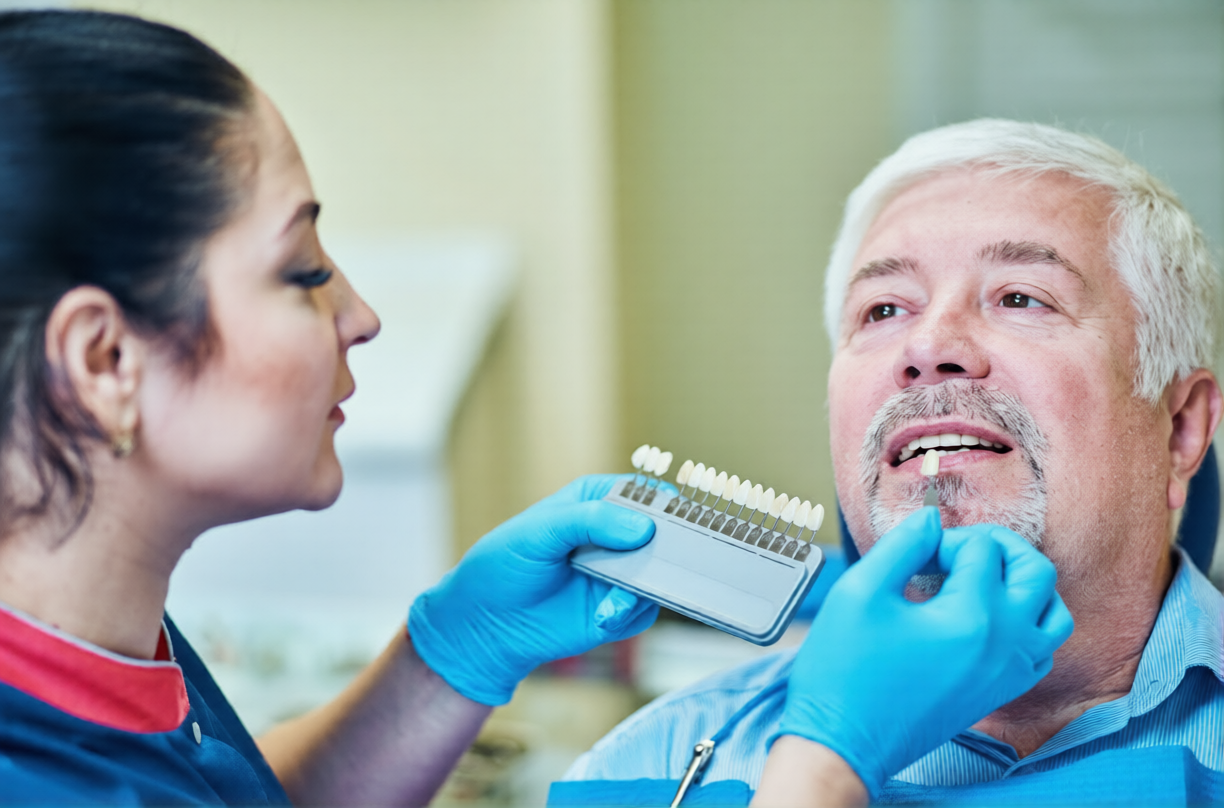
Dental veneers are thin, custom-made shells designed to cover the front surface of your teeth. They’re crafted to match your natural tooth colour and shape, designed to create a more uniform appearance. Veneers are primarily a cosmetic treatment, addressing aesthetic concerns rather than structural problems.
Many patients in Perth consider veneers for a range of aesthetic concerns. These might include persistent discolouration that whitening can’t address, small chips or cracks in the teeth, or gaps between teeth. Some people also choose veneers for minor misalignment they’d prefer not to address with braces.
Two main types of veneers are available at most dental clinics. Porcelain veneers are made from ceramic material and are known for their durability and stain resistance. Composite veneers are made from tooth-coloured resin and can often be applied in a single appointment. Porcelain veneers typically last 10 to 15 years with proper care, while composite veneers may last five to seven years before needing replacement or touch-ups.
The bonding process involves carefully attaching each veneer to the prepared tooth surface using dental adhesive. Once bonded, the veneer becomes a part of your smile. This is why understanding what veneers involve matters so much before you commit.
The Veneer Process Overview
Getting veneers typically involves several appointments spread over a few weeks. Here’s what you can generally expect:
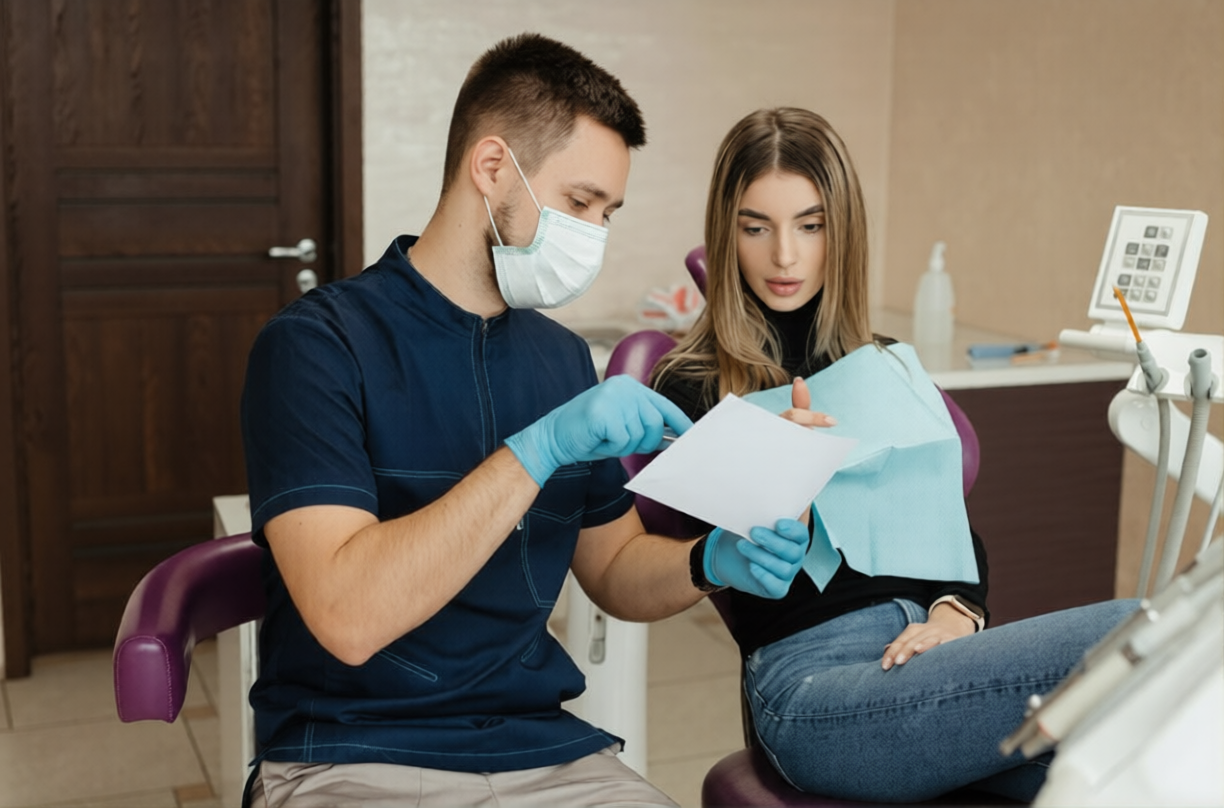
- Your dentist conducts an initial consultation to assess your teeth, discuss your goals, and determine whether veneers may be suitable for your situation.
- During tooth preparation, a small amount of enamel is removed from the front surface of each tooth receiving a veneer.
- Impressions or digital scans of your prepared teeth are taken and sent to a dental laboratory, where your custom veneers are created.
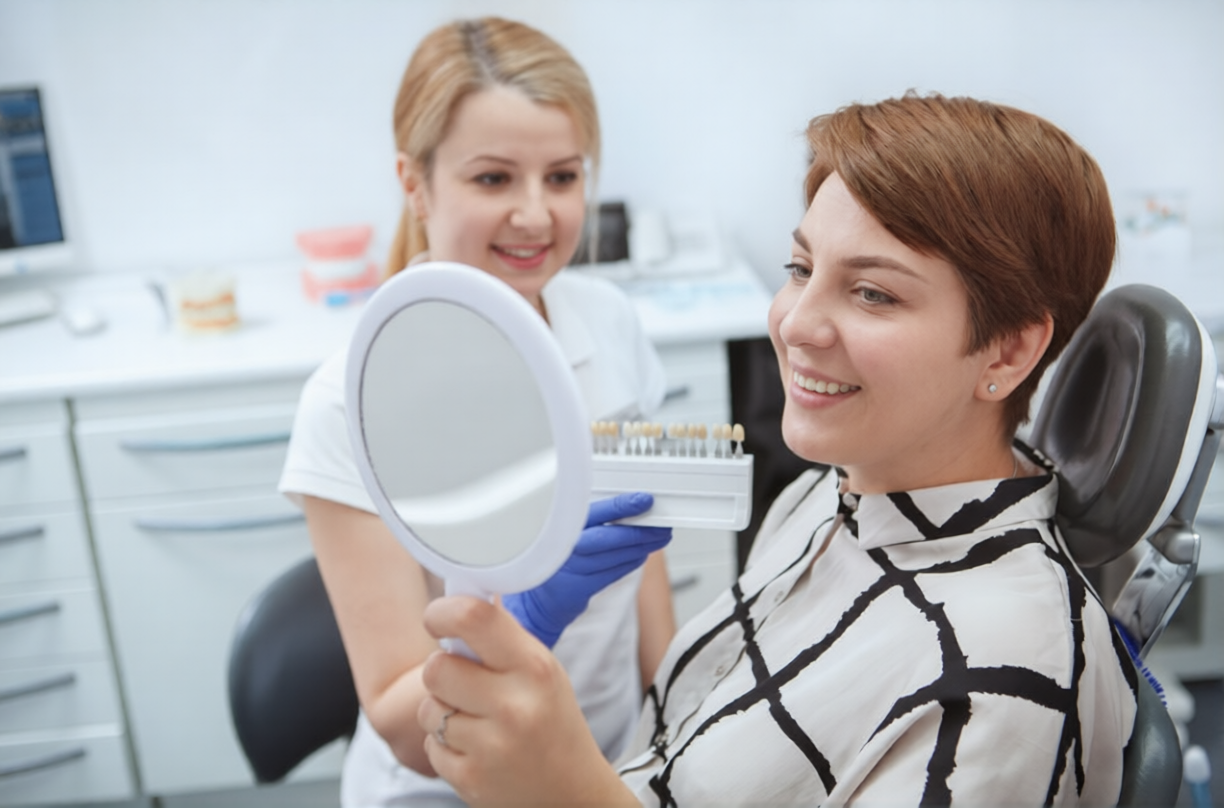
- At your final appointment, your dentist checks the fit, colour, and shape of each veneer before bonding them to your teeth.
The entire process requires careful planning and precision. Each step builds on the previous one, so rushing through consultations is not a priority for you. Taking time to ask questions and understand what’s involved helps you feel more secure about your decision.
What Happens to Your Tooth Enamel During Veneer Preparation?
Veneer enamel removal is a necessary part of the traditional veneer process. Without removing some enamel, the veneer would sit on top of your natural tooth and look bulky or unnatural. The preparation creates space for the veneer to sit flush with your surrounding teeth. It also slightly roughens the tooth surface, helping the bonding adhesive grip properly.
The typical amount of enamel removed ranges from 0.3 to 0.7 millimetres. To put that in perspective, it’s roughly the thickness of a fingernail. This represents a small percentage of your overall tooth structure, but it’s still a meaningful change. Your tooth enamel is the hard, protective outer layer of each tooth. Unlike bone or skin, enamel doesn’t regenerate once it’s gone.
During preparation, your dentist uses precise instruments to reshape the front surface of each tooth. The process is carefully controlled to remove only what’s needed for proper veneer placement. Different patients require different amounts of preparation depending on their tooth position, size, and the type of veneer being placed. This is why veneer enamel removal varies from person to person.
Dentists trained in cosmetic procedures understand the importance of preserving as much healthy tooth structure as possible. Modern techniques and materials have made it possible to achieve aesthetic results while keeping preparation minimal. However, some enamel removal is still necessary for traditional porcelain veneers to bond properly and look natural.
Does This Amount of Enamel Removal Constitute “Damage”?
This is where the conversation gets interesting. Clinically, tooth damage refers to harm caused by decay, trauma, grinding, or acid erosion. These types of damage are unplanned and harmful, and they weaken the tooth in ways that compromise its health. Veneers enamel removal, on the other hand, is intentional, controlled, and performed for a specific purpose.
The preparation doesn’t weaken your tooth in the same way a cavity would. Your remaining tooth structure continues to function normally beneath the veneer. The veneer itself acts as a new outer surface, taking over some of the protective role that enamel previously played. Many patients worry that their teeth will become fragile or prone to breaking after preparation. In most cases, properly placed veneers don’t create this outcome.
Intentional preparation isn’t the same as accidental damage, but it is still irreversible. Your teeth won’t return to their original state once prepared. This is why informed consent and thorough consultation are so important before proceeding with any cosmetic dental work.
The Irreversible Nature of Veneers
When we say veneers are irreversible, we mean that once enamel is removed, it cannot grow back. Your teeth will always need some form of covering or protection. This doesn’t mean you’re stuck with veneers, but it does mean you’ll need to maintain them or replace them with another restoration when the time comes.
Irreversibility doesn’t necessarily lead to regret. Many patients feel genuinely happy with their veneers and would choose them again. The key is to go in with full knowledge of what the commitment entails. When you understand that your prepared teeth will need covering indefinitely, you can plan accordingly and make a decision that feels right for your circumstances.
What Happens When Veneers Need to Be Replaced?
Common reasons for replacement include normal wear over time, chipping or cracking from biting hard objects, or changes in the surrounding gum tissue. Some patients simply want an updated look after many years.
When replacement time comes, you have several options available. New veneers can be placed over the same prepared teeth in most cases. If significant changes have occurred, a dental crown may be recommended to provide a more complete covering. Your dentist will assess the condition of your underlying teeth and discuss which option suits your situation.
Since prepared teeth remain functional, they’re not damaged in a way that prevents future treatment. With proper care between replacements, you can help extend the life of each set of veneers. This includes attending regular dental check-ups, maintaining good oral hygiene, and avoiding habits like nail-biting or using teeth as tools.
What Changes Might You Experience After Getting Veneers?
Getting veneers involves an adjustment period. Your mouth needs time to adapt to the new surfaces, and you may notice some differences in how your teeth feel. This is normal and typically settles within a few weeks as you become accustomed to your veneers. Here are some changes that some patients may experience:
- Tooth sensitivity:
Because enamel has been removed, the underlying tooth may respond more readily to temperature changes or pressure. Some patients notice increased sensitivity to hot or cold foods and drinks in the days or weeks following their procedure. For most people, this sensitivity is temporary and gradually decreases as the teeth adjust. - Adjustment to bite and feel:
You might notice a slight change in how your bite feels initially. This usually improves as you adapt, though any persistent discomfort should be mentioned to your dentist. Proper veneer placement takes your bite into account, but fine-tuning may occasionally be needed.
Maintaining your veneers requires consistent oral hygiene habits. Brushing twice daily, flossing regularly, and attending routine dental appointments help keep both your veneers and underlying teeth healthy. While veneers themselves can’t develop cavities, the natural tooth structure around and beneath them still can.
Not all patients experience these changes. Individual responses vary widely, so it’s difficult to predict exactly how your teeth will respond.
Addressing Sensitivity Concerns
Veneer tooth sensitivity occurs when the enamel layer that previously insulated your tooth is partially removed. The remaining tooth structure may transmit sensations more readily than before. Understanding what to expect can help you manage any discomfort:
- Why sensitivity increases:
The prepared tooth surface may be more responsive to temperature and pressure changes. This is why some patients feel a twinge when drinking something very cold or biting into something hot. - Temporary versus persistent sensitivity:
In most cases, veneer tooth sensitivity is temporary. It tends to peak in the first week or two after placement and then gradually diminishes. During this time, you might find it helpful to avoid extremely hot or cold foods and use a toothpaste designed for sensitive teeth. - Management approaches:
Small adjustments can make the transition more comfortable. These might include using sensitive toothpaste, temporarily avoiding extreme temperatures, and giving your mouth time to adapt naturally. - When to consult your dentist:
Persistent sensitivity that doesn’t improve after several weeks warrants a conversation with your dentist. While uncommon, ongoing discomfort could indicate that something needs attention. It might be a minor adjustment to your bite, or it might require further investigation. A professional evaluation is required to identify the cause of persistent symptoms and suggest appropriate next steps.
Are There Options That Require Less Enamel Removal?
If the idea of irreversible enamel removal concerns you, alternatives are available that may require less preparation. Each option has its own benefits and limitations, and individual assessment determines which approach suits your situation. Here are some alternatives worth discussing with your dentist:
- No-prep or minimal preparation veneers:
These veneers are designed to bond to teeth with little to no enamel removal. They’re thinner than traditional veneers and can be suitable for patients whose teeth don’t require significant reshaping. No-prep veneers work well in certain situations, particularly if your teeth are already well-aligned and you’re primarily looking to address minor cosmetic concerns. However, teeth that are significantly crooked, severely discoloured, or need substantial reshaping may still require traditional preparation for better results. - Composite bonding:
This involves applying tooth-coloured resin directly to the tooth surface and shaping it by hand. Bonding typically requires minimal or no enamel removal and can address small chips, gaps, or discolouration. The trade-off is that composite material isn’t as durable or stain-resistant as porcelain, so results may not last as long. - Professional teeth whitening:
For patients whose main concern is tooth colour, whitening might be worth exploring first. Whitening doesn’t change tooth structure at all and can brighten your smile by several shades. If discolouration is your primary issue and your teeth are otherwise healthy, whitening may give you the results you want without causing changes. - Orthodontic treatment:
Clear aligners or traditional braces can straighten teeth without removing any enamel. This approach takes longer than veneers but preserves your natural tooth structure entirely. Some patients choose to combine orthodontic treatment with whitening for a comprehensive smile enhancement that doesn’t require veneers.
Not all patients are candidates for minimal-prep options. The suitability of each alternative depends on your specific cosmetic concerns, tooth condition, bite alignment, and aesthetic goals. A thorough consultation helps determine which approach aligns with your circumstances, budget, and comfort level.
Final Thoughts
So, do veneers damage your teeth? The honest answer is that veneers involve irreversible changes, but don’t cause damage in the harmful sense. Veneer enamel removal is an intentional, controlled process that creates space for your new smile. It’s different from the kind of damage caused by decay, trauma, or neglect.
The distinction between preparation and damage matters. Your teeth aren’t weakened or compromised by the proper placement of veneers. They’re changed, yes, but in a planned way that your dental team has carefully considered.
Understanding the question “do veneers damage your teeth” means knowing that some sensitivity may occur, that replacements will be needed, and that alternatives like no-prep veneers exist. This knowledge helps you weigh your options realistically. Every smile is different, and what works beautifully for one person may not suit another.
At Willeri Dental Parkwood, we’re here to answer your questions about veneers and help you understand what they might involve for your specific situation. A consultation gives you the chance to discuss your concerns, explore your options, and receive personalised information tailored to your teeth. There’s no pressure to decide on the spot. We’re simply here to provide the guidance you need to move forward with your treatment. If you’d like to learn more, feel free to get in touch with our team.