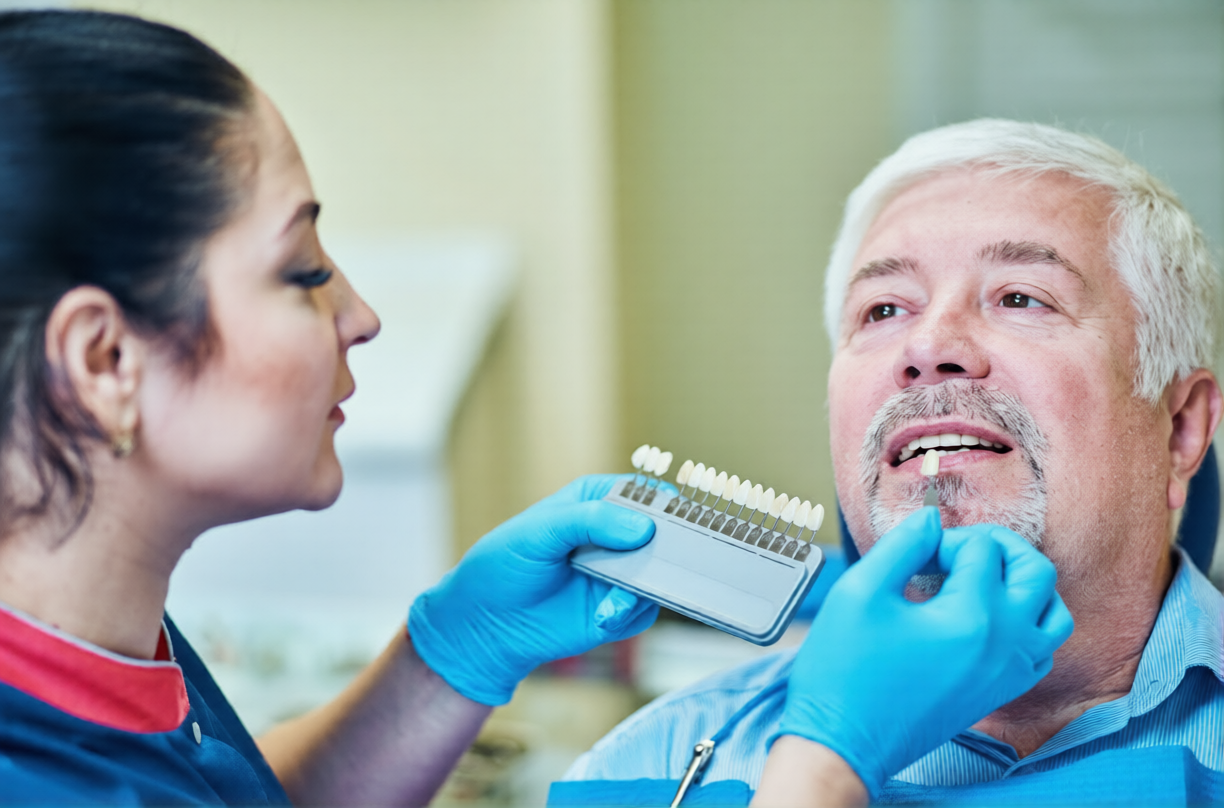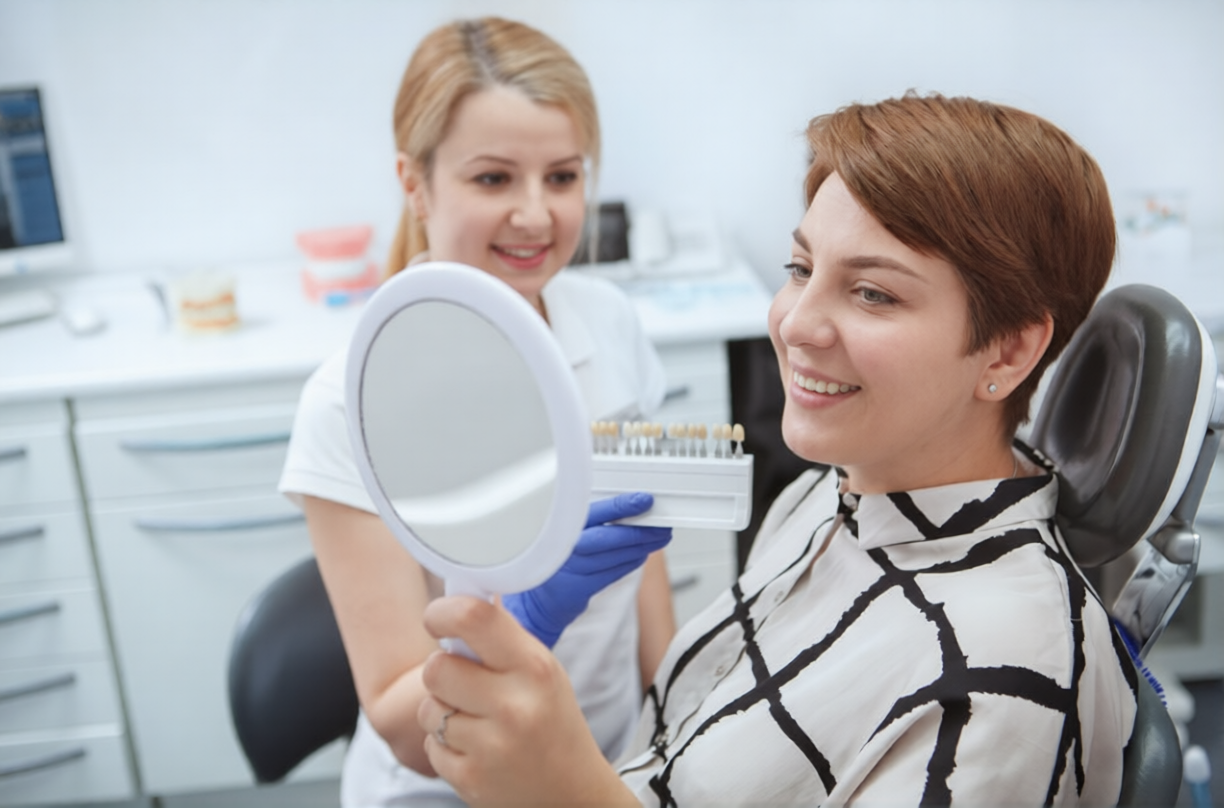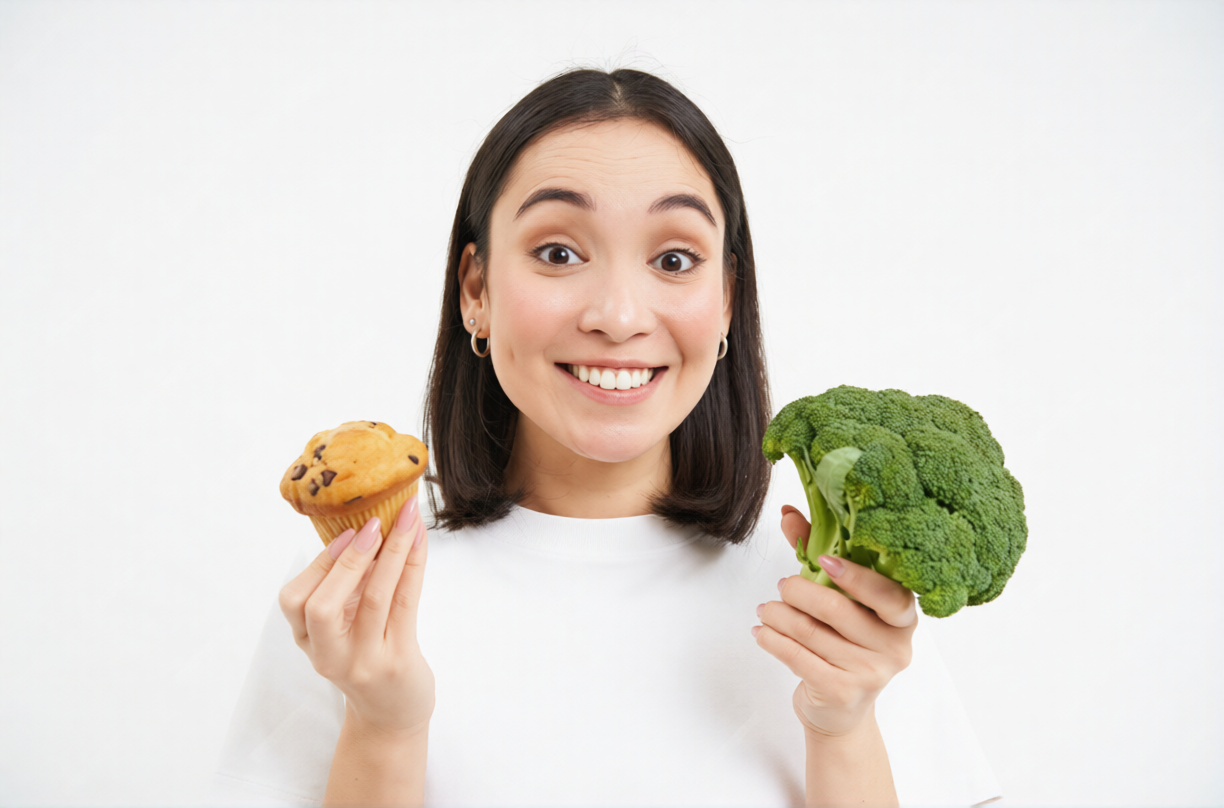
Many patients wonder whether their lifestyle and eating habits need to change after investing in porcelain veneers. Dietary questions are among the most common concerns we hear at Willeri Dental Parkwood. The good news is that most of your favourite foods remain accessible with proper care and technique.
Porcelain veneers are designed to improve your smile appearance by addressing discolouration, chips, minor misalignment, or gaps. With appropriate care, veneers typically last 10-15 years or longer. Diet plays a significant role in maximising this longevity. Understanding which foods to avoid with veneers helps you protect your investment while maintaining your quality of life.
Summary of the Content:
- Veneers improve your smile while allowing most normal eating habits with appropriate care and technique.
- The temporary veneer phase requires more restrictive dietary guidelines to protect the weaker temporary cement.
- Hard foods like ice, nuts, and raw vegetables can damage veneers or stress the bonding material.
- Sticky foods, including caramel, toffee, and certain lollies, may pull veneers away from teeth.
- Acidic foods and beverages can gradually erode the bonding cement that holds veneers in place.
- Staining foods affect the bonding material and the natural teeth around the veneers rather than the porcelain itself.
- Safe eating techniques include using back teeth for chewing, cutting hard foods into smaller pieces, and rinsing after meals.
- Daily protective habits, such as wearing night guards for grinding and avoiding using teeth as tools, extend the veneer’s lifespan.
- Professional dental care every six months helps maintain the longevity of veneers by monitoring and cleaning.
Understanding Your Veneers
Veneers are custom-designed ceramic shells that transform your smile while allowing you to maintain most normal eating habits. Understanding how veneers work helps explain why certain dietary precautions matter during different phases of treatment.
Types of Veneers
- Porcelain Veneers
Porcelain veneers are thin ceramic shells custom-designed to fit over the front teeth. They’re known for durability and stain resistance compared to natural tooth enamel. Porcelain veneers can address various cosmetic concerns, including discolouration, gaps, chips, and minor misalignment. With appropriate care, porcelain veneers may last 10-20 years. They provide a natural appearance due to light-reflecting properties similar to tooth enamel. - Composite Veneers
Composite veneers are made from tooth-coloured resin material. They may require more careful dietary management than porcelain alternatives. The initial investment is typically lower than that for porcelain. However, composite veneers may be more prone to staining over time than porcelain veneers. They can be completed in fewer appointments since they’re built directly on your teeth.
Why Diet Matters for Veneers
- Bonding Material Considerations
Veneers attach to natural teeth using a special dental bonding cement. This bonding material can be affected by certain foods and beverages. Acidic substances may gradually erode the cement bond. Excessive force from hard foods can stress the bond and compromise longevity. - Veneer Material Durability
While porcelain veneers resist everyday wear, they are not indestructible. Excessive pressure from very hard foods can cause chips or cracks. The front teeth, where veneers are placed, are designed for biting, not for crushing hard objects. Proper dietary habits help maintain both the integrity of the veneer and its bonding strength when eating with veneers.
Temporary vs. Final Considerations
- Temporary Veneers Phase
During the two to three-week period between preparation and final veneer placement, temporary veneers protect your prepared teeth. Temporary veneers attach with temporary cement, which is less durable than secure bonding. More restrictive dietary guidelines apply during this temporary phase. Temporary veneers may be more prone to dislodgement or staining. - Final Veneers
Once final veneers are bonded, dietary restrictions become less strict. The goal shifts from avoiding damage to maintaining long-term appearance and integrity. Most foods are safe to eat when consumed with appropriate precautions. Focus shifts to techniques and habits rather than eliminating food categories.
Foods to Avoid with Temporary Veneers
Introduction to Temporary Phase
Temporary veneers require extra caution because the temporary cement that bonds them to your teeth is weaker. This phase typically lasts two to three weeks while your final veneers are being custom-crafted in the laboratory. Following these guidelines helps prevent premature dislodgement or damage to temporary restorations. The temporary period is a good opportunity to practice good eating habits that will benefit your final veneers over the long term.
Hard Foods
Foods to Avoid
- Never chew ice cubes, as they can crack temporary veneers instantly.
- Avoid hard lollies and brittle sweets that require a lot of biting force.
- Do not eat nuts and seeds, which demand excessive pressure from front teeth.
- Skip hard crusts on bread and bagels during the temporary phase.
- Cut raw carrots and apples into small pieces rather than biting them whole.
- Be cautious with popcorn, particularly unpopped kernels, which can damage temporary bonding.
Why These Require Caution
Hard foods exert excessive pressure on the temporary cement that holds veneers in place. Biting force can dislodge temporary veneers completely. Even small cracks in temporaries can lead to sensitivity or discomfort. Front teeth with temporary veneers cannot withstand the same forces as natural teeth without temporary cement.
Sticky Foods
Foods to Avoid
- Avoid caramel and toffee sweets that adhere to temporary veneers.
- Do not consume chewy lollies that can pull temporary veneers away.
- Skip chewing gum entirely during the temporary phase.
- Avoid sticky dried fruits like dates and dried mango.
- Be cautious with certain nut butters, particularly thick or sticky varieties.
Why These Require Caution
Sticky substances can adhere to temporary veneers and pull them away from teeth when you remove the food. The removal motion creates significant stress on temporary bonding. Even if temporaries don’t dislodge, repeated stress can weaken attachment over the two to three-week period. This weakening may lead to discomfort or complications.
Staining Foods and Beverages
Items Requiring Caution
- Coffee and black tea can stain temporary veneer material.
- Red wine leaves visible discolouration on temporary veneers.
- Dark-coloured soft drinks and cordials stain quickly during the temporary phase.
- Tomato-based sauces (pasta sauce, pizza sauce) contain strong pigments.
- Curry and turmeric-based dishes leave lasting stains on temporary material.
- Dark berries, including blueberries and blackberries, stain significantly.
- Soy sauce and balsamic vinegar cause noticeable discolouration.
Why These Require Caution
Temporary veneers are more porous and vulnerable to staining than final porcelain veneers. Discolouration during the temporary phase is visible and cannot be professionally polished like final veneers. The temporary period is relatively brief, making it easier to avoid these items for just two to three weeks. Professional stain removal isn’t available for temporary materials.
Temperature Extremes
Items Requiring Caution
- Foods to avoid with veneers include very hot beverages, such as freshly brewed coffee and tea.
- Skip extremely cold foods, including ice cream and frozen treats
- Don’t combine temperature extremes, such as hot coffee followed by ice water.
Why These Require Caution
Some temporary veneer materials may expand or contract in response to extreme temperature changes. Sensitivity can be more pronounced during the temporary phase. Temperature fluctuations can affect the temporary cement bond strength. This sensitivity typically decreases once the final veneers are placed.
Safe Foods During Temporary Phase
Recommended Options
- Soft fruits, including bananas, melons, and soft berries, are good choices.
- Cooked vegetables prepared through steaming, roasting, or sautéing work well.
- Soft proteins such as fish, chicken, tofu, and eggs are recommended.
- Pasta and soft grains such as rice, quinoa, and couscous are acceptable.
- Dairy products, including yoghurt, cheese, and milk, support nutrition.
- Soft breads and wraps allow normal eating without stress on temporaries.
- Smoothies and protein shakes provide nutrition (avoid very cold temperatures).
- Soups offer satisfying meals (not excessively hot).
Foods to Approach Carefully with Final Veneers
Introduction to Final Phase
Once the porcelain veneers are bonded with strong, secure cement, dietary options expand significantly. Final veneers are more durable and stain-resistant than temporary restorations. Focus shifts from strict avoidance to careful consumption and proper technique. Most people can return to eating their favourite foods with appropriate precautions and mindful habits. The goal is to promote sustainable, long-term dietary habits rather than the restrictive elimination of entire food categories.
Very Hard Foods
Approach with Caution
- Hard nuts in shells (almonds, walnuts) require careful handling when eating with veneers.
- Bone-in meats (chicken legs, T-bone steaks) can damage veneers if bitten directly.
- Hard lollies and brittle foods should be consumed in minimal quantities with final veneers.
- Corn on the cob requires removing kernels rather than biting directly into the cob.
- Crusty breads and hard-crusted pizzas should be handled carefully to avoid damage.
- Raw vegetables like carrots, celery, and apples should be cut into smaller pieces.
Safe Consumption Strategies
- Cut hard foods into smaller, bite-sized pieces before eating to reduce stress.
- Use back teeth (molars) for chewing hard foods rather than front teeth with veneers.
- Avoid biting directly into hard objects with front teeth that have veneers.
- For bone-in meats, carefully cut the meat away from the bone rather than pulling it with your teeth.
- Take time to chew thoroughly and slowly to maintain control while eating with veneers.
Acidic Foods and Beverages
Items Requiring Awareness
- Citrus fruits and juices, including oranges, lemons, and grapefruit, are acidic.
- Tomato-based products such as pasta sauce, salsa, and pizza sauce affect bonding.
- Vinegar-based dressings and pickled foods are highly acidic.
- Soft drinks and carbonated beverages gradually weaken the veneer maintenance diet.
- Both white and red wines contain acids that affect bonding material.
- Sports and energy drinks have high acidity levels that impact longevity.
Why Caution is Important
Acidic substances can gradually erode cement-bonded veneers in place. While porcelain itself is acid-resistant, natural teeth and bonding material are more vulnerable to acid exposure. Over time, acid exposure can weaken veneer attachment and compromise your veneer maintenance diet success. Enamel around veneers can be affected, creating a visible contrast between the veneer and the tooth.
Safe Consumption Strategies
- Consume acidic foods and beverages in moderation rather than eliminating them entirely.
- Rinse your mouth with plain water after consuming acidic items to neutralise acids.
- Wait 30 minutes before brushing teeth after acidic exposure to prevent further enamel erosion.
- Use a straw when drinking acidic beverages to minimise contact with front teeth.
Staining Foods and Beverages
Items to Consume Mindfully
- Coffee and dark tea can stain bonding material at the margins of veneers.
- Red wine gradually affects the appearance of veneers over repeated exposure.
- Dark-coloured berries, including blueberries and blackberries, may cause staining.
- Curry, turmeric, and heavily spiced dishes contain strong pigments.
- Soy sauce and balsamic vinegar are highly staining substances.
- Dark soft drinks and cordials affect the appearance of veneer margins.
Important Context
Porcelain veneers themselves are highly stain-resistant and maintain brightness remarkably well. However, the bonding cement and surrounding natural teeth can stain over time. Staining typically occurs at veneer margins where bonding material is visible to others. Over time, stained margins can create contrast with bright veneer surfaces, affecting aesthetic results.
Safe Consumption Strategies
- Enjoy these foods in moderation rather than completely avoiding them for quality of life.
- Rinse your mouth with water after consumption to remove staining particles.
- Use a straw when practical to drink beverages to protect front teeth.
- Maintain regular professional cleanings every six months to address staining.
- Brush teeth approximately 30 minutes after consuming staining foods to maintain appearance.
Sticky and Chewy Foods
Items to Consume Carefully
- Chewing gum (sugar-free varieties are generally acceptable with veneers).
- Caramel and toffee should be consumed minimally due to their adhesive properties.
- Chewy lollies require careful consumption when eating with veneers.
- Very chewy meats, like tough steak, can stress bonding if not cut properly.
- Sticky dried fruits may pull at the veneer bonding if chewed carelessly.
Safe Consumption Strategies
- Sugar-free chewing gum is typically safe with final veneers due to strong bonding.
- When chewing gum, use the back molars rather than the front teeth with veneers.
- Cut chewy foods into smaller pieces to reduce stress on the veneer bonding.
- Chew slowly and deliberately to maintain awareness while eating with veneers.
- If food gets stuck between the veneer and the natural tooth, schedule a dental appointment (this may indicate a bonding issue requiring professional assessment).
Safe Eating Techniques for Veneer Wearers
Mastering safe eating techniques allows you to enjoy most foods while protecting your veneers over the long term. These practical strategies make eating with veneers natural and effortless after a short adjustment period.
Proper Chewing Techniques
Using Back Teeth Strategically
Back teeth (molars) are designed by nature to grind and crush food effectively. Front teeth with veneers are primarily designed for biting into soft foods. When eating harder foods, position them toward the back of your mouth where natural teeth are stronger. This distributes chewing force to teeth that are better equipped to handle pressure, reducing the risk of veneer damage.
Cutting Food Into Smaller Pieces
Divide hard or crunchy foods into bite-sized portions before eating to reduce stress. This significantly reduces stress on individual teeth and veneers. It’s particularly important for items like apples, carrots, and crusty bread that require biting force. Small pieces also encourage thorough chewing, which benefits your overall digestion and nutrient absorption.
Chewing Slowly and Mindfully
Take time to chew food thoroughly rather than rushing through meals. Avoid rushing through meals, which can lead to accidental damage. Mindful eating reduces the risk of accidentally biting down on hard objects that could chip veneers. This approach helps identify any sensitivity or discomfort that may signal underlying issues requiring attention.
Daily Protective Habits
Avoiding Non-Food Items
- Never use your teeth to open packages, bottles, or containers, as this can stress your veneers.
- Avoid biting your fingernails, as this can damage both veneers and natural teeth.
- Do not chew on pens, pencils, or other objects, no matter how habitual.
- These habits create unnecessary stress on veneers and bonding and should be eliminated immediately.
Protecting Veneers During Sleep
If you grind your teeth at night (bruxism), discuss custom nightguard options with your dentist. Nightguards protect veneers from excessive grinding forces during sleep when you can’t control bite force. Custom-fitted guards provide significantly better protection than over-the-counter options. Regular use can substantially extend the veneer’s lifespan by preventing damage.
Sports and Physical Activities
Wear a custom mouthguard during contact sports to protect your veneers from impact. Mouthguards protect both veneers and natural teeth from direct impact during athletic activities. Protection is particularly important for sports like football, basketball, hockey, and martial arts. Custom guards offer a better fit and protection than standard options.
Hydration and Rinsing Strategies
Benefits of Water
- Drink water throughout the day to maintain overall oral health and support saliva production.
- Rinse your mouth with water after consuming staining or acidic foods to prevent damage.
- Water helps neutralise acids and wash away food particles that could affect the bonding of veneers.
- Staying hydrated supports saliva production, which naturally protects teeth and veneers.
Strategic Rinsing
Rinse immediately after consuming coffee, red wine, or acidic foods to minimise staining. Swish water around your mouth for 20-30 seconds to effectively neutralise acids. This simple habit significantly reduces staining potential and protects your veneer maintenance diet investment. Rinsing after meals becomes a natural protective routine.
Maintaining Veneers Long-Term
Proper maintenance helps keep your veneers beautiful and functional for 10-20 years, allowing you to enjoy eating with veneers seamlessly.
Comprehensive Oral Hygiene
Daily Brushing Practices
- Brush your teeth twice daily with a soft-bristle toothbrush to gently remove plaque.
- Choose non-abrasive toothpaste to avoid scratching the veneer surface over time.
- Use slow circular motions rather than aggressive scrubbing, which could damage the bonding.
- Pay special attention to the gum line where the veneer meets the natural tooth, as this area is critical.
- Replace your toothbrush every three to four months, or sooner if the bristles fray, to maintain effectiveness.
Flossing and Interdental Care
- Floss daily to remove plaque and food particles between teeth and around veneers.
- Be careful when flossing around veneers to avoid disturbing the bonding material.
- Water flossers can be an effective alternative for those who find traditional flossing difficult.
- Interdental brushes may help clean around veneers more effectively.
Mouthwash Considerations
- Choose an alcohol-free mouthwash to avoid weakening bonding material over time.
- Fluoride rinses can help protect the natural teeth surrounding veneers.
- Antimicrobial rinses may support gum health and reduce bacteria around veneers.
- Select products specifically recommended by your dental professional.
Professional Dental Care
Regular Check-ups and Cleanings
- Schedule dental examinations and professional cleanings every six months to monitor the condition of the veneers.
- Regular appointments help detect potential veneer issues early before they become serious.
- Professional cleaning removes plaque and tartar that home care may miss around the margins of the veneer.
- Dentists can assess veneer integrity and bonding strength during examinations.
Professional Polishing
Professional polishing helps maintain veneer brightness and aesthetic appeal and removes surface stains that may accumulate over time despite home care. Dental professionals use appropriate materials that won’t damage porcelain surfaces. Regular polishing helps veneers maintain their original lustre and appearance.
Monitoring for Issues
Dentists check for signs of wear, chipping, or loosening during regular examinations. Early identification of problems allows for timely intervention before complications develop. Additionally, regular monitoring helps maximise the lifespan of your veneer and protect your investment. A professional assessment provides peace of mind about your veneer’s condition and longevity.
Lifestyle Factors Supporting Veneer Longevity
Tobacco Avoidance
Tobacco products can stain veneer bonding material and natural teeth significantly over time. Smoking may compromise gum health, affecting the support and longevity of veneers. Tobacco chemicals can weaken the bonding cement over time. Avoiding tobacco use substantially benefits both your veneer appearance and your overall oral health.
Alcohol Moderation
Excessive alcohol consumption can gradually affect bonding material and weaken attachment. Alcohol may soften bonding cement over extended periods of regular exposure. Moderation helps preserve veneer attachment strength and the benefits of a veneer maintenance diet. Balance enjoyment with protective awareness of long-term effects.
Stress Management
Stress can contribute to teeth grinding (bruxism) and jaw clenching habits. Consider stress reduction techniques, including meditation, exercise, and adequate sleep. If grinding persists despite stress management, consult your dentist about a night guard. Managing stress benefits oral health beyond veneers alone.
Balanced Diet for Oral Health
Nutrient Considerations
- Calcium-rich foods, including dairy products and leafy greens, support strong teeth and bones.
- Vitamin D aids calcium absorption and strengthens tooth structure.
- Vitamin C supports gum health and collagen formation.
- Crunchy vegetables (when prepared into smaller pieces) stimulate saliva production that protects teeth.
- Balanced nutrition benefits natural teeth and supports the framework holding your veneers.
Tips for Managing Sensitivity During the Adjustment Period
Proper maintenance helps keep your veneers beautiful and functional for 10-20 years, allowing you to enjoy eating with veneers seamlessly.
Comprehensive Oral Hygiene
Daily Brushing Practices
- Brush your teeth twice daily with a soft-bristle toothbrush to gently remove plaque.
- Choose non-abrasive toothpaste to avoid scratching the veneer surface over time.
- Use slow circular motions rather than aggressive scrubbing, which could damage the bonding.
- Pay special attention to the gum line where the veneer meets the natural tooth, as this area is critical.
- Replace your toothbrush every three to four months, or sooner if the bristles fray, to maintain effectiveness.
Flossing and Interdental Care
- Floss daily to remove plaque and food particles between teeth and around veneers.
- Be careful when flossing around veneers to avoid disturbing the bonding material.
- Water flossers can be an effective alternative for those who find traditional flossing difficult.
- Interdental brushes may help clean around veneers more effectively.
Mouthwash Considerations
- Choose an alcohol-free mouthwash to avoid weakening bonding material over time.
- Fluoride rinses can help protect the natural teeth surrounding veneers.
- Antimicrobial rinses may support gum health and reduce bacteria around veneers.
- Select products specifically recommended by your dental professional.
Professional Dental Care
Regular Check-ups and Cleanings
- Schedule dental examinations and professional cleanings every six months to monitor the condition of the veneers.
- Regular appointments help detect potential veneer issues early before they become serious.
- Professional cleaning removes plaque and tartar that home care may miss around the margins of the veneer.
- Dentists can assess veneer integrity and bonding strength during examinations.
Professional Polishing
Professional polishing helps maintain veneer brightness and aesthetic appeal and removes surface stains that may accumulate over time despite home care. Dental professionals use appropriate materials that won’t damage porcelain surfaces. Regular polishing helps veneers maintain their original lustre and appearance.
Monitoring for Issues
Dentists check for signs of wear, chipping, or loosening during regular examinations. Early identification of problems allows for timely intervention before complications develop. Additionally, regular monitoring helps maximise the lifespan of your veneer and protect your investment. A professional assessment provides peace of mind about your veneer’s condition and longevity.
Lifestyle Factors Supporting Veneer Longevity
Tobacco Avoidance
Tobacco products can stain veneer bonding material and natural teeth significantly over time. Smoking may compromise gum health, affecting the support and longevity of veneers. Tobacco chemicals can weaken the bonding cement over time. Avoiding tobacco use substantially benefits both your veneer appearance and your overall oral health.
Alcohol Moderation
Excessive alcohol consumption can gradually affect bonding material and weaken attachment. Alcohol may soften bonding cement over extended periods of regular exposure. Moderation helps preserve veneer attachment strength and the benefits of a veneer maintenance diet. Balance enjoyment with protective awareness of long-term effects.
Stress Management
Stress can contribute to teeth grinding (bruxism) and jaw clenching habits. Consider stress reduction techniques, including meditation, exercise, and adequate sleep. If grinding persists despite stress management, consult your dentist about a night guard. Managing stress benefits oral health beyond veneers alone.
Balanced Diet for Oral Health
Nutrient Considerations
- Calcium-rich foods, including dairy products and leafy greens, support strong teeth and bones.
- Vitamin D aids calcium absorption and strengthens tooth structure.
- Vitamin C supports gum health and collagen formation.
- Crunchy vegetables (when prepared into smaller pieces) stimulate saliva production that protects teeth.
- Balanced nutrition benefits natural teeth and supports the framework holding your veneers.
Final Thoughts
Dietary awareness plays an important role in maximising veneer longevity and protecting your investment. Most of your favourite foods remain accessible with proper techniques and mindful precautions when eating with veneers. The goal is sustainable habits rather than restrictive elimination that affects quality of life.
The brief temporary phase restrictions give way to more flexible veneer maintenance diet options. Simple strategies like cutting food into smaller pieces, using back teeth for chewing, and rinsing after staining foods make a significant difference in outcomes.
Combining dietary mindfulness with good oral hygiene and regular professional care supports long-term veneer success. Individual dietary needs and veneer care requirements vary based on veneer type, bite pattern, and existing oral health. Professional consultation provides personalised guidance tailored to your specific circumstances.
At Willeri Dental Parkwood, our experienced team can address specific concerns about eating with veneers and provide customised care recommendations. Regular check-ups allow monitoring of the veneer’s condition and early identification of potential issues that require attention. All procedures carry risks; thorough consultation assesses individual suitability for veneers.
Open communication with your dental team helps address questions as they arise throughout your veneer journey. If you’re considering porcelain veneers or have questions about foods to avoid with veneers, contact Willeri Dental Parkwood today to discuss your options.