If you’re considering veneers, you may be wondering what happens to your natural teeth when you have veneers and whether this cosmetic treatment affects your oral health over time. Veneers can transform the appearance of your smile, but the process involves irreversible changes to your tooth structure that you should understand before deciding. Many people share concerns about altering healthy teeth for cosmetic purposes, and these concerns are valid.
The placement of veneers requires your dentist to remove a thin layer of enamel from the front surface of your teeth. This removal cannot be reversed, which means your teeth will always need some form of covering after veneer placement. Understanding what happens to teeth under veneers helps you decide whether this treatment aligns with your oral health goals.
In this blog, we’ll explore the tooth preparation process, structural changes that occur, long-term health considerations, and maintenance requirements for veneered teeth. We’ll address common questions about tooth decay, sensitivity, veneer longevity, and what happens when veneers eventually need replacement. Every patient’s experience may differ; consultation with a qualified dental practitioner is essential for personalised advice.
Summary of the Content:
- Veneer placement requires irreversible removal of tooth enamel, usually 0.3-0.5mm from the front surface of your teeth.
- Your natural teeth beneath veneers remain alive with intact dentine and pulp, but the outer enamel layer is irreversibly altered.
- Tooth decay can still develop under or around veneers, particularly at the margins where the veneer meets your natural tooth.
- Sensitivity after veneers may occur initially and can persist for some patients, depending on the amount of enamel removed.
- Regular professional monitoring is essential because problems like decay or loosening may not be immediately noticeable.
- Long-term veneer outcomes vary depending on oral hygiene, lifestyle habits, bite patterns, and placement quality.
- Veneers after 10 years may show wear, discolouration at margins, or require replacement involving additional tooth structure removal.
- Reversing veneers is not possible because enamel does not regenerate; teeth will always need covering after initial preparation.
The Tooth Preparation Process: What Changes Occur
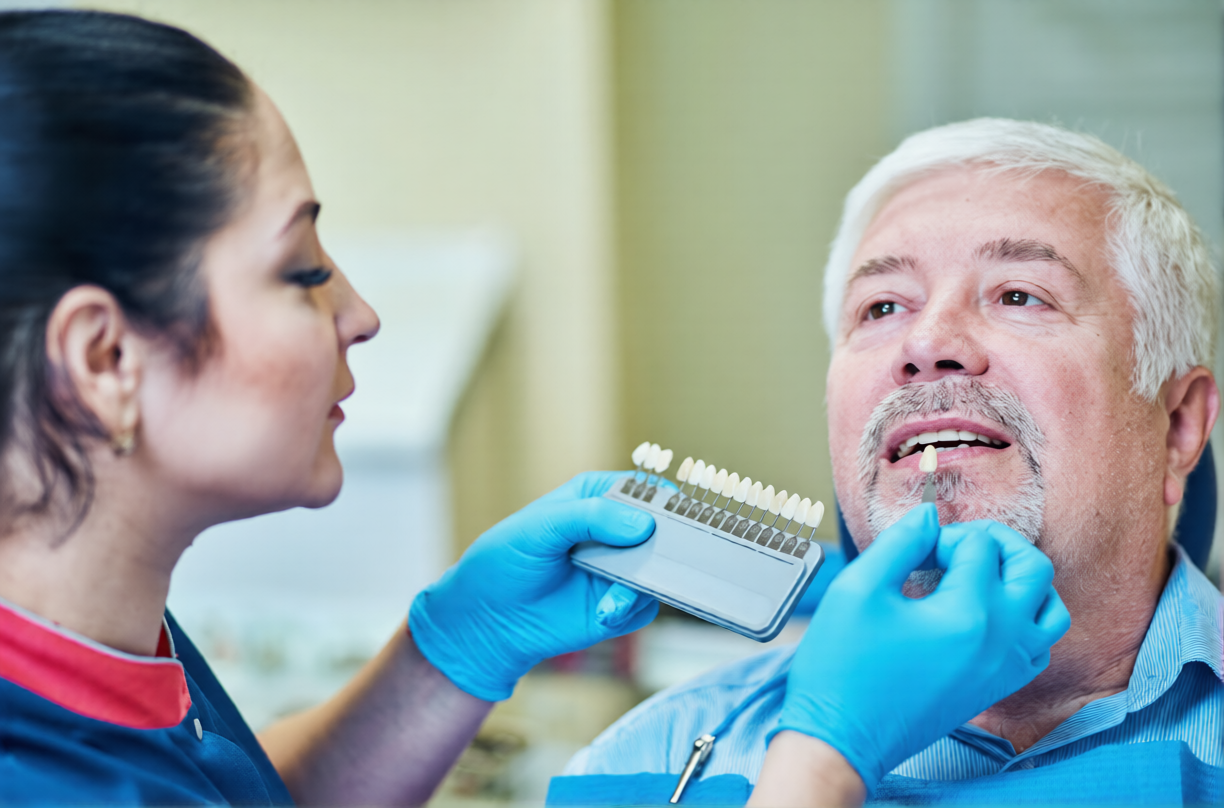
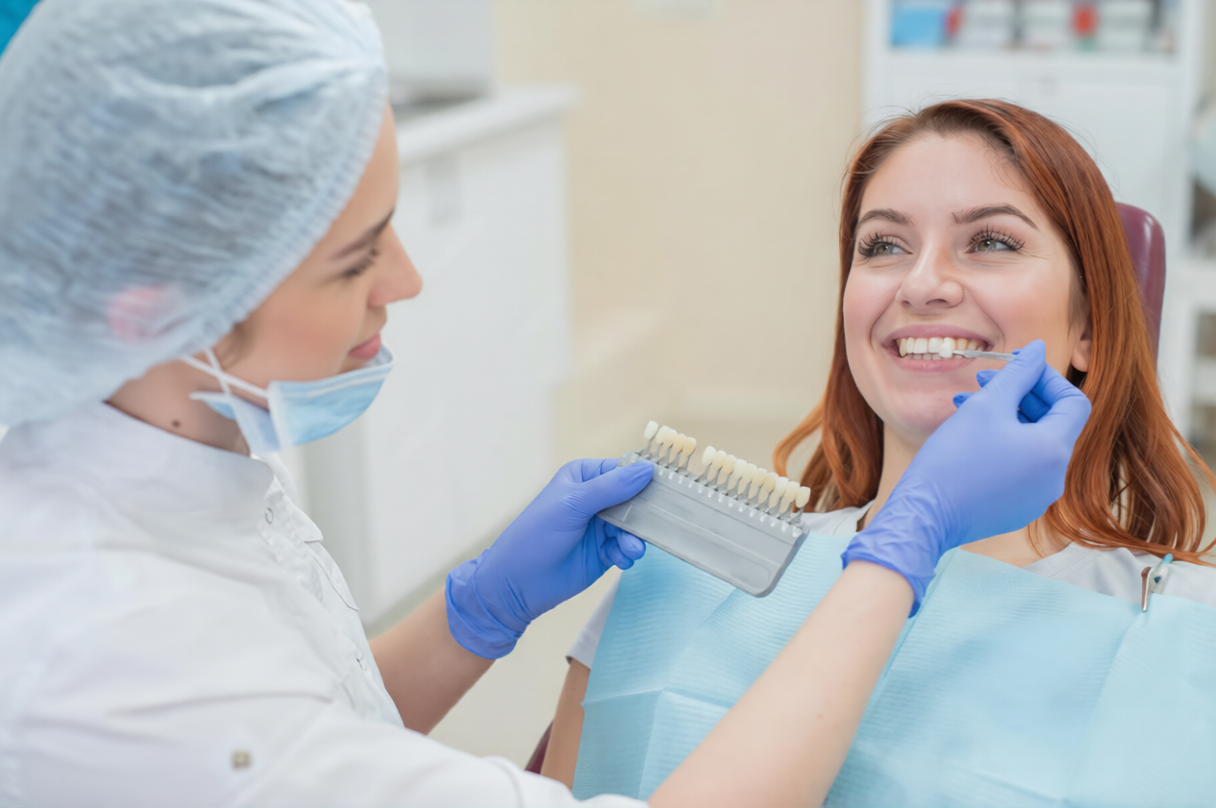
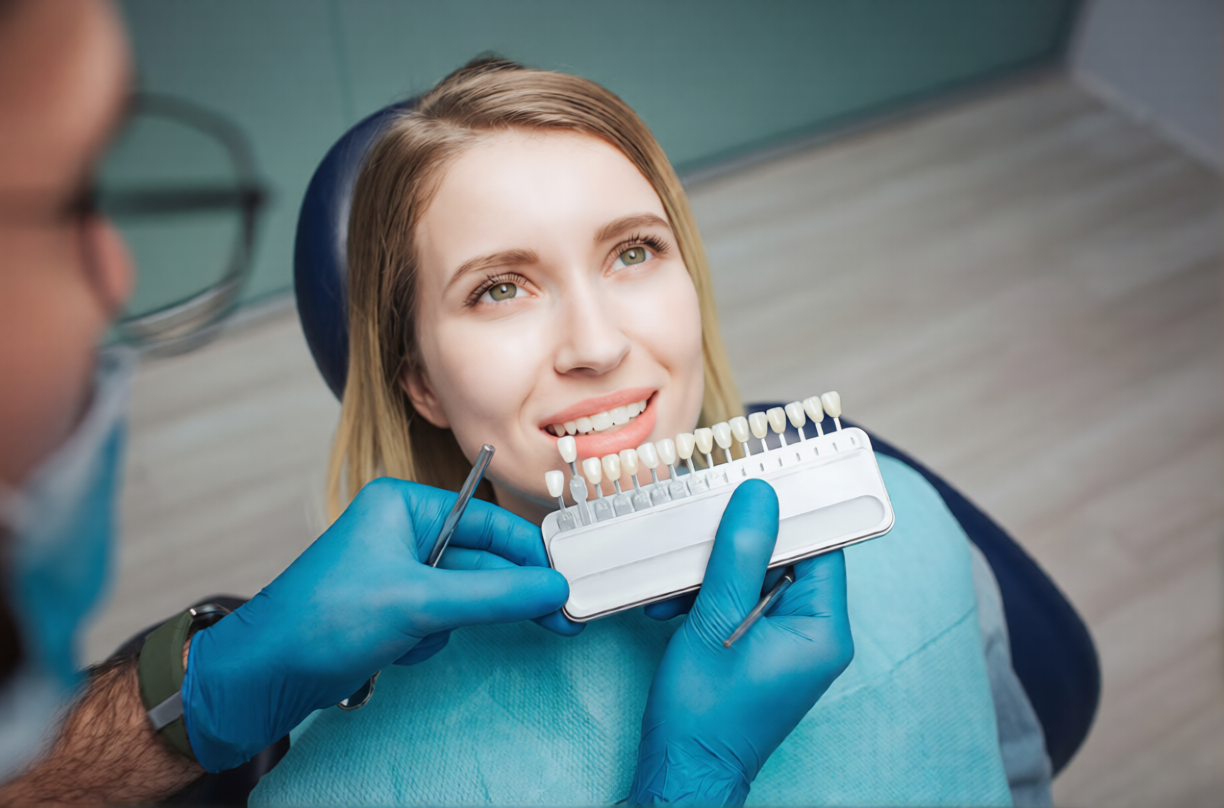
When you choose to have veneers placed, your dentist needs to prepare your natural teeth by removing a thin layer of enamel from the front surface. This preparation creates space for the veneer to fit properly and allows for a natural-looking result. The amount of enamel removed is usually between 0.3 and 0.5 millimetres, depending on the veneer type and your tooth anatomy. Understanding this veneer tooth preparation process helps you recognise that the changes cannot be reversed.
Enamel Removal and Tooth Reshaping
Enamel removal for veneers involves several specific steps that irreversibly alter your tooth structure. Your dentist uses special instruments to carefully remove the predetermined amount of enamel under local anaesthesia. This process usually takes place during one appointment for each tooth receiving a veneer.
- Creating Space:
Your dentist removes enamel to create adequate room for the veneer thickness without making your teeth appear bulky. The veneer needs to sit flush with your gum line and blend naturally with adjacent teeth. - Determining Removal Amount:
The dentist assesses your tooth anatomy, bite alignment, and veneer material type to calculate how much enamel needs removal. Individual factors like tooth position and desired outcome influence this calculation. - Surface Texture Changes:
After enamel removal for veneers, the tooth surface becomes rough and porous to help the veneer bond strongly. This textured surface provides the mechanical retention needed for a durable adhesive connection. - Irreversible Enamel Loss:
Enamel does not regenerate or grow back once removed, which makes veneer tooth preparation an irreversible change. Your body cannot produce new enamel cells after teeth have fully formed.
The prepared tooth surface may feel rough initially, and you might notice increased temperature sensitivity. Your dentist will place temporary veneers to protect your prepared teeth while the final veneers are being created.
Immediate Changes to Tooth Structure
Once your dentist completes the preparation process, your teeth look and feel noticeably different. The prepared surface appears duller and lighter in colour because the outer translucent layer has been removed. You may notice sensitivity to air, cold beverages, or touch during the temporary veneer phase.
- Surface Appearance:
Prepared teeth have a chalky, opaque appearance compared to the glossy quality of intact enamel. The exposed dentine layer is more porous and less resistant to temperature changes. - Temperature Sensitivity:
Many patients experience heightened sensitivity during the temporary veneer phase because prepared teeth lack natural insulation. This sensitivity usually reduces once final veneers are bonded. - Temporary Protection Needs:
Your dentist places temporary veneers to shield prepared teeth from sensitivity, bacterial exposure, and damage. These temporary coverings help you maintain relatively normal eating and speaking functions. - Structural Vulnerability:
Prepared teeth are more fragile than intact teeth because the strong enamel layer has been reduced. Avoiding hard or sticky foods during this phase helps prevent chips or fractures.
Understanding these immediate changes helps you prepare for the temporary adjustment period before your final veneers are ready.
How Your Natural Teeth Look and Feel Under Veneers
Once your final veneers are bonded in place, your prepared natural teeth sit underneath the porcelain or composite covering. The underlying tooth structure with veneers remains substantially intact, with the dentine, pulp, and root system continuing to function normally. Many people mistakenly believe teeth are ground down to small pegs, but this is not accurate for some veneer preparations.
- Remaining Tooth Structure:
The bulk of your tooth remains under the veneer, including the entire dentine layer. The pulp chamber containing nerves and blood vessels continues to nourish the tooth, keeping it alive and responsive. - Altered Front Surface:
The front surface has been reshaped and reduced by the enamel removed during preparation. This prepared surface serves as the foundation for veneer bonding. - Bonding Interface:
A thin layer of dental adhesive connects your prepared tooth surface to the veneer. This bonding agent creates a seal that aims to prevent bacteria and fluids from seeping between layers. - Exposed Back Surface:
The back (lingual) surface of your tooth usually remains untouched during veneer preparation. This area retains its natural enamel covering. - Maintained Tooth Vitality:
Your teeth underneath dental veneers remain living structures with active nerve tissue and blood supply. They continue to respond to stimuli, although the veneer covering may dampen some sensations.
The prepared teeth under your veneers continue to age and change over time, making proper oral hygiene and professional monitoring essential.
Long-Term Effects on Underlying Tooth Health
Teeth health under veneers changes over months, years, and decades as both your natural tooth structure and the veneers themselves age. Your prepared teeth continue to undergo normal biological processes, including microscopic fluid movement through dentine tubules and gradual wear patterns. Understanding these long-term effects helps you maintain realistic expectations about veneer outcomes.
Early Years With Veneers: 10-15 Year Considerations
During the first decade after veneer placement, your veneered teeth usually function well when properly maintained with regular oral hygiene and professional care. Many patients adapt quickly and find that initial sensitivity diminishes within weeks to months. This period represents the time when teeth health under veneers is generally more stable.
Your dentist follows specific monitoring protocols during this phase:
- Regular Examination Schedule:
Your dentist examines your veneers and underlying tooth structure at each check-up, usually every six months. They assess margin integrity, check for decay or damage, and evaluate bite patterns. - Margin Integrity Checks:
The seal between your veneer and natural tooth remains critical for preventing bacterial infiltration. Your dentist checks this seal regularly using magnification and may recommend adjustments if gaps develop. - Radiographic Assessment:
X-rays taken at appropriate intervals allow your dentist to visualise tooth structure beneath veneers. These images help detect decay or structural changes in early stages. - Bite Relationship Monitoring:
Your dentist monitors how your veneered teeth contact opposing teeth when you bite. Changes in your bite can place excessive stress on veneers or underlying teeth.
Many patients experience similar patterns during the early years:
- Initial Sensitivity Settling:
The heightened sensitivity that many patients notice after placement usually diminishes within the first few months. Your teeth adapt to altered conditions, though some patients continue to experience veneer tooth sensitivity to extreme temperatures. - Subtle Wear Development:
Veneers after 10 years may show gradual wear on biting edges or slight changes in surface lustre. These changes develop slowly and don’t necessarily indicate problems requiring immediate intervention. - Gum Tissue Changes:
Gum tissue surrounding veneered teeth may recede slightly over time, exposing the margin where the veneer meets your tooth. This recession occurs as part of normal ageing. - Functional Adaptation:
Many patients find that eating, speaking, and daily oral care feel completely normal after the initial adjustment period. You usually forget you have veneers during everyday activities when they’re functioning properly.
Knowing what represents healthy progression versus potential problems helps you know when to contact your dentist:
- Healthy Progression Signs:
Veneers that remain firmly attached, margins that stay flush with your gum line, and the absence of sensitivity during normal activities all indicate proper function. Minor wear at biting edges after several years is normal. - Problematic Progression Signs:
New or increasing sensitivity, a veneer that feels loose or moves slightly, visible gaps or dark lines at margins, or gum inflammation warrant prompt evaluation. Pain when biting or an unusual taste also requires professional assessment. - Appearance Changes:
Gradual, slight gum recession over many years is normal, but rapid recession or exposure of yellow tooth structure may indicate problems. Discolouration at margins could represent staining or decay. - Functional Changes:
Continued comfortable chewing and stable sensitivity levels indicate healthy adaptation. Increasing sensitivity or discomfort after years of normal function suggests you should schedule an examination.
Individual experiences vary based on oral hygiene consistency, dietary habits, and teeth grinding patterns. Professional monitoring helps identify developing issues before they become serious problems.
Long-Term Considerations: Ageing Teeth and Veneers
Beyond the 15-year mark, both your natural teeth and veneers undergo additional changes that may affect appearance, function, and structural integrity. The long-term veneer outcomes depend heavily on accumulated wear, maintenance quality, and biological changes. Being aware of these considerations helps you plan for the ongoing investment that veneered teeth represent.
- Cumulative Gum Recession:
Gum tissue usually continues to recede with age, progressively exposing more of the veneer margin. This recession can create a visible line where the veneer meets your natural tooth. - Veneer Material Wear:
Porcelain or composite materials gradually wear down from years of biting forces and grinding. Veneers after 10 years or more may show thinning at stress points or increased fracture risk. - Underlying Tooth Changes:
Your prepared teeth continue ageing beneath veneers, with potential changes in tooth colour and dentine structure. These changes occur slowly but accumulate over decades. - Multiple Replacement Impact:
When veneers require replacement, your dentist must remove the existing veneer and often needs to prepare the tooth further. Each replacement cycle can result in additional tooth structure loss. - Bite Pattern Evolution:
Your bite relationship may change over decades due to tooth wear, shifting, or jaw position changes. These alterations can place new stresses on veneers. - Colour Matching Challenges:
Natural teeth usually darken with age, but veneers maintain their original colour. This difference can create a mismatch over time.
Many patients find that their veneers need replacement after 15-20 years, though experiences vary. The veneer longevity you experience depends on factors largely within your control, such as oral hygiene diligence and dietary choices. Regular professional monitoring provides the oversight needed to address problems promptly.
Can Teeth Decay Under Veneers?
One common misconception is that veneers protect teeth from decay, but this is not accurate. The veneer material itself cannot decay because bacteria cannot metabolise these substances. However, your natural tooth structure under and around the veneer remains vulnerable to bacterial acid attack and can develop cavities. Knowing how cavity under veneer formation occurs helps you take appropriate preventive measures.
Why Veneers Don’t Prevent Tooth Decay
The veneer covers only the front surface of your tooth, leaving the back surface, sides, and root areas exposed to the oral environment. Bacteria can accumulate on these exposed surfaces and produce acids that demineralise your tooth enamel and dentine. The margin where your veneer meets your natural tooth represents a particularly vulnerable area because bacteria can accumulate in this junction.
When you have veneers, some areas around veneered teeth may be more difficult to clean effectively with brushing and flossing alone. The back surface of your veneered teeth receives the same bacterial exposure as any natural tooth. The prepared tooth under your veneer has less protective enamel than originally, which theoretically could make it more susceptible to decay if bacteria penetrate the bonding interface. Breakdown of the bonding seal over time represents the primary pathway for cavity under veneer development.
Early Warning Signs and Detection
Detecting tooth decay beneath veneers presents challenges because the veneer covers the area where decay might be developing. Unlike decay on natural teeth that you might notice visually, decay under a veneer often produces no obvious signs until it has progressed significantly. This is why regular professional dental examinations are essential.
- Increased Sensitivity:
You might notice heightened sensitivity to sweet foods, temperature changes, or pressure when biting. This sensitivity can indicate that decay has progressed deep enough to approach nerve tissue. - Veneer Loosening:
A veneer that feels loose or moves slightly may indicate that decay has compromised the bonding or undermined the tooth structure. This loosening represents an advanced stage requiring immediate dental attention. - Discolouration at Margins:
Dark lines, grey shadows, or brown staining visible along the edge where your veneer meets your gum line may suggest decay. However, not all margin discolouration indicates decay. - Unusual Taste or Odour:
A persistent unpleasant taste or odour around a specific veneered tooth can sometimes indicate bacterial activity or decay beneath the veneer. - Pain When Biting:
Discomfort or pain when you bite down on a veneered tooth might suggest decay has reached deeper tooth structures. This pain usually worsens as decay progresses.
Your dentist uses various methods to detect potential problems beneath veneers, including visual examination, light probing, radiographs (X-rays), and sometimes transillumination. Regular six-month check-ups provide opportunities for your dentist to identify problems early when treatment is usually less extensive. If you notice any warning signs, schedule a dental examination promptly.
Structural Changes and Tooth Sensitivity
The removal of enamel during veneer tooth preparation irreversibly changes how your tooth responds to temperature, pressure, and other stimuli. Enamel serves as an insulating barrier that protects the more sensitive dentine and pulp tissues beneath it. Understanding what happens to your natural teeth when you have veneers includes recognising that when this protective layer is reduced, nerve endings in dentine tubules may become more easily stimulated.
- Amount of Enamel Removed:
Patients who have minimal enamel reduction usually experience less sensitivity than those requiring more extensive preparation. The depth of preparation influences how close the veneer placement comes to the living pulp tissue. - Individual Pain Threshold:
People naturally vary in their sensitivity to dental stimuli. Your baseline sensitivity level influences how much sensitivity after veneers you’re likely to experience. - Preparation Technique:
The method and instruments your dentist uses during preparation can influence post-treatment sensitivity. Excessive heat generation or damage to dentine tubules may increase sensitivity. - Bonding Quality:
A well-sealed bonding interface helps reduce sensitivity by preventing fluid movement through exposed dentine tubules. Defects in this seal may allow stimuli to reach nerve endings more easily. - Pre-existing Sensitivity:
If you had sensitive teeth before veneer placement, you may be more likely to experience ongoing sensitivity afterwards.
Many patients find that initial sensitivity following veneer placement gradually diminishes over several weeks as their teeth adapt. The pulp tissue may form secondary dentine that provides additional insulation. However, some patients continue to experience sensitivity after veneers long-term, particularly with very cold or very hot items.
- Adaptation Timeline:
Sensitivity usually peaks in the first few days to weeks and gradually improves over 1-3 months. Your nervous system may adapt to altered sensory input. - Temperature Extremes:
Cold beverages or very hot drinks may continue to cause brief, sharp sensations even after the initial adaptation period. Many patients learn to modify their consumption patterns. - Bite Pressure Sensitivity:
Some patients notice discomfort when biting firmly on veneered teeth. Your dentist can adjust the veneer height if bite pressure consistently causes discomfort.
Managing ongoing sensitivity may involve using desensitising toothpaste. Your dentist can apply professional-strength treatments if over-the-counter products don’t provide adequate relief.
The Irreversible Nature of Veneer Placement
Reversing veneers is not an option once your dentist has removed enamel during the preparation process. Enamel cannot regenerate because your body ceases to produce the specific cells that create it once your teeth have fully formed. The enamel layer you have as an adult is all you’ll ever have. Once this protective layer is removed for veneer placement, your teeth will always require some form of covering.
If you decide to have your veneers removed, your natural teeth after veneer removal will appear discoloured, rough-textured, and sensitive to temperature and touch. Your options include having new veneers fabricated, receiving dental crowns that cover the entire tooth, or accepting the appearance of exposed prepared teeth. Each option involves cost, time, and may require additional tooth preparation. The commitment to veneers extends beyond initial placement to include ongoing maintenance and eventual replacements throughout your life.
Maintaining Tooth Health With Veneers
Teeth health under veneers depends significantly on your daily oral hygiene practices and professional dental care consistency. Veneered teeth require diligent cleaning to prevent decay, gum disease, and veneer damage. Your care routine needs to address both the veneer surfaces and the critical junction where the veneer meets your natural tooth.
Daily Care Requirements
Establishing a thorough daily oral hygiene routine helps protect your natural tooth structure and may support veneer longevity. The techniques you use to clean around veneers differ slightly from caring for natural teeth because you need to pay special attention to veneer margins, where bacteria accumulate.
- Proper Brushing Technique:
Brush twice daily using a soft-bristled toothbrush and fluoride toothpaste, paying particular attention to the gum line where veneers meet your natural teeth. Hold your brush at a 45-degree angle and use light circular motions. - Flossing Approach:
Daily flossing remains essential for addressing plaque and food particles from between veneered teeth and along margins. Use a careful sawing motion to slide floss between teeth, then curve it against each tooth surface. - Margin Cleaning:
The junction where your veneer meets your gum line requires extra attention because bacteria can accumulate in this area. Some patients find interdental brushes or water flossers helpful for cleaning these critical zones. - Product Selection:
Choose non-abrasive toothpaste without harsh whitening agents that could scratch veneer surfaces. Avoid toothpastes containing activated charcoal or highly abrasive ingredients. - Habit Modifications:
Avoid using your veneered teeth to bite hard objects like ice, pen caps, or fingernails. These habits can chip or crack veneers and may damage underlying tooth structure.
Common mistakes that compromise teeth health under veneers include using aggressive brushing pressure, neglecting to floss daily, and consuming staining substances without rinsing afterwards. Some patients also assume veneered teeth need less care than natural teeth, when they require equal or greater attention.
Professional Monitoring and Check-Ups
Regular professional dental examinations and cleanings play a vital role in maintaining the health of your natural teeth beneath veneers. Your dentist can identify developing problems you might not notice yourself. Many dental professionals recommend check-ups every six months for patients with veneers.
- Veneer Integrity Assessment:
Your dentist examines each veneer for cracks, chips, wear patterns, or signs of loosening. They check whether veneers remain firmly attached and whether margins maintain a proper seal. - Margin Evaluation:
Careful inspection of the junction where veneers meet your natural teeth helps identify gaps or areas where bacteria may be infiltrating. Your dentist uses magnification and special instruments to detect problems. - Decay Detection:
Radiographs (X-rays) taken at appropriate intervals allow your dentist to visualise tooth structure beneath veneers and identify tooth decay beneath veneers that may not be visible externally. - Gum Health Monitoring:
Your dentist assesses the gum tissue surrounding veneered teeth for signs of inflammation, recession, or disease. Gum health directly affects how long veneers may last. - Bite Analysis:
Regular evaluation of how your veneered teeth contact opposing teeth helps identify excessive wear patterns. Your dentist may recommend a night guard if you grind your teeth.
Professional cleanings clear plaque and tartar accumulation that brushing and flossing alone cannot eliminate. Your dental professional uses special instruments designed to clean around veneers without scratching them.
When Veneers Need Replacement: What Happens to Your Teeth
Eventually, many veneers require replacement due to wear, damage, or changes in the underlying tooth or gum tissue. The long-term veneer outcomes for patients usually include at least one or two replacement cycles over their lives. Being aware of what happens during replacement helps you prepare for this eventual necessity.
- Wear and Ageing:
Veneers may show thinning, surface wear, colour changes, or damage after many years of use. Normal biting forces gradually wear down the veneer material, particularly along edges. - Margin Deterioration:
The seal between your veneer and natural tooth may break down over time, allowing bacterial penetration or creating visible gaps. This deterioration can result from natural ageing of the bonding agent or gum recession. - Underlying Tooth Changes:
Decay development beneath or around the veneer, fractures in prepared tooth structure, or changes in tooth colour may necessitate replacement. These issues require addressing before placing a new veneer. - Aesthetic Concerns:
Gum recession may expose the veneer margin, creating a visible line that affects your smile’s appearance. Changes in remaining natural teeth may create colour mismatches. - Structural Failure:
Veneers may chip, crack, or detach completely due to trauma, excessive biting forces, or bonding failure. These failures usually require immediate replacement.
When replacement becomes necessary, your dentist must carefully remove the existing veneer without damaging underlying tooth structure more than necessary. However, some additional tooth preparation usually occurs because your dentist needs to eliminate damaged areas and create a fresh surface for the new veneer. Each replacement cycle, therefore, results in cumulative tooth structure loss over your life.
Veneers vs Tooth Health: Making a Decision
Deciding whether veneers are appropriate requires weighing cosmetic benefits against irreversible structural changes to your natural teeth. Not everyone represents an ideal candidate, and some people may be served better by alternative treatments. Understanding key factors helps you determine whether this treatment aligns with your oral health goals and lifestyle.
Several factors influence whether veneers may be suitable for your circumstances:
- Sufficient Enamel Thickness:
Candidates for veneers need adequate enamel on the front surface of their teeth to allow for preparation. People with naturally thin enamel or previous enamel loss may not be suitable candidates. - Good Overall Oral Health:
Healthy gums, absence of active decay, and consistent oral hygiene habits represent important prerequisites for veneer success. Existing dental problems usually require treatment before veneer placement can be considered. - Realistic Expectations:
Understanding that veneers require ongoing maintenance, eventual replacement, and carry some risk helps promote informed decision-making. Patients expecting specific outcomes or decades of maintenance-free results may face disappointment. - Stable Bite Patterns:
People with severe teeth grinding, jaw clenching, or significant bite misalignment may experience premature veneer failure. These issues often require management before veneers can succeed long-term. - Commitment to Care:
The willingness to maintain thorough oral hygiene, attend regular check-ups, and modify certain habits influences veneer longevity. Patients unable or unwilling to commit to ongoing care may not be good candidates.
Before making a decision, discuss these important questions with your dentist:
- Long-Term Health Effects:
Ask how irreversible enamel removal affects tooth sensitivity, decay risk, and future treatment options throughout your life. Understanding these impacts helps you weigh the cosmetic benefits against structural changes. - Replacement Considerations:
Discuss the cumulative impact of multiple replacement cycles and what happens when teeth can no longer support veneers. This conversation helps you understand the long-term commitment involved. - Removal Outcomes:
Understand what your teeth will look and feel like without veneers and what options exist if you discontinue having them. This knowledge prepares you for the irreversible nature of the decision. - Maintenance Requirements:
Get specific information about daily care requirements, professional monitoring frequency, and potential complications that may arise. Understanding the ongoing commitment helps you assess whether veneers suit your lifestyle.
Alternative treatments may address your concerns whilst preserving more natural tooth structure:
- Teeth Whitening:
Professional whitening can address tooth discolouration without requiring any removal of tooth structure. This reversible option may suit patients whose primary concern is tooth colour rather than shape or alignment. - Orthodontic Treatment:
Braces or clear aligners can address tooth positioning and alignment issues without removing enamel. This approach addresses structural problems rather than simply covering them with restorations. - Dental Bonding:
Composite resin bonding can improve tooth appearance with minimal or no tooth preparation in some cases. Though less durable than veneers, bonding offers a more conservative initial approach. - Accepting Natural Teeth:
Some patients ultimately decide that their natural teeth, even with issues, represent a better choice than committing to maintenance throughout life. This decision honours personal values around preserving natural tooth structure.
The decision about veneers is highly personal and should be based on a thorough discussion with a qualified dental practitioner. Only through professional assessment can you determine whether veneers represent an appropriate choice for your individual circumstances.
Final Thoughts
Veneers can provide significant aesthetic improvements for many patients, but they require irreversible alterations to your natural tooth structure. Understanding what happens to your natural teeth when you have veneers—from initial enamel removal through decades of wear and potential replacements—helps you decide whether this treatment is right for you. Key points include the irreversible nature of enamel removal, ongoing vulnerability to decay despite veneer covering, and eventual need for replacement.
The long-term veneer outcomes you experience may depend on many factors, including your oral hygiene diligence, lifestyle habits, and bite patterns. Proper care may help extend how long veneers last, but complications can occur despite thorough maintenance. No dentist can specify exact timeframes for veneer durability, as individual experiences vary widely.
Determining whether veneers are right for you requires a thorough consultation with a qualified dental practitioner who can assess your specific circumstances. If you’d like to explore whether veneers are appropriate for your situation, you can contact Willeri Dental Parkwood to arrange a consultation. We can discuss your concerns, examine your teeth, and explain your options in detail.