Veneer shade and shape are chosen based on your skin tone, facial features, and cosmetic goals using the 16-shade Vitapan Classic guide at a consultation. The shade cannot be changed after bonding. Overly bright shades may appear artificial. Any surgical or invasive procedure carries risks. Before proceeding, you should seek a second opinion from an appropriately qualified health practitioner.
Summary of the Content:
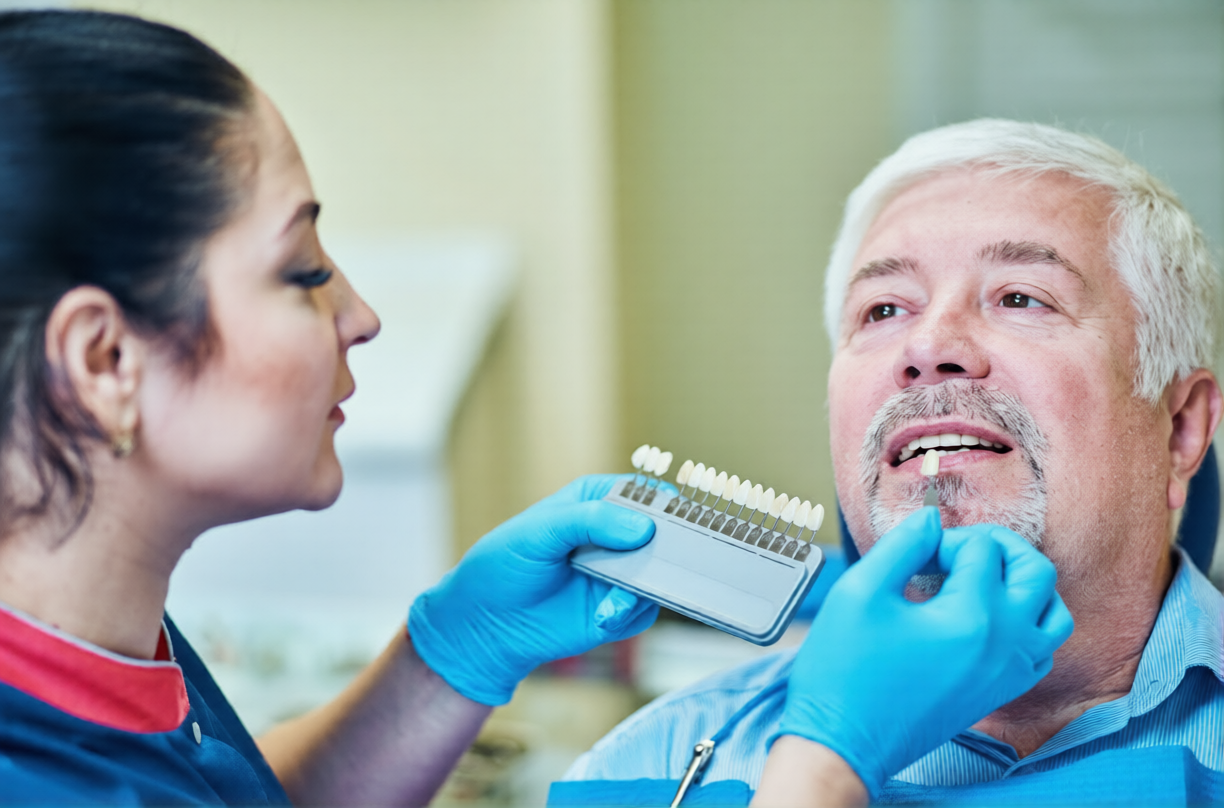
- Shade is selected using the Vitapan Classic shade guide, which features 16 shades across four colour families. Your dentist assesses your skin tone, eye colour, and adjacent teeth to determine which shade may suit your features.
- Face shape influences tooth shape choice. Round faces may suit longer shapes, while square jawlines may benefit from softer, rounded edges.
- Whitening should be completed before veneer impressions are taken. Veneers cannot be whitened after placement, so any desired lightening must occur first.
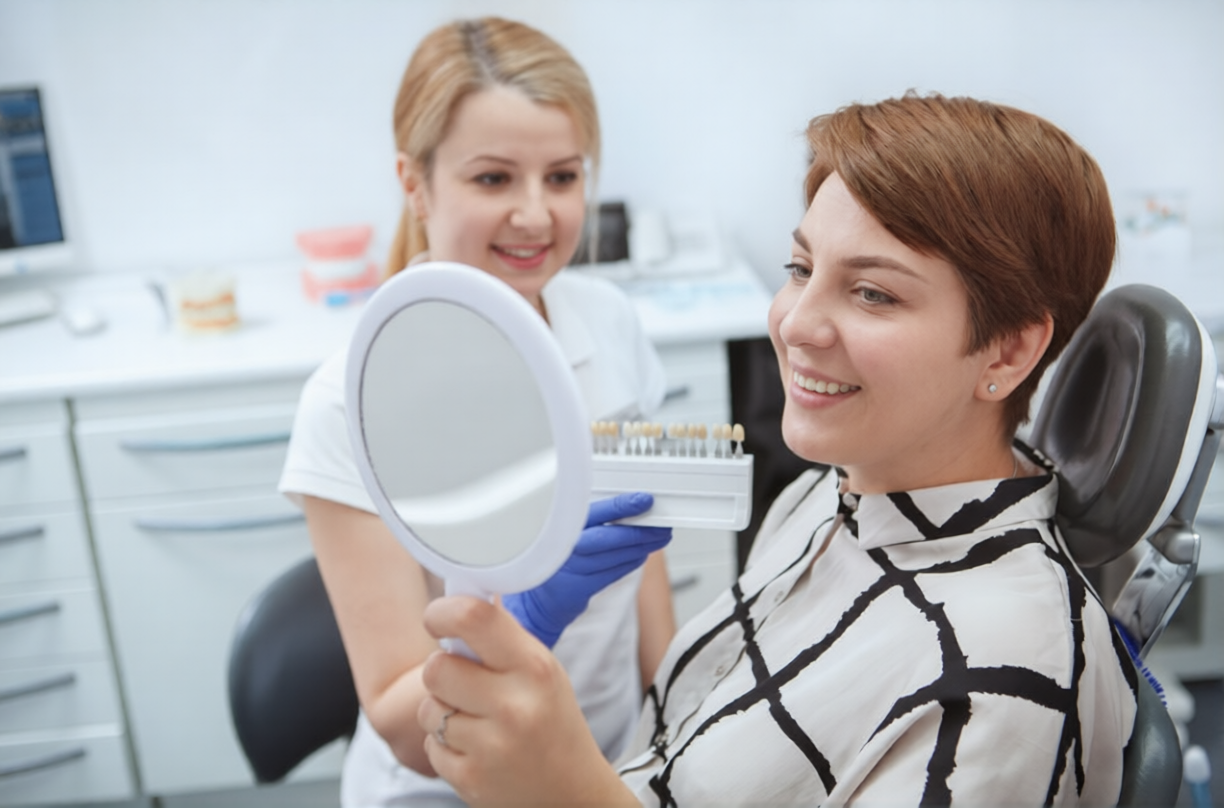
- Digital Smile Design allows you to preview your proposed shade and shape digitally before treatment begins. A physical mock-up can also be applied.
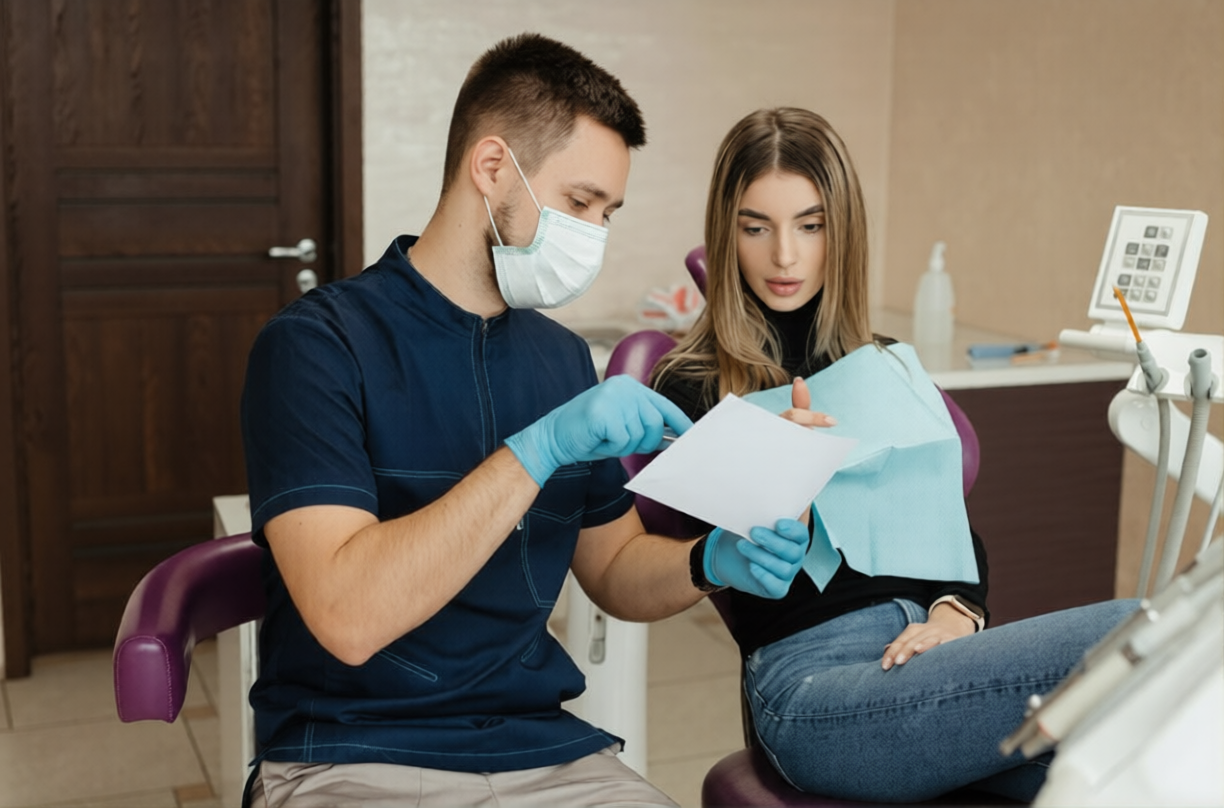
- A clinical consultation is required to assess suitability, discuss goals, and create a personalised treatment plan.
What Determines the Right Shade for Your Veneers?
The right veneer shade is determined by three core factors: your skin tone, the whiteness of your eyes (sclera), and the colour of your adjacent natural teeth. Your dentist assesses shade using the Vitapan Classic clinical shade guide at your consultation, which features 16 shades across four colour families plus three additional bleach shades.
Shade selection follows a systematic clinical process:
- Shade guide assessment:
Dental laboratories use the Vitapan Classic shade guide. It includes 16 shades across four colour families: A (reddish-brown), B (reddish-yellow), C (grey), and D (reddish-grey). Three additional BL bleach shades (BL1, BL2, BL3) extend the range for whitened teeth. - Eye whites reference technique:
Your dentist may match veneer brightness to your sclera (the whites of your eyes). This approach provides a natural upper limit. Shades brighter than your eye whites can appear unnaturally bright. - Skin tone considerations:
Warmer skin tones may suit slightly warmer, ivory-adjacent shades. Cooler complexions may suit brighter, whiter tones. Your dentist assesses this alongside your existing tooth colour at the consultation. - Adjacent natural teeth:
If you’re getting veneers on only some teeth, the shade is selected to visually blend with your remaining natural teeth. This creates visual consistency across your smile. - Lighting assessment:
Shade is usually assessed in natural daylight. Artificial lighting can distort how colours appear. Your dentist may ask you to review shade options near a window. - Your cosmetic goals:
Your preferences guide the final decision. Some patients prefer a subtle enhancement; others want a brighter transformation. The dentist balances your goals with what may suit your features.
Porcelain veneers cannot be whitened after bonding. Traditional whitening agents do not affect porcelain. The shade you choose during planning is set at the time of placement and cannot be altered without replacing the veneer. This is why whitening your natural teeth should be completed before veneer impressions are taken if you want a brighter baseline.
Ultra-white, opaque shades can appear artificial for some patients. The clinical priority is shade compatibility with your natural colouring, not maximum brightness.
How Is Shade Different for Porcelain vs Composite Veneers?
The material used for your veneers affects how shade is selected and maintained.
- Porcelain Veneers:
Porcelain veneers are custom-fabricated in a dental laboratory from impressions of your teeth. Your dentist selects the shade collaboratively with the ceramist using the shade guide. Porcelain allows for translucency layers that mimic natural enamel depth. These veneers are highly stain-resistant after placement. - Composite Veneers:
Composite veneers use tooth-coloured resin applied directly to your teeth. Your dentist selects and mixes the shade chairside during the appointment. For suitable cases, treatment may be completed in a single visit, depending on the number of veneers and clinical requirements. Composite is less stain-resistant than porcelain over time. The shade may shift slightly with age.
For patients wanting significant whitening, whitening the natural teeth first matters more for composite veneers. Your dentist colour-matches the resin to your desired final shade on the day of treatment. If your teeth lighten later, a mismatch can occur between the composite and your natural teeth.
How Does Face Shape Influence Veneer Design?
Face shape, facial proportions, and your smile line all inform veneer tooth shape selection. There is no universal shape that suits everyone. The goal is proportional balance that complements your individual features, assessed during your smile design consultation at Willeri Dental Parkwood.
Face Shape and Veneer Design Guide
- Round face:
Slightly longer, more defined tooth shapes can add visual length and structure. - Oval face:
Many tooth shapes may work well for oval faces, as natural proportions tend to be balanced. - Square or strong jawline:
Softer, rounded tooth edges can balance angular facial features. - Heart-shaped face:
Rounded veneers that follow the natural smile curve tend to suit. - Long or narrow face:
Slightly wider or shorter veneers can add visual fullness to the lower face.
Asymmetry and Lip Line Considerations
Small variations in tooth shape and alignment can help veneers appear natural rather than overly uniform. A very symmetrical smile can sometimes appear stiff or artificial. Your dentist also assesses upper lip movement, gum display, and how much tooth is visible when speaking. These factors inform proportional balance beyond the teeth themselves.
What Tooth Shapes Are Available for Veneers?
Common veneer tooth shapes include squared (adds structure, may suit angular faces), oval (soft and versatile), tapered (natural narrowing towards edges, may suit longer teeth), and rounded (soft curves, may suit softer facial features).
Shape Preferences and Patient Input
Squared shapes with defined edges have traditionally been associated with a more structured appearance. Rounder, softer shapes with subtle edge detail may suit patients wanting a softer aesthetic. These are preferences, not clinical rules. Your input at the consultation guides the final decision.
Edge Translucency
The way light passes through tooth tips affects how natural veneers appear. Porcelain with layered translucency at the incisal edges mimics natural enamel more closely than flat, opaque designs. This detail contributes to depth and realism in the final result.
Should You Whiten Your Teeth Before Getting Veneers?
Yes — if whitening is desired, it should be completed before veneer impressions are taken, so the shade can be matched to your new, lighter baseline. Veneers cannot be whitened after placement. Whitening after veneer treatment creates a visible mismatch, as only your natural teeth will lighten while the veneers remain unchanged.
Why Order Matters
Veneers are colour-matched to your natural teeth at the time of impression. If you whiten after veneer placement, only the natural teeth lighten. The veneers remain unchanged. This creates a visible shade difference between your veneers and the surrounding teeth.
The Two-Week Stabilisation Period
Teeth whitening can cause temporary shade variability. A waiting period of approximately two weeks after completing whitening allows the shade to stabilise before impressions are taken for porcelain veneers. This allows the final veneer shade to be matched to your stable, post-whitening tooth colour, rather than a temporary shade that may shift.
Not All Patients Need to Whiten First
If your desired veneer shade closely matches your current tooth colour, whitening before treatment may not be necessary. This is assessed during your smile design consultation at Willeri Dental Parkwood. Some patients prefer a subtle enhancement rather than significant brightening.
Composite Veneers and Whitening
The dentist colour-matches composite resin chairside at your appointment. Whitening before composite veneer treatment follows the same logic — the resin is mixed to match your preferred shade on the day. If you whiten later, a mismatch can occur between the composite and your natural teeth.
What Is Digital Smile Design, and How Does It Help You Choose?
Digital Smile Design (DSD) is a digital planning process that allows you to preview your proposed veneer shade, shape, and proportion on your own face before any treatment begins. A physical mock-up can then be applied to your teeth, allowing you to assess the proposed shade and shape in everyday situations before the final veneers are fabricated.
How Digital Smile Design Works
Digital Smile Design involves taking detailed photographs, digital scans, and facial proportion measurements to create a digital preview of your proposed smile. You can view the proposed shade and shape on your own face — not a generic template — before any enamel preparation occurs.
What Is Assessed During Digital Smile Design
Your dentist evaluates several factors during the digital planning process:
- Facial proportions and midline symmetry
- Lip line position and movement
- Tooth length and width ratios
- Smile arc and curvature
- How the proposed veneers will interact with the rest of your face
This assessment is designed to support proportional balance between your teeth and facial features.
The Physical Mock-Up
A physical version of the digital design can be applied to your teeth using temporary material. You can wear it for a period, speak with it, and review it in natural lighting before providing feedback. Adjustments are made before the final veneers are fabricated. This step allows you to experience how the proposed design feels and looks in everyday situations.
Patient Involvement in the Design Process
Digital Smile Design and the mock-up phase place you as an active participant in the design process. Shade and shape decisions are made collaboratively with your dentist, not imposed. Your preferences and feedback guide the final treatment plan.
Willeri Dental Parkwood uses Digital Smile Design as part of its veneer consultation process for suitable cases.
Frequently Asked Questions
Here are answers to some common questions Parkwood patients ask about veneer shade and shape selection and the smile design process at Willeri Dental Parkwood.
How do dentists decide which veneer shade to use?
Dentists assess shade using a clinical tool called the Vitapan Classic shade guide. The process involves evaluating your skin tone, eye colour, the whiteness of your sclera, and the colour of your adjacent natural teeth. This multi-factor assessment is designed to identify which shade may suit your individual features.
The shade selection process usually follows these steps:
- Your dentist evaluates your skin tone and undertone (warm, cool, or neutral) to determine which shade family may complement your natural colouring.
- The whiteness of your sclera (eye whites) is used as a reference point. Shades brighter than your sclera can appear unnaturally bright.
- Your adjacent natural teeth are assessed, particularly if veneers will be placed on only some teeth. The shade must blend with the surrounding teeth.
- Shade is reviewed in natural daylight lighting, as artificial lighting can distort how colours appear. You may be asked to review options near a window.
- Your aesthetic goals and preferences guide the final decision. Shade selection is collaborative, not dictated.
At Willeri Dental Parkwood, shade is assessed as part of the smile design consultation before any treatment begins.
What is the whitest veneer shade available?
The whitest shades available are the BL (bleach) shades — BL1 being the brightest — which were introduced to the Vitapan shade guide after professional teeth whitening became widespread. These shades are brighter than the whitest naturally occurring tooth shade and extend the clinical range for patients who have whitened their teeth.
The BL bleach shades include the following:
- BL1: This is the brightest shade in the Vitapan guide, brighter than any naturally occurring tooth colour.
- BL2: This is a slightly warmer, less intense bleach shade that sits between BL1 and BL3.
- BL3: This is the least bright of the BL shades, closer to the whitest natural shades but still brighter than A1.
Shades this bright can appear unnatural for some patients, depending on their skin tone and facial features. What appears bright and appealing on one person may appear overly opaque or artificial on another. Your dentist will advise on whether a BL shade suits your individual appearance during the consultation.
The whitest available shade is not always the appropriate choice. Shade balance with your natural features is the clinical priority, not maximum brightness. Ultra-white veneers can draw attention to themselves rather than integrating naturally with your smile and face.
Can I change my veneer shade after it is placed?
No, veneers cannot be whitened or altered in shade after bonding. Traditional whitening agents do not affect porcelain or composite veneer material. The shade chosen at the time of placement cannot be changed until the veneers are replaced, which usually occurs many years later.
How different veneer types respond to whitening:
- Porcelain veneers:
These are not responsive to bleaching agents. Whitening products work on natural tooth enamel but do not penetrate or lighten porcelain. The shade selected during treatment planning remains unchanged for the life of the veneer. - Composite veneers:
These are also not responsive to whitening after placement. Your dentist may be able to partially refresh the surface through professional polishing, but the underlying shade cannot be altered.
Whitening your natural teeth after veneer placement will create a shade mismatch when you have veneers on some teeth and natural teeth elsewhere. Only the natural teeth will lighten, while the veneers remain the same colour.
The decision to have whiter teeth should be made before veneer impressions are taken. You can either choose a lighter veneer shade during planning or whiten your natural teeth first, then match the veneers to your new baseline.
The consultation at Willeri Dental Parkwood is the appropriate time to discuss shade goals before any commitment to treatment.
How many veneers do I typically need for a smile makeover?
The number of veneers depends on how many teeth are visible when you smile. Full-arch veneer treatments commonly address the upper front six, eight, or 10 teeth, determined by the width of your natural smile. The number required varies significantly between patients based on individual smile characteristics and aesthetic goals.
Some patients require veneers on a single tooth to match adjacent teeth or address a specific cosmetic concern. Others choose a full arch for a comprehensive smile redesign. Your dentist evaluates several considerations when planning treatment:
- Smile width:
The number of teeth visible when you smile fully determines the treatment area. A broader smile may reveal 10 or more upper teeth, while a narrower smile may show only six. - Upper vs lower teeth:
Many patients choose veneers for upper teeth only, as lower teeth are often less visible when smiling. Lower veneers may be recommended when lower teeth are prominent or mismatched in shade. - Cosmetic goals:
A single discoloured or chipped tooth may require one veneer, while a comprehensive treatment plan may involve multiple teeth on both arches.
A personalised treatment plan at Willeri Dental Parkwood outlines the number of veneers recommended for your specific goals and dental situation.
How long does a smile design consultation take at Willeri Dental Parkwood?
Initial smile design consultations at Willeri Dental Parkwood are a detailed assessment that often takes longer than a routine check-up. The appointment involves reviewing your cosmetic goals, examining your teeth and gum health, taking digital records, and discussing treatment options, including veneer shade, shape, and number.
What happens during the consultation:
- Cosmetic goal discussion:
Your dentist asks about the specific aspects of your smile you’d like to address and what outcomes you’re hoping to achieve. - Clinical examination:
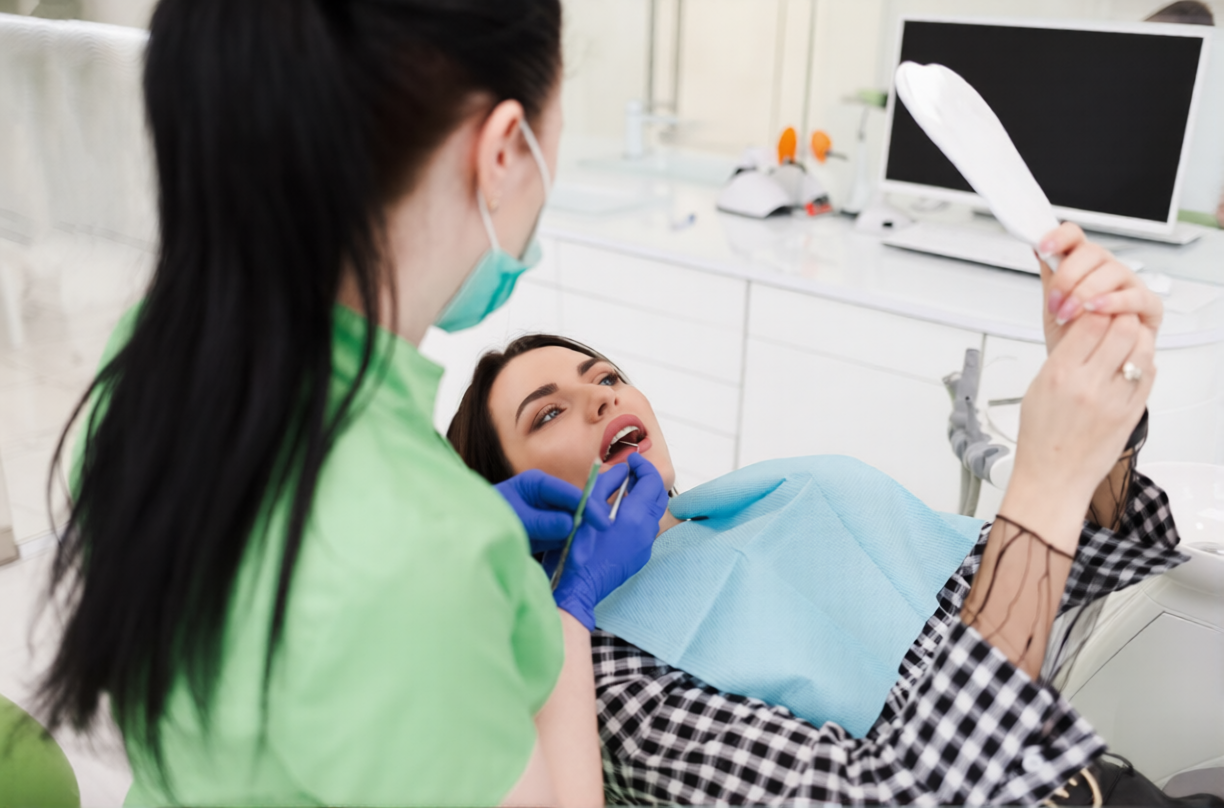
Your teeth, gums, bite alignment, and oral health are assessed to determine whether veneers are suitable and if any preparatory treatment is required. - Digital records:
Photographs, digital scans, and facial proportion measurements may be taken to support treatment planning and shade selection. - Treatment planning:
Your dentist explains the proposed veneer design, number of teeth involved, shade and shape options, and the treatment timeline.
Patients are encouraged to bring photos of smiles they find appealing as a reference point for the discussion. This helps your dentist understand your aesthetic preferences and guides the design process.
Patients in Parkwood and the surrounding southern suburbs — including Canning Vale, Riverton, and Willetton — can contact Willeri Dental Parkwood to arrange a consultation.
Final Thoughts
Choosing the right veneer shade and shape is a clinical and aesthetic process that accounts for your skin tone, facial features, natural teeth, and cosmetic goals. The shade you select will remain unchanged for the life of the veneer, as porcelain and composite materials cannot be whitened or altered after bonding. This makes the consultation and planning phase critical to supporting a clear understanding of treatment goals, options, and limitations before any commitment is made.
Digital tools such as the Vitapan shade guide and Digital Smile Design allow you to visualise shade and shape options before treatment begins. These tools provide a preview of how the proposed design may suit your facial features, giving you a clearer picture of what to expect before any commitment is made. Any surgical or invasive procedure carries risks. Before proceeding, you should seek a second opinion from an appropriately qualified health practitioner.
If you’re considering veneers and would like to explore which shade and shape may suit your teeth, contact Willeri Dental Parkwood to arrange a smile design consultation. The clinic serves patients in Parkwood and the surrounding southern suburbs, including Canning Vale, Riverton, and Willetton.
Author Attribution
Written by Dr Meheransh Chopra, General Dentist
Dr Meheransh Chopra is a registered general dentist at Willeri Dental Parkwood with more than 12 years of clinical experience, having completed his Bachelor of Dental Science at the University of Western Australia in 2009. He has a special interest in smile design, implant treatment, and aesthetic dental procedures, and is a member of the Australian Dental Association and the UWA Dental Alumni Association. Dr Chopra is registered with the Australian Health Practitioner Regulation Agency (AHPRA Registration: DEN0001372159).