Discovering a chip or crack in your veneer can be concerning, particularly when you have invested in your smile. You may have concerns about how the damage affects your appearance and which treatment options are available. Understanding why veneers crack or chip can help you take steps to protect your cosmetic dental treatment. While veneer damage is understandably concerning, various management approaches may be available depending on the specific circumstances.
Veneers are cosmetic restorations that may enhance tooth appearance, but they can be damaged under certain conditions. This article explores factors that may contribute to veneer damage and outlines preventive measures you can consider. We will also examine replacement options for different types of damage. A professional dental assessment is necessary to determine the most suitable approach for your situation.
Summary of the Content:
- Dental veneers are thin restorations bonded to tooth surfaces to improve appearance. Understanding their construction helps patients recognise factors that may affect their durability over time.
- Porcelain veneers are ceramic shells 0.5-0.7mm thick that resist stains and may last 10-20 years with proper care. Composite veneers use tooth-coloured resin, cost less initially, and typically require replacement within 5-10 years.
- Veneers bond to teeth through specialised adhesive techniques that create attachment to natural enamel. The bonding strength affects veneer longevity and resistance to daily chewing forces.
- Several factors can contribute to veneer damage, including teeth grinding, biting hard foods, trauma, and improper placement. Natural ageing and underlying tooth decay may also affect the integrity of veneers over time.
- Preventive care, including nightguards, dietary modifications, and regular dental checkups, may help extend the lifespan of veneers. Professional assessment is recommended if chips, cracks, or other damage occur.
What Are Dental Veneers? A Brief Overview
Dental veneers are thin restorations that cover the front surface of teeth and may improve their appearance. Understanding how veneers are constructed and attached to teeth can help patients recognise why certain factors may affect their durability over time.
Types of Veneers
Dental veneers are available in different materials, each with distinct characteristics that may suit different patient needs and circumstances. The two primary types of cosmetic dentistry veneers are porcelain and composite resin.
Porcelain Veneers
Porcelain veneers are thin ceramic shells, typically 0.5-0.7 millimetres thick. These restorations are bonded to the front surface of teeth using dental adhesive techniques. Porcelain is known for its durability and resistance to food and beverage stains.
With proper care and maintenance, porcelain veneers may last 10-20 years, though individual results vary. Veneer longevity depends on several factors, including oral hygiene, grinding habits, and regular dental checkups. Your dentist can provide personalised guidance on caring for your veneers based on your specific circumstances.
Composite Veneers
Composite veneers are created from tooth-colored resin material that is applied directly to the tooth surface during the dental procedure. This type of veneer is a more affordable option than porcelain alternatives for patients considering cosmetic dental treatment. Composite veneers generally require replacement within 5-10 years, though individual longevity may vary based on oral hygiene and maintenance practices.
One characteristic of composite veneers is that they may be easier to restore if minor damage occurs during their lifespan. The resin used in composite veneers enables dentists to address small chips or surface defects by bonding. However, the extent to which restorative treatment is possible depends on the specific type and location of damage present.
How Veneers Bond to Teeth
Dental veneers are bonded to teeth using a specialised bonding process that creates a strong bond with the natural tooth enamel. The dentist first prepares the tooth surface by removing a thin layer of enamel to create an ideal foundation. A dental adhesive is then applied to the tooth and the inner surface of the veneer. The veneer is carefully positioned and activated with a light to harden the bonding material and secure the restoration.
The strength of this bond is essential to the longevity and functionality of veneers. Proper tooth preparation provides sufficient surface area for veneer attachment and adequate thickness for durability. The quality of the bonding technique can affect the veneer’s resistance to chewing and daily use forces. Regular dental checkups allow your dentist to monitor the integrity of your dental bond and address any concerns that may arise over time.
Why Veneers Can Be Vulnerable
Dental veneers are 0.5-0.7 millimetres thick to achieve a natural aesthetic. This slim profile allows veneers to blend seamlessly with surrounding teeth and maintain natural tooth contours. However, this thinness means veneers have less material to absorb and distribute forces from everyday activities, such as chewing.
Porcelain veneers, while durable, are made of ceramic, which can be brittle under certain conditions. The edges of veneers may be particularly vulnerable to concentrated forces, which can cause chips or fractures. Additionally, porcelain has different material properties than natural tooth enamel, and the health of the underlying tooth structure is important to maintaining veneer integrity over time.
What Can Cause Veneers to Crack or Chip?
Understanding why veneers crack or chip begins with recognising that multiple factors can contribute to veneer damage, ranging from daily habits to unexpected incidents. While veneers are designed to be durable cosmetic restorations, certain conditions and behaviours can increase their susceptibility to cracks, chips, or other forms of structural compromise. The following sections explore common causes of veneer damage and how these factors may affect the integrity of your dental restorations.
Teeth Grinding and Clenching (Bruxism)
Bruxism is the involuntary grinding or clenching of teeth, often occurring during sleep without conscious awareness. This grinding action can exert considerable pressure on dental veneers, potentially increasing the risk of various forms of damage. The impact may include cracks in the porcelain material, chips along the veneer edges, weakening of the bonding adhesive, or debonding, where the veneer separates from the tooth.
However, the potential damage varies significantly depending on grinding severity, veneer material, and other factors. Not all patients with bruxism will experience veneer complications, as outcomes depend on multiple variables, including bite force and preventive measures.
Biting Hard Foods and Objects
Biting into hard foods such as ice, hard candies, nuts with shells, bones, crusty bread, and popcorn kernels may increase the risk of veneer damage. These foods can concentrate force at veneer edges, where the porcelain is most vulnerable to exceeding its fracture threshold. While veneers are designed to withstand normal chewing forces, repeatedly applying excessive pressure through hard foods may compromise their structural integrity over time.
Using Teeth as Tools
Using teeth to open packages, bite fingernails, hold objects, or remove bottle caps may create uneven force distribution on veneers. These actions can concentrate pressure on specific areas of the veneer rather than distributing it evenly across the tooth surface. This concentrated force may increase the risk of chips or cracks, particularly at the edges where veneers are most vulnerable to damage.
Trauma and Accidents
Dental veneers may sustain damage from physical trauma, including sports injuries, falls, motor vehicle accidents, or unexpected impacts during activities. While veneers are durable restorations, they can be vulnerable to the same forces that may affect natural teeth. Wearing appropriate protective equipment during high-risk activities and seeking prompt professional assessment following any mouth trauma can help address potential damage early.
Improper Veneer Placement or Bonding Issues
The quality of initial bonding significantly affects how well veneers remain attached to teeth over time. Inadequate enamel preparation may increase the risk of veneer debonding over time. Working with an experienced dentist who adheres to established placement protocols can help promote proper bite alignment and appropriate bonding procedures.
Underlying Tooth Decay or Gum Disease
While veneers cover the front surface of teeth, they do not prevent decay from developing elsewhere. Tooth decay at the edges where the veneer meets the tooth can weaken the bond over time. Gum recession can expose veneer margins, making them more susceptible to damage and compromising their appearance. Maintaining proper oral hygiene and attending regular dental checkups may help protect the veneer and the underlying tooth structure.
Natural Ageing and Wear
Dental veneers are durable restorations, yet they have a finite lifespan influenced by natural ageing processes and everyday use. The bonding adhesive that secures veneers to tooth enamel may gradually degrade over time, while microscopic wear accumulates through normal chewing and tooth contact. Porcelain veneers usually last 10-20 years, whereas composite veneers generally last 5-10 years.
How to Prevent Veneer Cracks and Chips
While veneer damage can occur, many causes are preventable with proactive care. A combination of protective measures and good oral habits can help extend the lifespan of your veneers. Individual results vary based on multiple factors, including lifestyle habits and overall oral health.
- Wear Night Guards for Teeth Grinding:
Custom-fitted nightguards can help protect veneers during sleep by absorbing and distributing the forces of grinding. These appliances are particularly important for patients with diagnosed bruxism, as they may significantly reduce the risk of damage. Nightguards require consistent wear to be effective and should be assessed regularly by your dentist to confirm proper fit. - Modify Your Diet to Protect Veneers:
Avoid hard foods such as ice, hard candies, and bones to reduce stress on veneers. When consuming nuts, popcorn kernels, or hard bread crusts, exercise caution and consider cutting foods into smaller pieces. Chewing with your back teeth rather than your front teeth, where veneers are placed, may help minimise the risk of damage. - Use Mouthguards During Physical Activities:
Wearing a mouthguard during contact sports and high-risk recreational activities can help protect the veneers from trauma. Custom-fitted mouthguards offer better protection than generic options. Your dentist can discuss the most appropriate type of mouthguard for your specific activities. - Maintain Daily Oral Hygiene:
Brushing twice daily with a soft-bristled toothbrush and non-abrasive toothpaste helps maintain the health of teeth supporting veneers. Daily flossing and regular professional cleaning can help prevent decay at the margins of veneers and maintain healthy gum tissue. These practices also allow for early detection of potential issues. - Schedule Regular Dental Checkups:
Professional monitoring allows your dentist to identify early signs of veneer debonding, which may help prevent further damage. Regular visits also provide an opportunity to evaluate bite patterns and adjust protective appliances if needed. Your dentist can recommend an appropriate checkup schedule based on your circumstances.
Preventive care is essential to maintaining the integrity of veneers over time. By following these protective measures and maintaining good oral habits, you may help extend the functional lifespan of your veneers. Consult your dentist for personalised advice suited to your specific needs.
What to Do If Your Veneer Cracks or Chips
Responding appropriately when veneer damage occurs can help protect your dental health while you seek professional care. Understanding the recommended immediate actions and when to contact your dentist allows you to manage the situation effectively.
First Steps When You Notice Damage
Discovering damage to your veneer can be concerning, but taking appropriate action may help prevent further complications. Knowing what to do—and what to avoid—can help protect your veneer and underlying tooth while you arrange a professional assessment.
What to Do:
- Schedule a dental appointment:
Contact your dentist as soon as possible to arrange an examination of the damaged veneer. - Preserve any broken pieces:
If fragments have separated from the veneer, store them in a clean container and bring them to your appointment. - Avoid chewing on the affected side:
Reduce pressure on the damaged veneer by using the opposite side of your mouth for eating. - Use temporary dental wax for sharp edges:
If the damaged veneer has created sharp edges that cause discomfort, temporary dental wax available from pharmacies may provide relief until your appointment. - Maintain cleaning:
Continue brushing and flossing around the affected area carefully to maintain oral hygiene.
What Not to Do:
- Don’t attempt DIY:
Household adhesives like superglue are not appropriate for dental restorations and may cause further damage or complications. - Avoid placing additional stress on the veneer:
Refrain from biting hard foods or objects near the damaged area. - Don’t ignore minor chips:
Even small chips may progress over time and warrant professional assessment.
A professional evaluation can determine the extent of damage and appropriate treatment options. Your dentist can provide guidance specific to your circumstances.
Professional Evaluation of Veneer Damage
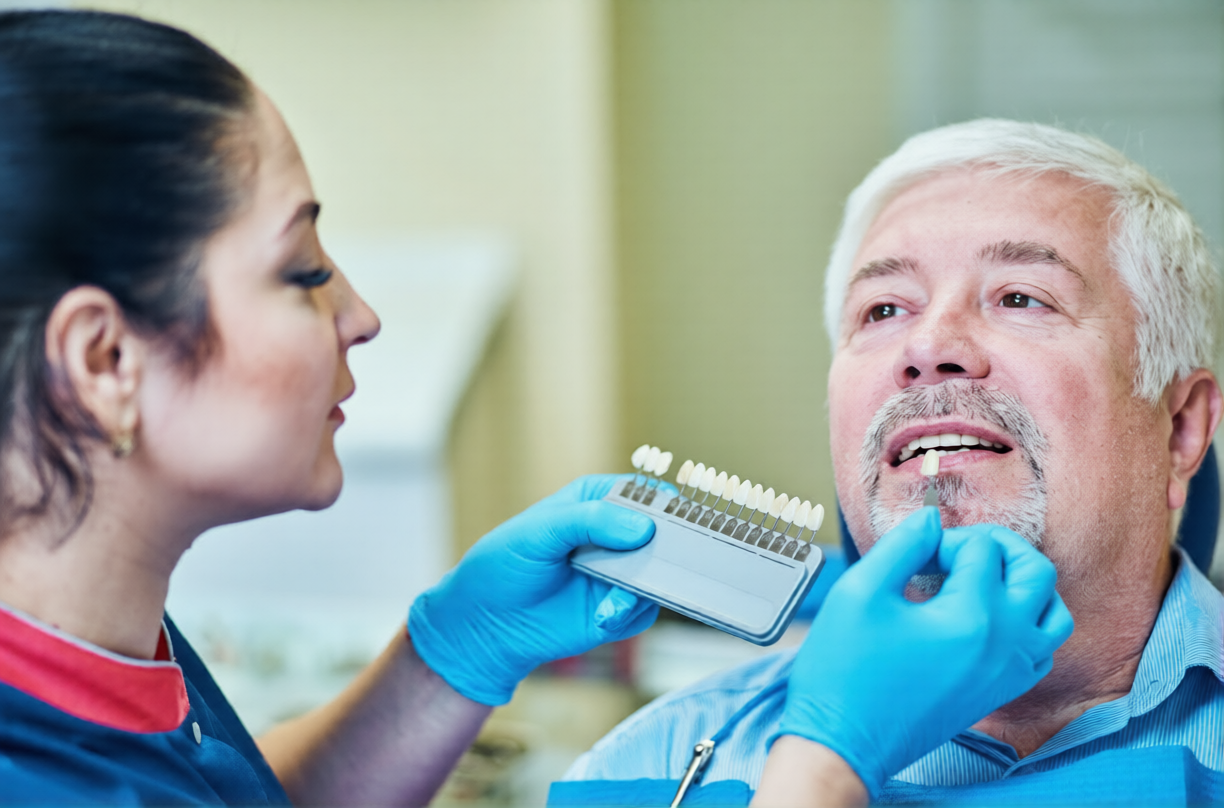
When you visit your dentist with a damaged veneer, they will conduct a thorough assessment. The examination includes assessing the extent and location of the damage and evaluating the condition of the underlying tooth structure. Your dentist will also assess the status of the bonding adhesive, observe your bite patterns, and review your overall oral health to identify contributing factors.
The diagnostic process may involve a detailed visual examination to identify cracks, chips, or separation from the tooth surface. X-rays may be recommended to assess the underlying tooth and surrounding structures if needed for a complete evaluation. Your dentist will also examine your other veneers for signs of wear and discuss potential causes with you to help prevent future damage.
Minor Chip or Crack: Possible Treatment Options
Minor chips or cracks in veneers may be restored rather than replaced. Small edge chips, shallow surface cracks, or minor composite veneer defects can be managed conservatively. Your dentist will assess the location and extent of the damage, as well as the veneer material, to determine whether restoration is a suitable option.
Several treatment options may be available depending on your specific situation and the nature of the damage. Dental contouring can smooth and polish minor irregularities, while composite bonding may address small chips in certain cases. However, porcelain veneers require replacement if fractured, as this material cannot be restored once cracked. Refinished areas may appear slightly different from the original veneer and could be more susceptible to future damage.
Significant Damage: When Replacement Is Needed
When a veneer sustains large cracks, multiple chips, or debonds with damage to the underlying tooth, replacement may be necessary. Compromised structural integrity can affect the restoration’s function and appearance. Your dentist will assess the extent of damage to determine whether replacement is the most appropriate option for your needs.
The replacement process involves removing the damaged veneer and thoroughly examining the underlying tooth structure. Impressions are then taken to create a new veneer that matches your dental anatomy and aesthetic preferences. Temporary cover may be provided while your final veneer is fabricated to protect your tooth throughout treatment.
Material Considerations
When a veneer requires replacement, understanding the available material options helps inform your discussion with your dentist about what may suit your circumstances. Different veneer materials offer distinct characteristics in durability, aesthetics, and cost.
Choosing Veneer Material for Replacement
Porcelain advantages
Porcelain veneers may offer certain characteristics that some patients consider when selecting replacement materials for damaged restorations. These ceramic shells resist staining and may reflect light in a way that appears natural. Research suggests porcelain veneers may last between 10 and 20 years with appropriate care, though individual results vary. However, porcelain veneers cannot be restored if fractured, so replacement may be necessary even for minor damage.
Composite advantages
Composite resin veneers require a lower initial investment than porcelain alternatives. If minor damage occurs, composite veneers may sometimes be restored rather than fully replaced. The placement procedure can often be completed in a single dental visit. However, composite veneers typically need replacement within 5-10 years with proper maintenance.
Individual considerations
Your dentist will consider several factors when discussing veneer material options that may suit your circumstances. Teeth-grinding or clenching patterns can influence which material is most appropriate for your situation. Budget considerations include initial treatment costs and potential long-term replacement expenses, which vary by material.
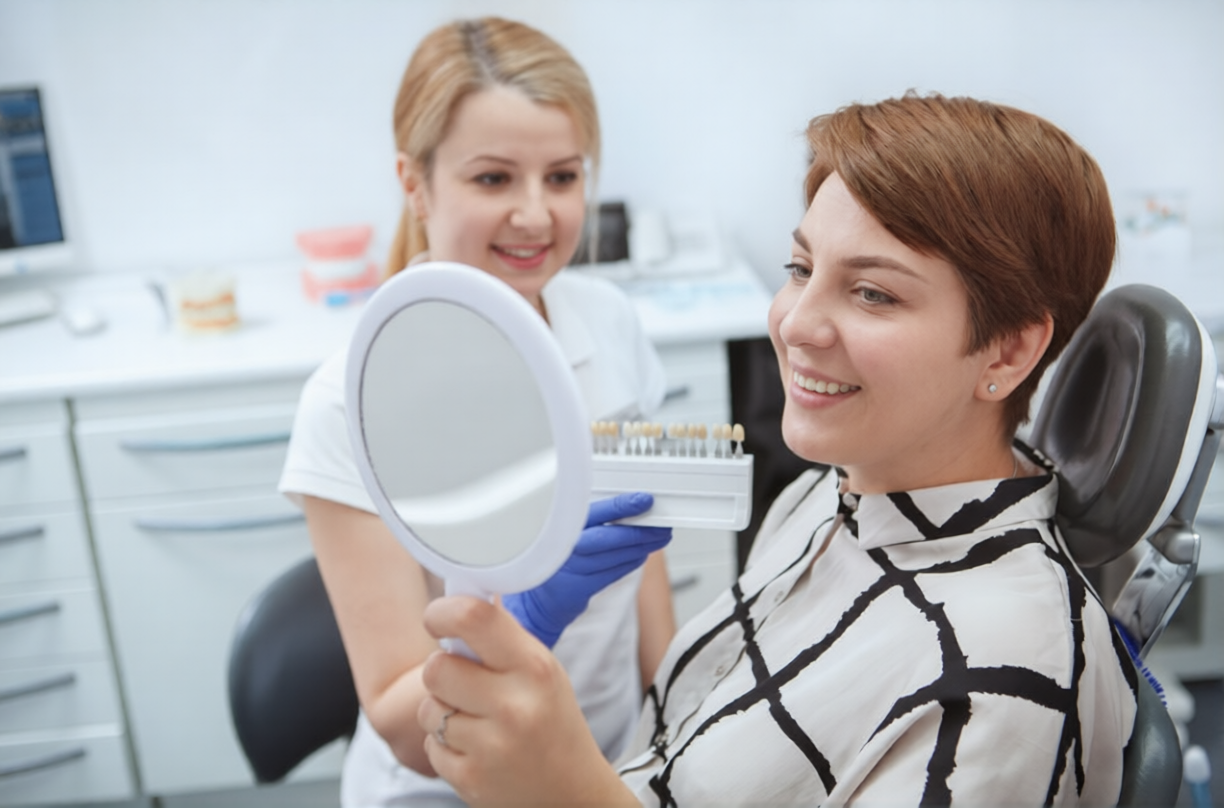
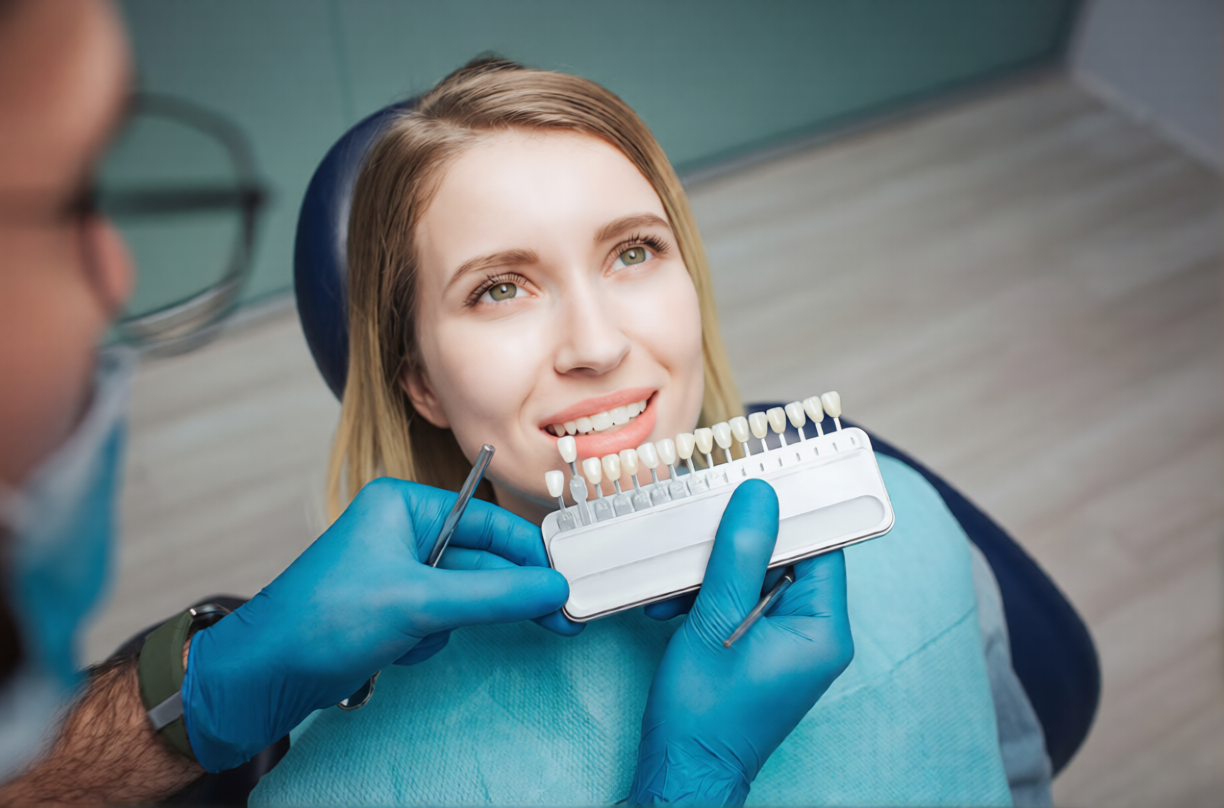
Your aesthetic goals and expectations will inform the discussion of which veneer type meets your needs. The level of maintenance you’re comfortable with can also factor into material selection decisions. Your dentist can provide personalised guidance based on your oral health status, lifestyle factors, and treatment preferences.
Maintaining Your Veneers for Optimal Longevity
Proper care and maintenance can help maximise the functional life of your dental veneers. While individual results vary, adopting protective habits and maintaining consistent oral hygiene may reduce the risk of premature damage or replacement.
Understanding Veneer Lifespan
Dental veneers are designed to be long-term restorations, but they require replacement over time. Porcelain veneers usually last 10-20 years, while composite veneers generally require replacement within 5-10 years. The actual lifespan of your veneers can vary based on factors such as material selection, oral hygiene, protective measures, and individual wear patterns.
Daily and Regular Maintenance
Maintaining veneers requires a consistent oral hygiene routine that includes brushing twice daily with a soft-bristled toothbrush and daily flossing. Protective measures, such as custom nightguards for bruxism and sports mouthguards, may help reduce the risk of veneer damage. Regular dental checkups every six months allow your dentist to monitor your oral health and address any concerns promptly.
When to Contact Your Dentist
Contact your dentist if you notice visible chips, cracks, discolouration, sensitivity, rough edges, or looseness in your veneered tooth. Gum recession around the veneer or changes in your bite alignment may also indicate the need for a professional assessment. Your dentist can evaluate the extent of any damage and discuss appropriate management options based on your circumstances.
Final Thoughts
Understanding how veneers respond to staining helps you set realistic expectations about your cosmetic dental care. Porcelain veneers offer strong resistance to discolouration, maintaining their colour well with proper care, whilst composite veneers may show changes more readily but can still provide years of satisfactory appearance. The main causes of discolouration—surface staining, margin degradation, and underlying tooth changes—each have different implications for treatment and prevention.
With appropriate care habits, regular professional maintenance, and reasonable dietary moderation, many people maintain an acceptable veneer appearance for many years. The specific maintenance your veneers require depends on material type, your lifestyle habits, and individual oral health factors that your dentist can help you understand.
If you’re wondering, “Do veneers discolour?” or have concerns about changes you’ve noticed in your existing veneers, a professional assessment provides personalised answers. At Willeri Dental Parkwood, our team can evaluate your veneers, explain what’s causing any appearance changes, and discuss options suited to your circumstances. Contact us to arrange a consultation where we can address your specific questions about veneer care and longevity.