If you’re planning porcelain veneers, you’ve probably wondered when to whiten your teeth. It’s one of the most common questions we hear during cosmetic dentistry consultations at our Parkwood clinic. The answer matters more than you might think, and it comes down to one key difference between these treatments. Porcelain veneers are set to a long-term shade once they’re crafted and placed on your teeth.
Natural teeth, on the other hand, can be whitened multiple times over time as needed. This means the sequence you choose can significantly affect your long-term satisfaction with your smile. Teeth whitening before veneers is recommended; we’ll explain why in this guide. Your treatment timing influences how well everything matches and how your smile looks years down the track.
Individual treatment needs vary depending on your specific goals, current tooth shade, and overall dental health. There’s no one-size-fits-all answer, which is why a comprehensive consultation is important for cosmetic smile treatments. Working with an experienced dentist helps you understand treatment sequencing and timing. Taking the time to plan properly now can help you avoid disappointment or additional costs later on.
Summary of the Content:
- Treatment sequence matters for your final result. Porcelain veneers maintain their colour over time, whereas natural teeth can be whitened multiple times.
- Veneers are custom-made porcelain shells. They’re bonded to the front surface of teeth, and the shade is selected before fabrication begins.
- Whitening works only on natural tooth enamel. Bleaching agents penetrate porous enamel but do not penetrate non-porous porcelain restorations.
- The recommended sequence is to whiten first, then apply veneers. A two-week stabilisation period between treatments enables accurate colour matching.
- Several individual factors influence your treatment timing. These include current tooth shade, existing dental work, sensitivity levels, and your personal goals.
- Perth’s lifestyle may affect whitening maintenance needs. Coffee culture and wine consumption can accelerate staining on natural teeth over time.
- Ongoing care differs between whitened teeth and veneers. Touch-up whitening may be needed periodically, while veneers require protection from hard foods and grinding.
Why Treatment Sequence Matters for Cosmetic Dentistry
When combining cosmetic dental treatments, the order in which they are performed can significantly affect the final results. Understanding why teeth whitening before veneers is recommended helps you make well-considered choices about your cosmetic smile treatment. Here’s what you need to know about how these treatments interact:
- Porcelain veneers maintain a stable shade:
Once your veneers are fabricated and bonded to your teeth, their colour is set. Unlike natural enamel, porcelain cannot be lightened or darkened after placement. This is because dental porcelain is non-porous, meaning whitening agents cannot penetrate its surface. - Natural teeth respond to whitening differently:
Your natural tooth enamel is porous, allowing whitening agents such as hydrogen peroxide to break down stain molecules within the tooth structure. This means you can whiten your natural teeth multiple times when needed. Veneers, however, will remain the exact shade they were when first placed. - Treatment timing affects long-term colour matching:
If you whiten your teeth after getting veneers, only your natural teeth will lighten, while your veneers will remain the same shade. This can create an uneven, mismatched appearance that may only be adjusted by replacing the veneers entirely. Planning your veneer treatment sequence can help you avoid this outcome. - cosmetic treatments interact in specific ways:
Veneers, crowns, fillings, and bonding all respond differently to whitening products than natural enamel does. A comprehensive treatment plan considers how each element of your smile will work together over time. Professional guidance can help maintain a consistent appearance across all your dental work. - Professional planning helps avoid unexpected results:
Your dentist will assess your situation and recommend the most appropriate treatment sequence to achieve your goals. Factors such as your current tooth shade, existing dental work, and desired outcome influence this recommendation. Taking time to plan results in long-term satisfaction with your smile.
The interaction between whitening and veneers is just one example of why comprehensive cosmetic consultations are so valuable. Your dental team can help you understand how different treatments work together and develop a personalised plan that takes your unique circumstances into account.
Understanding Porcelain Veneers and How They Work
Porcelain veneers are one of the most versatile options in cosmetic dentistry, but they work quite differently from other treatments. Before deciding on timing for whitening, it helps to understand exactly what veneers are and how they’re placed. Let’s break down the key aspects of this popular cosmetic option.
- Veneers are custom-made shells bonded to your teeth. These thin coverings, typically measuring 0.5-0.7 millimetres thick, are crafted from dental-grade porcelain. They’re bonded to the front surface of your teeth using special dental adhesives. The back of your teeth remains natural tooth structure, which is why treatment sequencing with whitening matters.
- They address multiple cosmetic concerns at once. Veneers can be used to improve the appearance of discoloured teeth that don’t respond well to whitening alone. They’re also designed to restore chipped or cracked teeth, close gaps between teeth, and address minor alignment issues. Many patients choose veneers to address multiple aesthetic concerns in a single treatment.
- Minimal tooth preparation is required. Your dentist removes a small amount of enamel from the front tooth surface to make room for the veneer. This preparation is necessary so the veneer sits flush with the surrounding teeth and doesn’t create a bulky appearance. The amount removed is approximately equal to the thickness of the veneer to be applied.
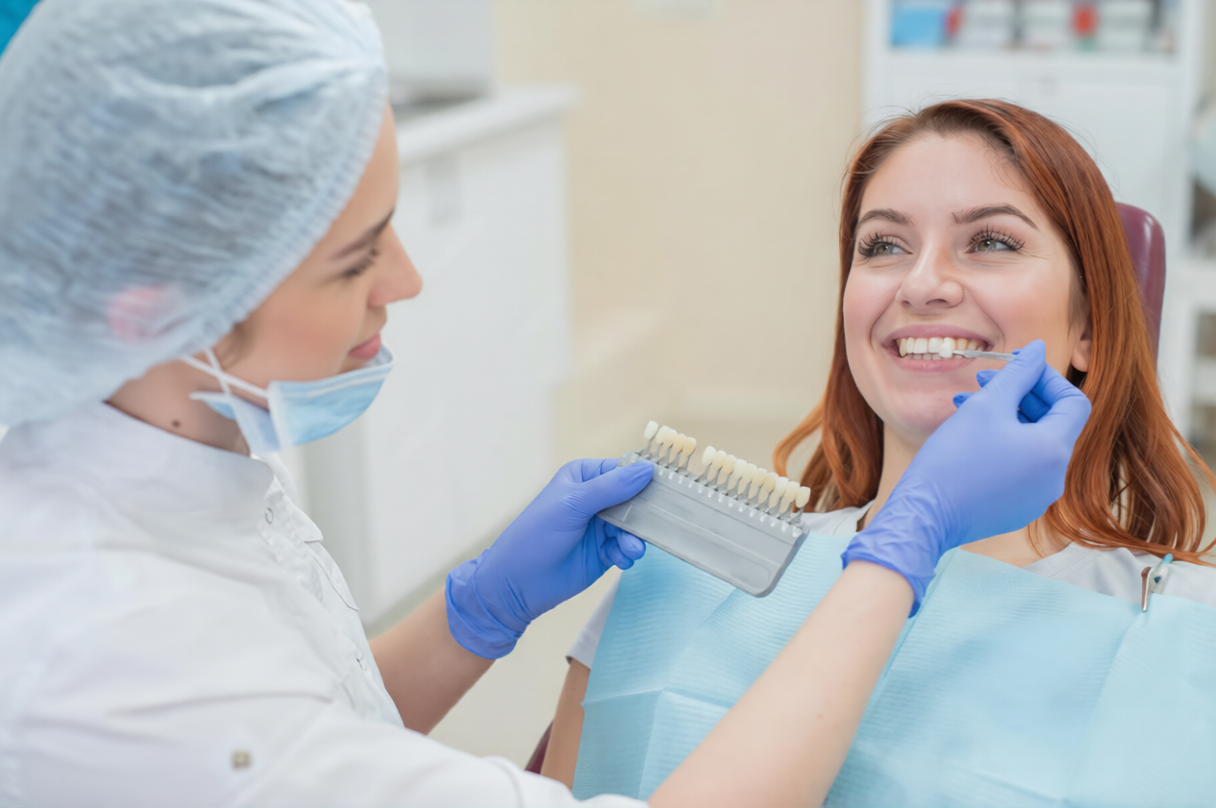
- Colour selection happens before your veneers are made. Working with your dentist, you’ll choose the desired shade for your veneers during the planning phase. Once selected and fabricated, this colour cannot be altered. This is fundamentally different from natural teeth, which can be whitened to lighter shades over time.
- The material offers aesthetic and functional properties. Dental porcelain is stain-resistant, durable, and capable of mimicking the natural translucency of tooth enamel. With proper care, veneers typically last 10-15 years, though individual results may vary based on oral habits and maintenance. This differs from dental crowns, which cover the entire tooth and are often used for structural support rather than purely cosmetic purposes.
Understanding these fundamental aspects of porcelain veneers helps explain why treatment sequencing with whitening is a key consideration. Your dentist can provide more detailed information about how veneers might work for your specific situation during a consultation.
The Science Behind Teeth Whitening
To understand why whitening should come before veneers, you need to know how whitening actually works. The chemistry behind teeth whitening explains why it only affects natural teeth and not dental restorations.
- Whitening agents break down stain molecules in enamel:
Products containing carbamide peroxide or hydrogen peroxide penetrate the porous structure of natural tooth enamel. These agents break down chromogens, the coloured compounds responsible for tooth discolouration. This chemical process only works on natural tooth structure. - Dental restorations don’t respond to whitening:
Porcelain veneers, crowns, fillings, and bonding are made from non-porous materials that whitening agents cannot penetrate. This means if you whiten after getting veneers, only your natural teeth will lighten. Your veneers will remain their original shade, creating a mismatched appearance. - Different stains require different approaches:
Surface stains from coffee, tea, and wine respond well to whitening treatments. Deeper, intrinsic stains caused by medications or trauma may need more intensive treatment or alternative options. Results vary based on individual tooth structure and the type of staining present. - Professional and take-home options offer different timelines:
In-chair whitening uses stronger concentrations and may achieve results in a single appointment. Take-home kits with custom trays use lower concentrations applied over several days or weeks. Both methods can be effective, though some patients may experience temporary tooth sensitivity during treatment. - Whitening results are temporary and require maintenance:
Teeth naturally accumulate new stains over time from food, drinks, and lifestyle habits. Results typically last one to three years, depending on your oral care routine and dietary choices. Touch-up treatments may be needed to maintain your desired shade.
Understanding these scientific principles helps explain why pre-veneer whitening is recommended. Your dentist can assess your situation and recommend the most appropriate whitening approach for your needs. When choosing a clinic for teeth whitening in Perth, it’s important to check that the dentist is registered and uses TGA-compliant products.
The Recommended Treatment Sequence
Following the right steps in the right order can help achieve a cohesive, natural look for your cosmetic dental work. Here’s the recommended treatment sequence for combining whitening with veneers.
- Initial consultation and comprehensive smile design planning:
Your dentist will assess your current dental condition, discuss your aesthetic goals, and evaluate which teeth need veneers. Digital smile design technology may be used to preview potential outcomes. This planning phase helps determine the most suitable approach for your situation. - Complete any necessary dental health treatments first:
Issues like cavities, gum disease, or other oral health concerns are addressed before cosmetic work begins. This creates a stable, healthy foundation for your veneers. A stable foundation of dental health supports more consistent outcomes from cosmetic treatments. - Professional teeth whitening to your desired shade:
This step establishes the baseline colour for your entire smile. Your natural teeth are lightened to the desired shade. This allows your veneers to be matched to this brighter colour later. Teeth whitening in Perth is suitable for most adults, but your dentist will assess your enamel and gum health before recommending a treatment plan. - Wait through a two-week stabilisation period:
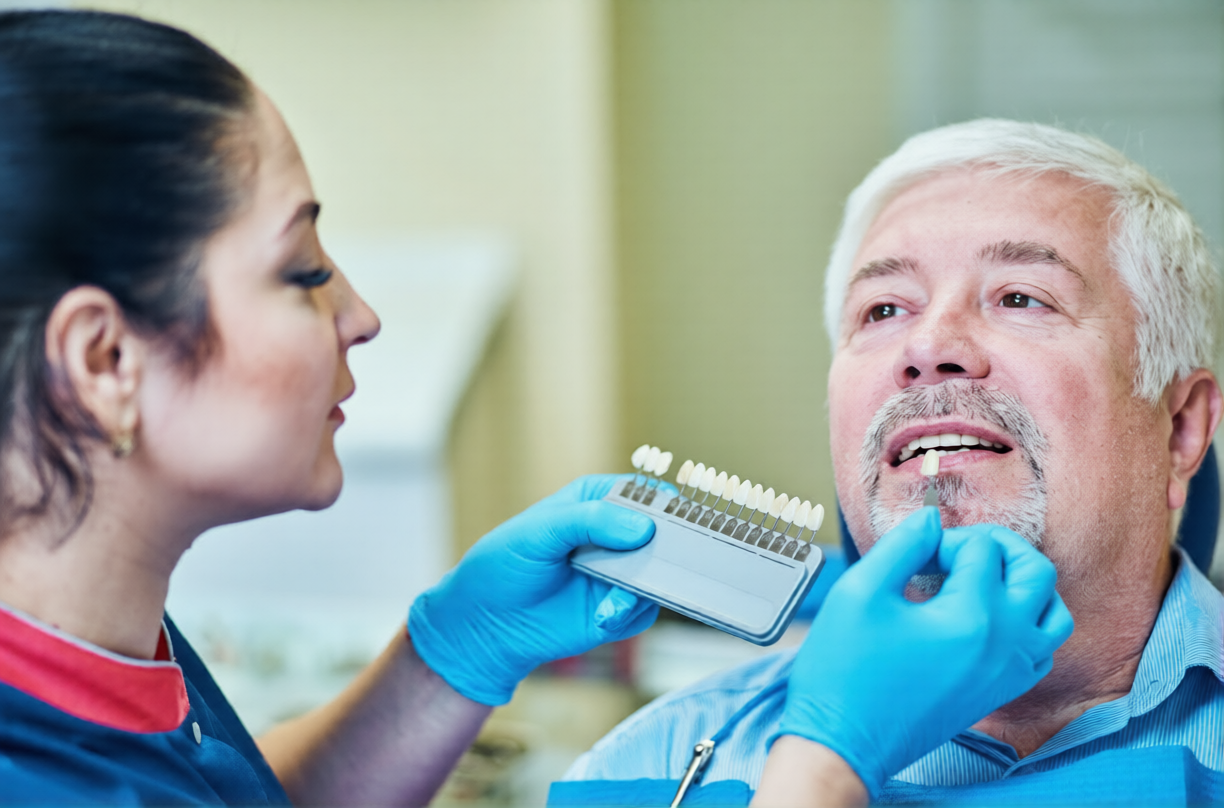
This waiting time allows your teeth to rehydrate after the whitening process and your tooth colour to settle. It also gives any temporary sensitivity time to subside. Accurate colour matching depends on your teeth reaching their stable post-whitening shade. - Veneer colour selection matched to your whitened teeth:
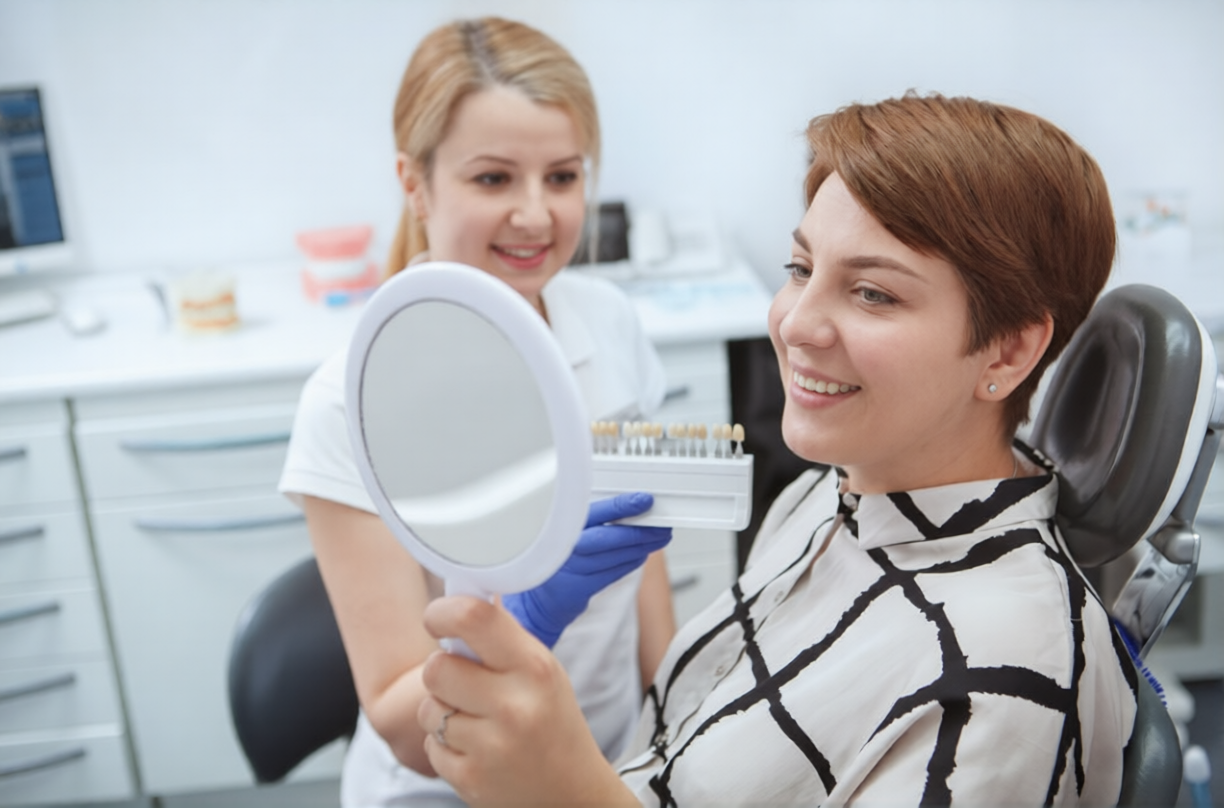
Working with your dentist, you’ll choose the veneer shade that complements your now-whitened natural teeth. This creates a seamless blend between veneers and natural tooth structure. The goal is a uniform appearance across your entire smile. - Veneer preparation and placement appointment:
A small amount of enamel is removed from the front tooth surfaces to accommodate the veneers. Temporary veneers may be placed while your custom veneers are being fabricated at the dental laboratory. Once ready, your veneers are bonded to your prepared teeth. - Final adjustments and bite assessment:
Your dentist checks that your veneers fit properly and your bite feels comfortable. Minor adjustments can be made to achieve optimal function and appearance. This final step gives you the opportunity to review the look and feel of your new smile and raise any questions with your dentist.
Alternative scenarios require different approaches. If you already have veneers and want a brighter smile, whitening your natural teeth may create a mismatch that can only be adjusted by replacing the veneers. Complex cosmetic smile treatments involving multiple procedures may require adjusted timing to coordinate the procedures.
Some patients may not be suitable candidates for whitening due to tooth sensitivity or existing dental conditions. Individual circumstances may require different approaches, which is why personalised treatment planning is important. Before undergoing the dental veneer procedure in Perth, it’s important to consult with a qualified dentist to discuss your goals.
Factors That Influence Treatment Timing
The timing of your whitening and veneer treatments depends on several individual factors. Your dentist will assess your specific circumstances to develop a treatment plan aligned with your goals and situation. Understanding these factors can help you have a more informed discussion during your consultation.
- Current Tooth Shade and Goals:
The difference between your natural tooth colour and your desired shade affects how many whitening sessions you may need before veneers. More dramatic colour changes require additional whitening treatments to achieve the target shade. - Type and Severity of Discolouration:
Different types of staining respond differently to whitening treatments. Surface stains from coffee or tea generally lighten more readily than intrinsic discolouration from medications or trauma. - Extent of Your Smile Treatment:
Whether you’re addressing a single tooth or transforming your entire smile influences the treatment sequence. Cosmetic smile treatments require more comprehensive planning to confirm that all visible teeth are accounted for in the final result. - Existing Dental Restorations:
Any current fillings, crowns, or other dental work on visible teeth may need replacement after whitening. These restorations won’t change colour with whitening treatments, so matching them to your new shade becomes part of the planning process. - Tooth Sensitivity Levels:
Some people experience more sensitivity during whitening treatments than others. If you have sensitive teeth, your dentist may recommend a modified treatment approach or adjust the timing between procedures. - Timeline and Special Occasions:
If you’re planning treatment around a specific event, the timing may need to be adjusted to fit your schedule. Your dentist can work with you to develop a treatment timeline that aligns with your goals and preferred timeframe, where clinically appropriate. - Budget and Treatment Priorities:
The cost of combining whitening and veneers can be managed through phased treatment approaches. Discussing your budget openly with your dentist helps create a plan that prioritises the treatments most important to you.
Individual circumstances vary widely, so a thorough consultation is essential to plan your treatment sequence. Your dentist will consider all these factors together to recommend the approach most likely to achieve your desired outcome. Working collaboratively with your dental team helps tailor your treatment plan to your needs.
Special Considerations for Perth Patients
Living in Perth presents unique factors that can influence your cosmetic dental treatment planning. The local climate and lifestyle may affect how your teeth respond to whitening and how long your results last. Understanding these Perth-specific considerations helps you make well-considered decisions about your treatment timing and maintenance.
- Perth’s Sunny Climate:
High UV exposure and an outdoor lifestyle can accelerate tooth discolouration. Sun exposure doesn’t directly stain teeth, but the lifestyle habits associated with sunny weather—such as increased consumption of iced coffee and cold drinks—may affect staining patterns. - Strong Coffee Culture:
Perth’s café culture means many locals drink coffee regularly, which can affect whitening longevity. If coffee is part of your daily routine, you may need more frequent touch-up whitening treatments to maintain your desired shade alongside veneers. - Wine Region Proximity:
Western Australia’s wine regions mean wine consumption is common among Perth residents. Red wine is a significant contributor to tooth staining, which is worth considering when planning your whitening maintenance schedule. - Access to Advanced Technology:
Perth dentists increasingly use digital smile design technology and modern veneer techniques. When choosing a dentist, ask about the technology and methods they use for treatment planning and veneer fabrication. - Importance of Experience:
Look for a dentist with specific training and experience in both whitening and veneer placement. Choosing an experienced dentist can support a properly planned veneer treatment sequence. - Comprehensive Consultation Approach:
Your dentist should take time to understand your goals and explain the full treatment process. Clear communication about the recommended sequence, expected timeline, and realistic outcomes is essential for your satisfaction with the final result. - Transparency About Limitations:
A dentist will be upfront about what can and cannot be achieved with your particular case. They should discuss any limitations, alternative approaches, and the ongoing maintenance required to sustain your results over time.
Perth’s lifestyle and climate require a slightly different approach to planning your cosmetic dental treatment compared with other locations. Finding a dentist who understands these local factors and takes a thorough, honest approach to treatment planning can make a significant difference. Individual results and maintenance needs will vary based on your specific habits and oral health circumstances. With advances in modern dentistry, the dental veneer procedure in Perth is a popular option among patients considering cosmetic treatments.
Maintaining Your Results: Whitened Teeth and Veneers
Once you’ve completed your whitening and veneer treatments, ongoing maintenance helps protect your dental investment. The care requirements differ slightly between your natural whitened teeth and your porcelain veneers. Understanding these maintenance needs helps you plan for the long-term care of your smile.
- Whitening Touch-Ups:
Your natural teeth may require touch-up whitening every one to two years, depending on your lifestyle habits. The frequency of touch-ups varies considerably based on factors such as diet, oral hygiene, and smoking status. - Daily Oral Hygiene:
Both whitened teeth and veneers benefit from consistent brushing twice daily and regular flossing. Good oral hygiene helps prevent staining on natural teeth and keeps the gum tissue around veneers healthy. - Professional Dental Cleaning:
Regular six-monthly dental checkups and professional cleaning are essential for maintaining the appearance of whitened teeth and veneers. These appointments allow your dentist to monitor the condition of your veneers and address any early signs of staining on natural teeth. - Protecting Your Veneers:
Avoid using your teeth to open packages or bite down on hard objects, as veneers can chip despite being durable. If you grind your teeth at night, a custom nightguard may be recommended to protect your natural teeth and veneers. - Dietary Considerations:
Coffee, tea, and red wine can stain natural teeth more quickly, potentially creating a colour difference with your veneers over time. You don’t need to avoid these foods and drinks entirely. Being mindful of how often you consume them and rinsing with water afterwards can help. - Avoiding Hard Foods:
While veneers are strong, biting directly into very hard foods like ice, hard lollies, or nuts can increase the risk of chipping. Your dentist can advise you on which foods to approach carefully, based on your veneer placement. - Smoking Cessation:
Smoking significantly accelerates staining on natural teeth and can affect gum health around veneers. If you smoke, cessation can substantially improve how long your whitening results last. - Keeping Shades Matched:
Your veneers will maintain their original shade consistently, while natural teeth may gradually discolour. Touch-up whitening on your natural teeth, as needed, helps keep the overall appearance uniform across your smile.
Individual maintenance requirements vary based on your specific circumstances and habits. Your dentist will provide personalised guidance on the care routine that suits your situation. With proper maintenance, your whitened teeth and veneers can remain natural-looking for years.
Making the Right Decision for Your Smile
Deciding whether to whiten before veneers is a clinically appropriate decision made in consultation with your dentist after a thorough evaluation. Your goals, current tooth condition, and lifestyle factors all play a role in determining the most suitable approach for you. Working with your dental team to develop the right plan helps align your treatment with your expectations and circumstances.
Taking time to plan your treatment properly is a worthwhile investment in your long-term satisfaction with the results. Informed patients who understand their options are better prepared to make appropriate treatment decisions. Your dentist welcomes questions during your consultation, so don’t hesitate to ask about anything you’re unsure of. The goal is for you to feel comfortable and well-informed before moving forward with any cosmetic dental treatment.
Final Thoughts
Teeth whitening before veneers is recommended, as the veneer colour is final once they’re placed. Natural teeth can be whitened multiple times, but porcelain veneers maintain their original shade. This treatment order allows your veneers to be matched to your chosen shade from the start. Professional guidance is essential because every smile is unique, and your treatment sequence affects your long-term satisfaction with the results.
If you’re considering veneers and wondering about the right timing for treatment, we invite you to book a consultation. Our Parkwood dental clinic is conveniently located, and we’re happy to answer any questions you have about your smile goals. Individual results and treatment needs vary, so a personalised assessment helps determine what approach may work for you. Any surgical or invasive procedure carries risks, so before proceeding, you should seek a second opinion from an appropriately qualified dental practitioner.